Ethiopian Dress in Canada: Culture, Style & Where to Find It
From habesha kemis to embroidered tibeb borders, discover the beauty of Ethiopian traditional dress in Canada and where to find authentic pieces.
Illustration
Quick Answer: Ethiopian Dress in Canada
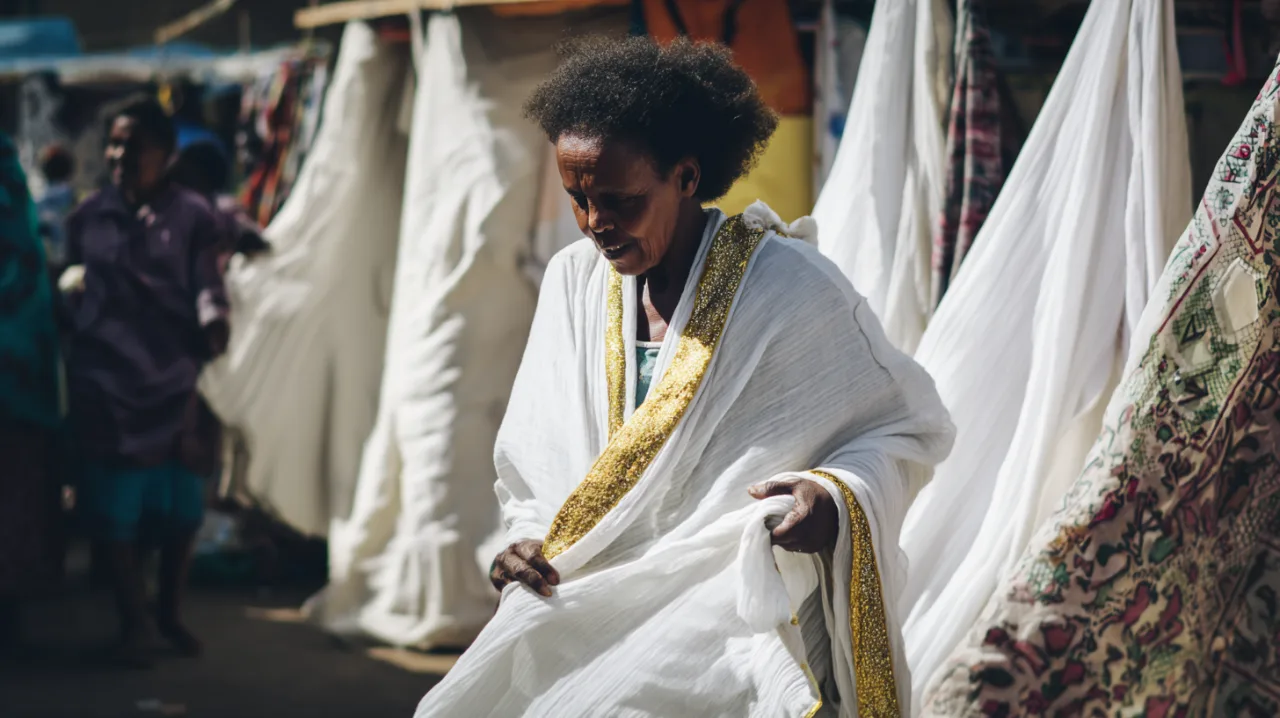
- The habesha kemis is the most recognized Ethiopian traditional dress — a hand-woven white cotton garment adorned with colorful embroidered borders called tibeb.
- Canada's Ethiopian diaspora is concentrated in Toronto, Ottawa, Edmonton, and Vancouver, where traditional dress is worn at cultural festivals, weddings, and Orthodox Christian holidays.
- Authentic Ethiopian garments can be found through diaspora-owned boutiques, online shops, and community markets in major Canadian cities.
- Colors and patterns in Ethiopian dress carry regional and ceremonial significance, varying by ethnicity, occasion, and family tradition.
- Ethiopian fashion and cuisine share the same soul — both are communal, handcrafted, and rooted in deep hospitality.
- A new fusion aesthetic is emerging as Canadian-born Ethiopians blend traditional dress elements with contemporary style.
Thousands of Miles from Addis Ababa
Thousands of miles from Addis Ababa, the vibrant colors of Ethiopian traditional dress are finding a passionate new home across Canada. On a Saturday afternoon in Toronto's Little Ethiopia neighborhood, you might spot a grandmother in a flowing white habesha kemis trimmed with gold and green embroidery, walking alongside her granddaughter in a modern blazer cut from the same hand-woven cotton. This is what living culture looks like — not frozen in time, but breathing, adapting, and flourishing. Ethiopian dress in Canada is more than a costume; it is a declaration of identity worn with extraordinary pride.
For food lovers and culture enthusiasts who have fallen in love with Ethiopian cuisine, understanding the clothing tradition opens an entirely new dimension of appreciation. The same hands that weave intricate patterns into fabric also roll injera, grind berbere spice, and slow-cook doro wat for hours. Both the dress and the dinner table are expressions of the same deeply held values: craftsmanship, community, and the art of making something beautiful for the people you love.
The Habesha Kemis: Ethiopia's Most Iconic Garment
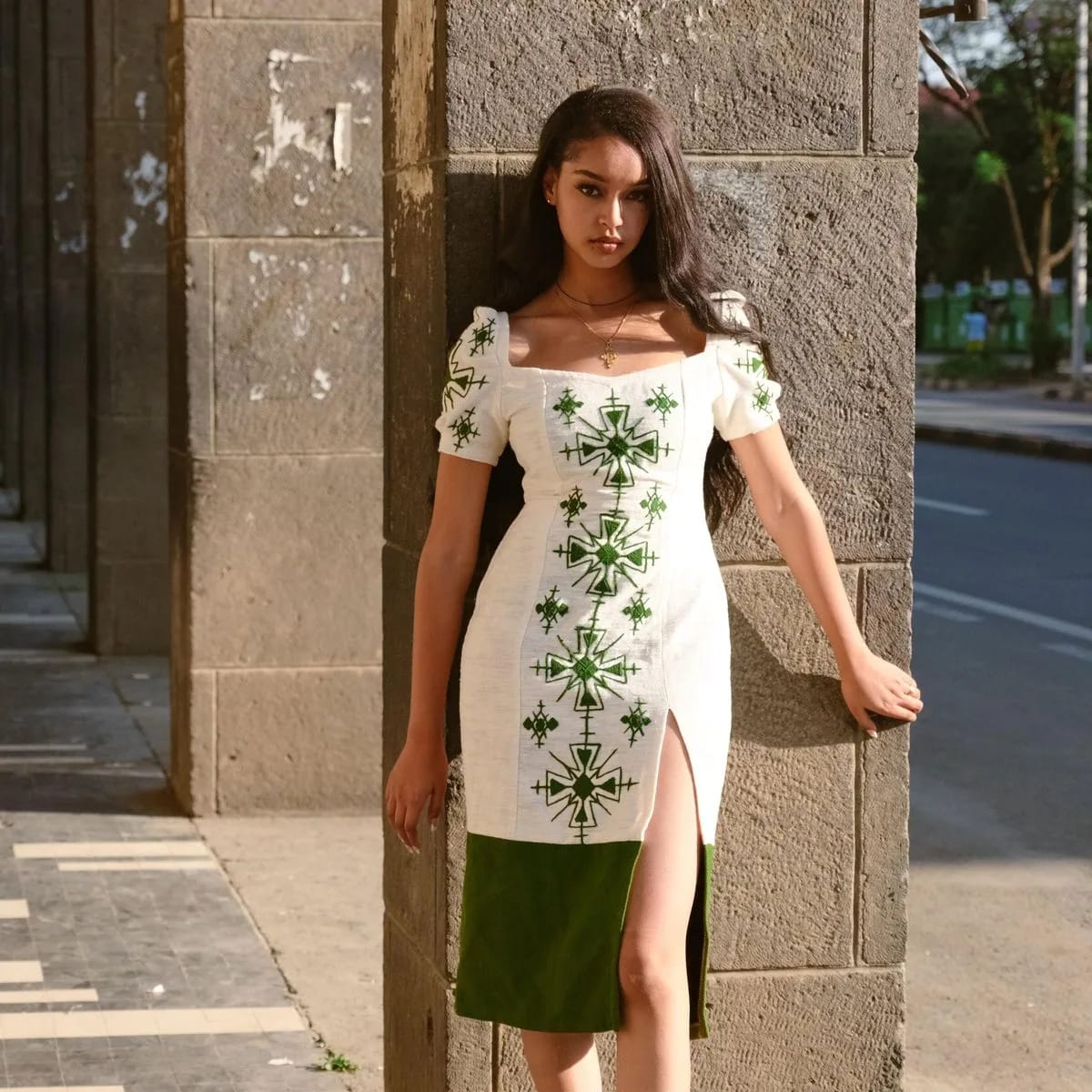
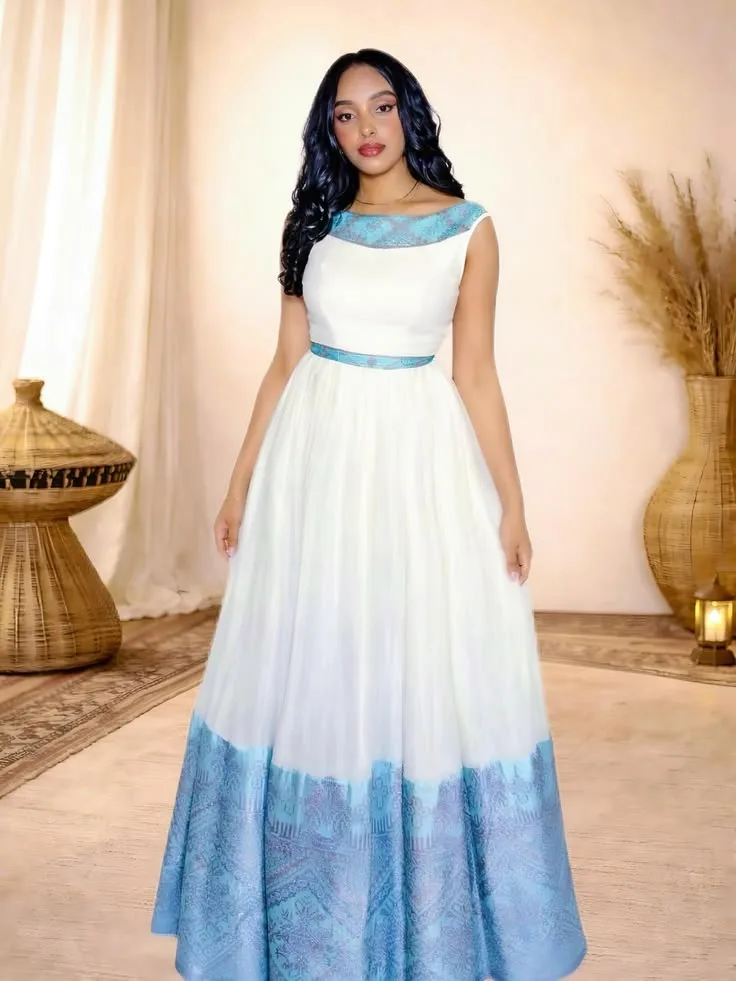
The habesha kemis is the cornerstone of Ethiopian traditional dress. It is a long, flowing dress made from habesha libs — a hand-woven cotton fabric produced on traditional wooden looms, often by artisans who have inherited the craft across generations. The fabric is typically white or off-white, a color associated with purity, celebration, and spiritual devotion in Ethiopian culture. What transforms a simple white dress into a work of art is the tibeb: the richly colored, geometrically patterned embroidered border that runs along the hem, neckline, and cuffs.
The tibeb is not merely decorative. Its colors, patterns, and placement communicate information about the wearer's regional background, ethnicity, religious affiliation, and the occasion being celebrated. A dress worn to an Orthodox Christian Easter celebration (known as Fasika) might feature crosses and sacred geometric motifs, while a wedding garment could incorporate gold thread and more elaborate multi-colored patterns. For the Habesha people — a term that broadly encompasses the Amhara and Tigrinya ethnic groups — the kemis is a living archive of cultural memory stitched into every border.
Regional Variations and the Diversity of Ethiopian Dress
Ethiopia is one of Africa's most ethnically diverse nations, home to over 80 distinct ethnic groups, and its traditional clothing reflects that extraordinary variety. The Oromo people, Ethiopia's largest ethnic group, have their own distinct dress traditions, including the wandabo and garments featuring bold use of red and white. The Dorze people of southern Ethiopia are renowned for their exceptional weaving skills, producing thick, durable cotton cloth that is prized across the country. In the Tigray region, women's dresses often feature particularly elaborate tibeb embroidery with striking geometric precision.
This diversity is beautifully on display within Canada's Ethiopian communities. At major cultural events like Ethiopian New Year (Enkutatash, celebrated in September) or during the festival of Timkat (Ethiopian Epiphany in January), attendees may wear garments representing half a dozen different regional traditions. For anyone attending such an event, it is a stunning visual education in the breadth of Ethiopian cultural heritage.
Ethiopian Dress in Canada: A Diaspora Community Keeping Traditions Alive
Canada is home to one of the largest Ethiopian diaspora communities outside Africa. According to Statistics Canada, there are approximately 50,000 to 60,000 Ethiopians living in Canada, with the largest concentrations in Toronto, Ottawa, Edmonton, Calgary, and Vancouver. This community has built a rich cultural infrastructure — Ethiopian Orthodox churches, community associations, cultural festivals, and restaurants — that serves as the backbone for preserving traditions including traditional dress.
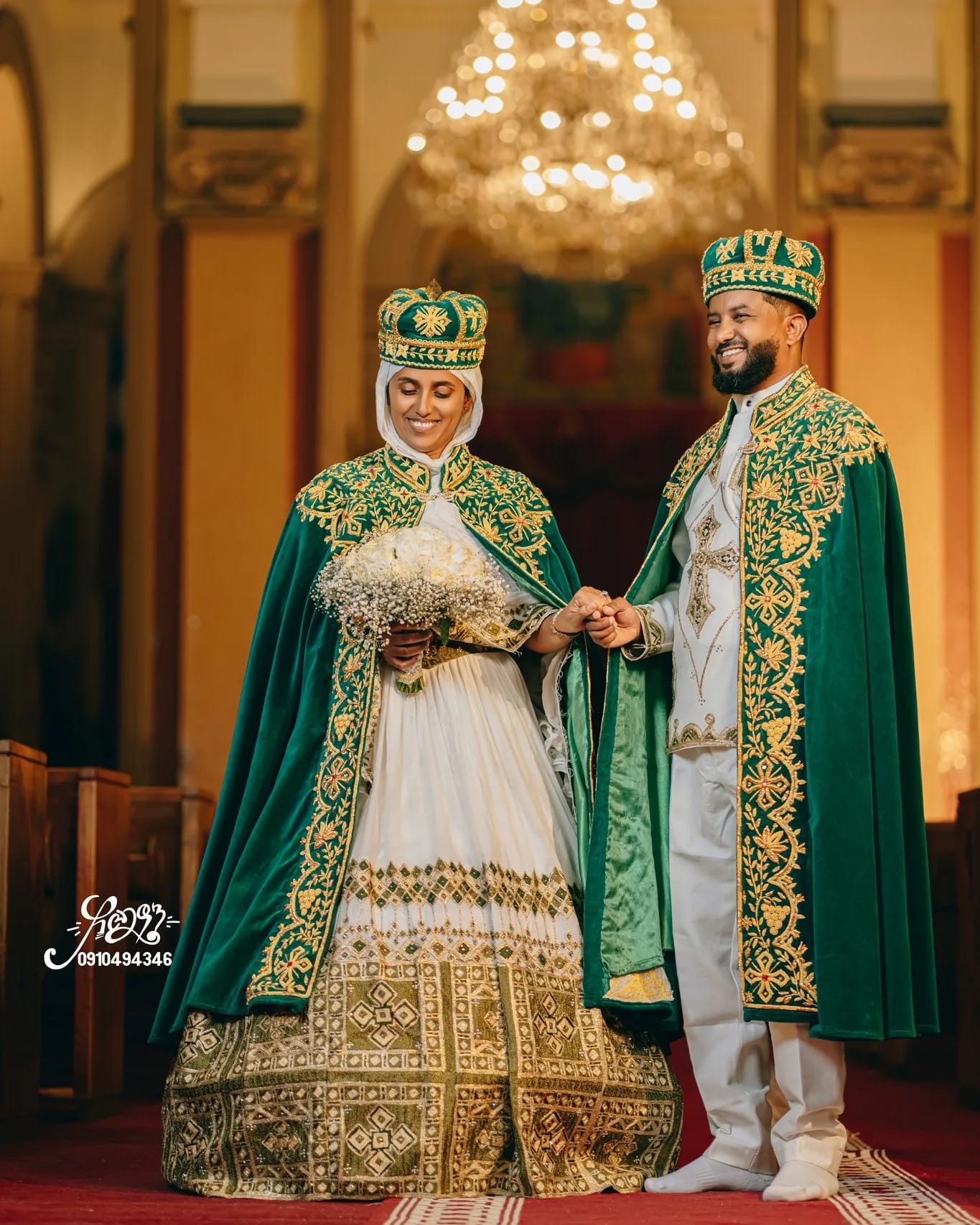
Ethiopian dress in Canada appears most visibly at key cultural and religious milestones. Ethiopian Orthodox Christians, who follow the ancient Ge'ez liturgical calendar, celebrate holidays like Timkat, Genna (Ethiopian Christmas), and Fasika with particular solemnity and joy. Women and girls dress in their finest habesha kemis for church services, and the sight of a congregation in white and gold flowing garments is both spiritually moving and visually spectacular. Weddings are another major occasion, where brides may wear multiple outfits across a multi-day celebration, each representing a different stage of the ceremony.
Cultural Festivals and Community Events
Beyond religious observances, Ethiopian cultural festivals have become important public celebrations of heritage in Canadian cities. Events like the Ethiopian Cultural Festival in Toronto and community gatherings organized by groups such as the Ethiopian Association in Toronto bring together thousands of attendees, many dressed in traditional garments. These festivals serve a dual purpose: they celebrate Ethiopian identity for the diaspora community and introduce the broader Canadian public to the richness of Ethiopian culture.
For young, Canadian-born Ethiopians, these events are often formative experiences — moments when they see their heritage reflected back to them with beauty and pride. Many describe the act of putting on a habesha kemis as a physical connection to a homeland they may have never visited, or left as very young children. The dress becomes a bridge between generations and between continents.
Where to Find Authentic Ethiopian Dress in Canada
Finding authentic Ethiopian dress in Canada has become considerably easier as the diaspora community has grown and as online commerce has expanded access to specialty goods. There are several reliable avenues for sourcing genuine, high-quality Ethiopian garments.
Specialty Boutiques and Diaspora-Owned Shops
In cities with significant Ethiopian populations, diaspora-owned clothing boutiques carry authentic habesha kemis, men's traditional kuta (a toga-like garment), and accessories like the traditional netela shawl. Toronto's Danforth Avenue area and parts of Ottawa have seen Ethiopian-owned businesses establish themselves as community anchors. These shops often import directly from artisans and cooperatives in Ethiopia, ensuring that the garments are genuinely hand-woven and that the purchase supports craftspeople in the country of origin.
Shopping at these boutiques is also a cultural experience in itself. Owners are typically deeply knowledgeable about the garments they sell and can explain the significance of different tibeb patterns, help you select an appropriate dress for a specific occasion, and share the stories behind the fabrics. This kind of expertise simply cannot be replicated by a generic online marketplace.
Online Shops and Marketplaces
For Canadians outside major urban centers, online shopping has opened access to Ethiopian traditional dress. A number of diaspora-owned e-commerce shops operate from Canada and the United States, shipping authentic habesha kemis and related garments across North America. Platforms like Etsy also host Ethiopian artisan sellers who ship internationally, offering hand-embroidered pieces directly from workshops in Addis Ababa and Gondar. When shopping online, it is worth looking for sellers who clearly describe their weaving and embroidery process, as machine-made imitations do exist and lack the cultural authenticity of hand-crafted pieces.
Community Facebook groups and WhatsApp networks within the Ethiopian diaspora are another underutilized resource. These informal networks frequently share information about pop-up sales, community market events, and trusted sellers — the kind of insider knowledge that no search engine can fully replicate.
Cultural Markets and Community Events
Many Ethiopian community associations in Canada organize periodic cultural markets, particularly around major holidays like Enkutatash (Ethiopian New Year in September) and Timkat. These markets are excellent places to find authentic garments, often sold directly by community members who import from Ethiopia or sew garments themselves. They also offer the opportunity to see the clothing in context, understand sizing and styling, and connect with the community behind the tradition.
The Philosophy Behind the Fabric: Dress, Food, and Ethiopian Hospitality
To truly understand Ethiopian traditional dress, it helps to understand the broader cultural philosophy from which it emerges. Ethiopian culture places extraordinary value on hospitality, communal gathering, and the idea that beauty is something to be shared, not hoarded. This philosophy is most visible at the Ethiopian dinner table, where food is served on a single large platter of injera and everyone eats together, reaching across the same shared surface. The same spirit infuses the tradition of dress.
Gifting a habesha kemis is a profound act of generosity and inclusion. At Ethiopian weddings, it is common for the bride's family to gift traditional garments to close relatives and honored guests. Wearing the dress is a way of saying: you belong to this community, you are part of this story. The embroidered tibeb borders that adorn the garment are made by hand, stitch by stitch, in the same patient, loving way that a grandmother might spend hours grinding spices for a special meal. Both acts — weaving and cooking — are forms of devotion.
For food enthusiasts who have discovered the extraordinary depth of Ethiopian cuisine — the sourdough complexity of injera, the slow-cooked richness of doro wat, the bright heat of berbere — the clothing tradition offers a parallel journey of discovery. Both the dress and the dish ask you to slow down, pay attention, and appreciate the skill and intention behind what has been made for you.
A New Generation: Fusion Fashion and Ethiopian-Canadian Identity
One of the most exciting developments in Ethiopian dress in Canada is the emergence of a fusion aesthetic among younger, Canadian-born Ethiopians. Designers and fashion-forward community members are finding creative ways to honor the habesha kemis tradition while incorporating contemporary silhouettes, modern color palettes, and Western styling influences. A traditional tibeb border might appear on a tailored blazer or a pair of wide-leg trousers. Hand-woven habesha fabric might be used to line a modern trench coat or form the bodice of a contemporary evening gown.
This creative hybridization is not a departure from tradition but an evolution of it — exactly the kind of living, breathing cultural expression that keeps heritage relevant across generations. Ethiopian fashion designers in cities like Toronto and Ottawa are gaining recognition not just within their own community but in broader Canadian fashion circles, bringing the beauty of tibeb embroidery and habesha weaving to new audiences. Social media platforms, particularly Instagram and TikTok, have amplified this fusion aesthetic, with Ethiopian-Canadian creators sharing styling videos and cultural education content that reaches audiences far beyond the diaspora.
For the broader Canadian public, this fusion fashion offers an accessible entry point into Ethiopian culture. You do not need to be Ethiopian to appreciate the artistry of a hand-embroidered tibeb border or to wear a piece that honors that tradition — but approaching it with curiosity, respect, and a genuine desire to understand the culture behind the clothing is essential.
Wearing Ethiopian Culture: A Meaningful Connection
Whether you are Ethiopian-Canadian looking to reconnect with your roots, a partner or friend preparing to attend an Ethiopian wedding, or simply a food and culture lover who wants to deepen your relationship with a tradition you admire, wearing or gifting Ethiopian traditional clothing is a meaningful act. It is a way of saying that you see the culture, you value the craftsmanship, and you want to participate in its continuation.
The connection between Ethiopian dress and Ethiopian food is not metaphorical — it is literal and lived. The same artisan communities that produce hand-woven habesha fabric also grow the teff that becomes injera. The same cultural values that demand hours of careful embroidery also demand that doro wat simmer for the better part of a day. Both traditions insist that the best things in life cannot be rushed, cannot be mass-produced, and are always better when shared.
Cook Like a Baba: Bringing Ethiopian Culture Into Your Home
Understanding Ethiopian dress is one beautiful thread in a much larger tapestry of cultural richness — and that tapestry extends directly into the kitchen. The same spirit of craftsmanship, community, and deep-rooted hospitality that defines the habesha kemis also defines every great Ethiopian meal. When you cook Ethiopian food at home, you are participating in a tradition as ancient and as meaningful as the embroidered borders on a ceremonial dress.
At