Tibeb vs Tilet: What's the Difference?
Confused by tibeb and tilet? Learn the difference between these two Ethiopian weaving traditions, why they matter when buying a habesha kemis, and how to spot quality craftsmanship.
Illustration
What Is Tibeb?
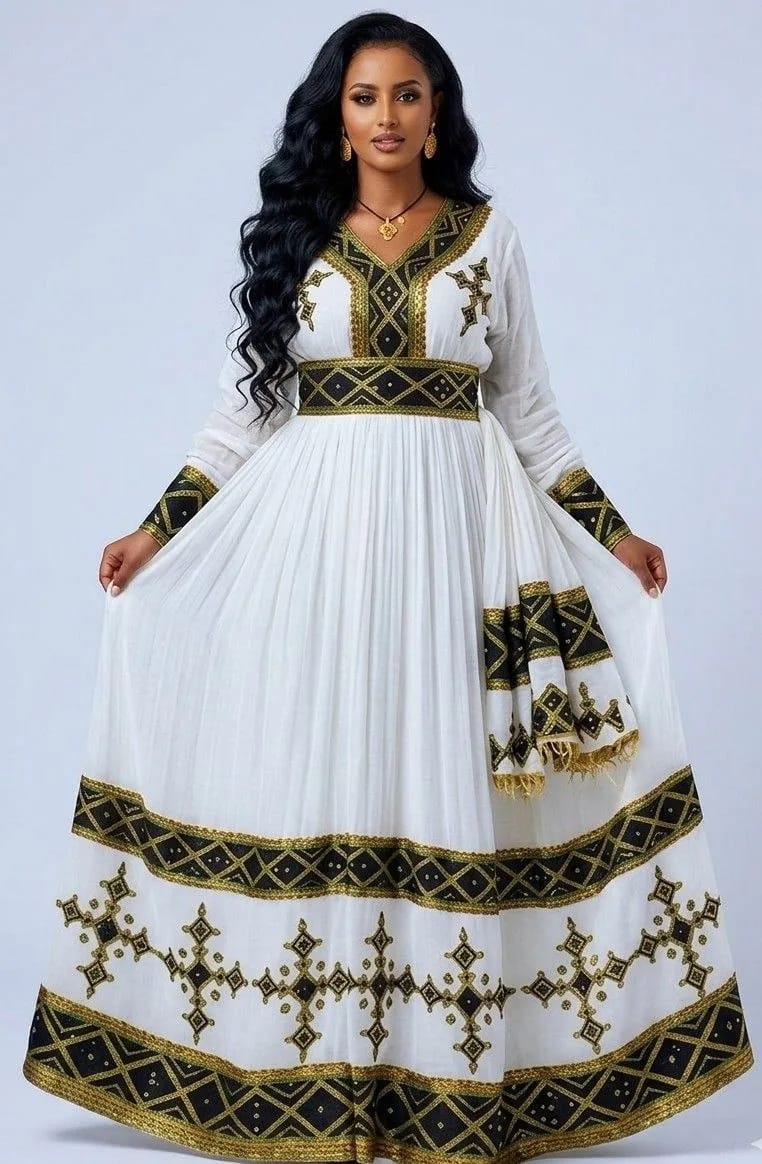
Tibeb (ጥበብ) is the broader term. In Amharic it literally means embellishment or craftsmanship, and it refers to the decorative pattern woven or embroidered into the border of Ethiopian traditional textiles — the habesha kemis, the netela, the gabi, and other garments.
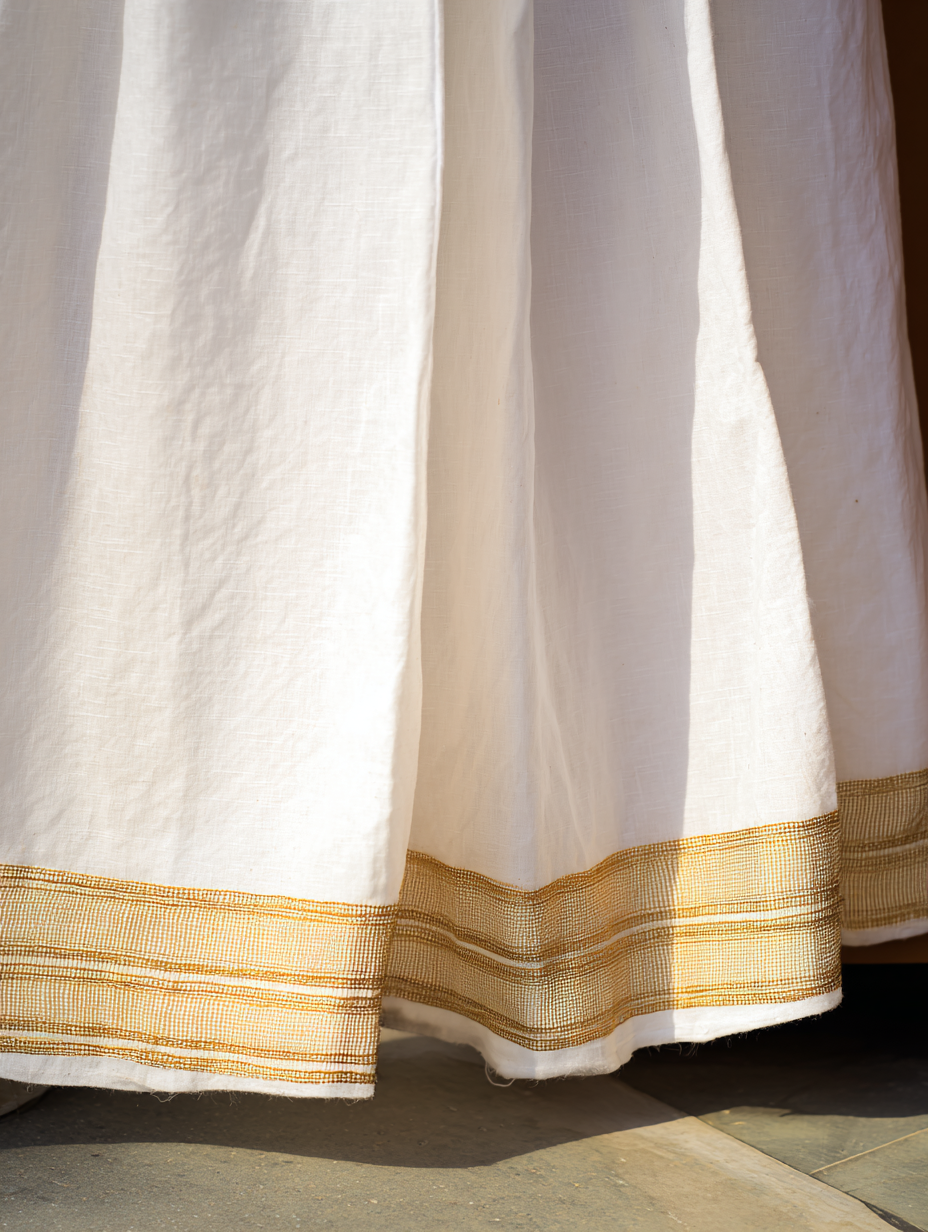
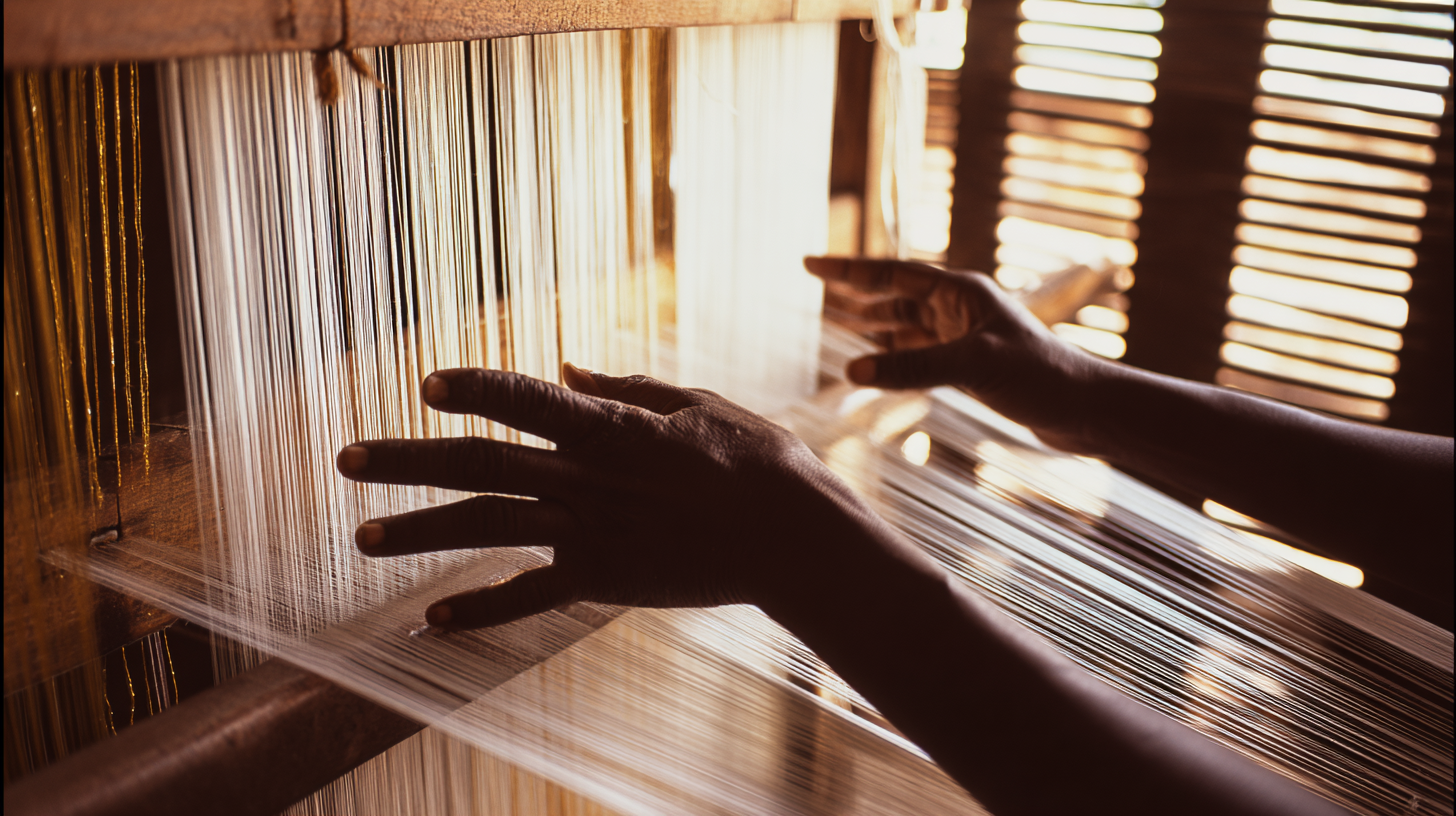
Tibeb is made by introducing extra threads — called supplementary weft — into the base fabric as it is being woven on the loom. These threads run alongside the main cotton weft and create a raised, textured pattern that stands out from the flat base cloth. The process is slow and requires skill: a weaver managing tibeb must track the position of every supplementary thread across the width of the loom, row by row.
The materials used for tibeb have evolved over centuries. Traditionally it was cotton and pure silk. Today many weavers use metallic thread imported from India or China, rayon floss (called saba), or a twisted art silk that mimics the sheen of real silk at a lower cost. When you run your finger across a quality tibeb border, you should feel the raised texture of the supplementary threads against the smoother base cloth.
Tibeb designs are not random. They carry meaning. Religious symbols — particularly the Ethiopian Orthodox cross — appear throughout tibeb patterns. Regional identity is also encoded: weavers in Gondar, Gojjam, Shewa and Tigray each developed distinct motif styles that a trained eye can distinguish. The geometric diamond, the lattice, the stepped border — these are visual languages as much as they are decorative choices.
What Is Tilet?
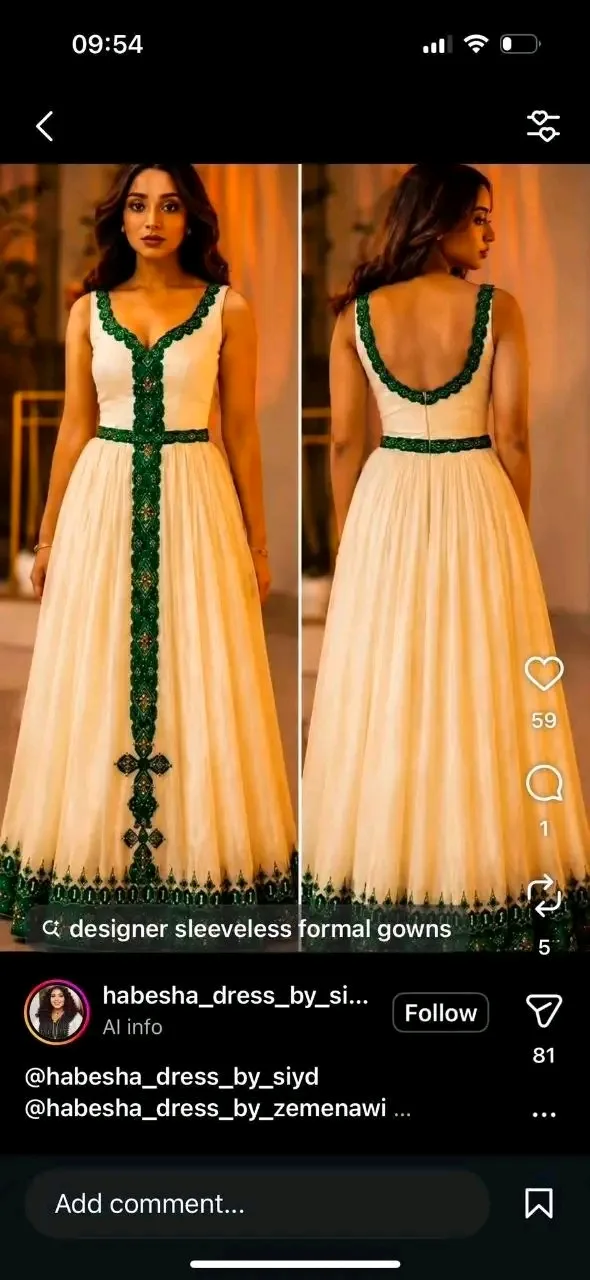
Tilet is a specific type of tibeb — a more elaborate panel-style decoration that covers a larger area of the garment rather than just a narrow border strip. Where a tibeb border might run along the hem and cuffs in a band a few centimetres wide, a tilet panel can extend up the full front of a kemis skirt, across the chest, or down the centre front in a continuous decorative column.
The word tilet is most commonly associated with bridal and high-ceremony kemis. When you see a wedding dress with an intricate gold panel covering most of the front skirt, that is tilet work. It takes significantly longer to produce than a simple border tibeb and commands a higher price accordingly.
In Tigray the term tilfi is used for the embroidered version of this panel decoration, particularly on heavier garments. In Gondar, the jano fabric features a red tilet border that is one of the most recognisable regional styles in Ethiopia.
Woven vs Embroidered — the Other Key Distinction
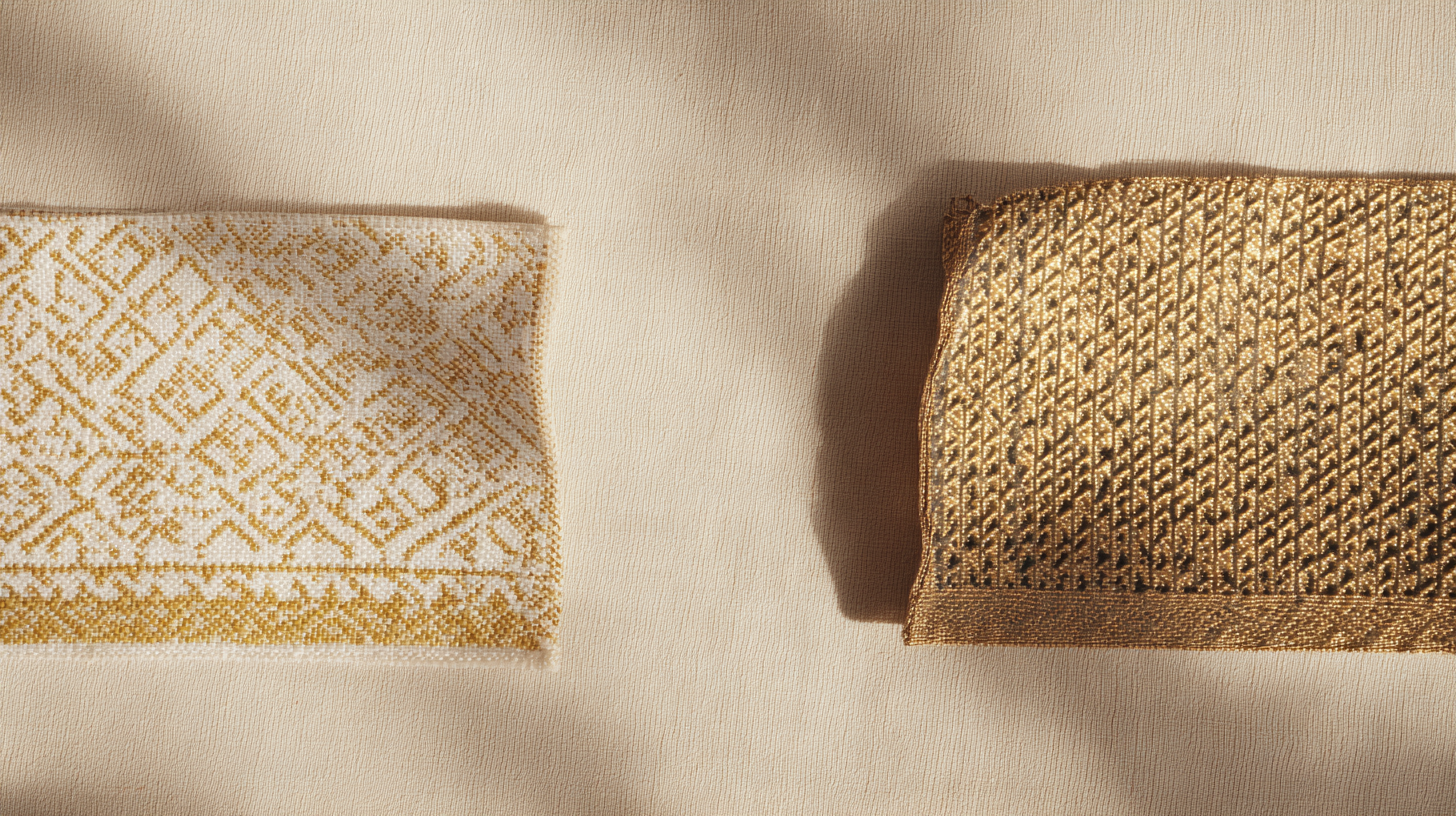
Both tibeb and tilet can be either woven or embroidered, and this distinction affects quality, durability, and price.
Woven tibeb is created on the loom as the cloth is made. The supplementary weft threads are integrated into the fabric structure itself. This is the traditional method and the most durable — the pattern cannot unravel from the base because it is part of the weave. Woven tibeb has a consistent, even appearance from both sides of the fabric.
Embroidered tibeb (called tilf tibeb) is stitched onto the finished cloth after weaving. It can be done by hand or by machine. Hand-embroidered tilf tibeb is still skilled work and can be beautiful, but it sits on top of the fabric rather than being integrated into it. Machine embroidery is faster and less expensive but usually lacks the depth and irregularity of handwork.
When you are buying a kemis, ask whether the tibeb is woven or embroidered. A seller who knows their product will answer immediately. On high-quality pieces, the answer is always woven.
How to Tell the Difference When Shopping Online
When buying a habesha kemis online, especially without being able to touch the fabric, look for these signals in the listing photos:
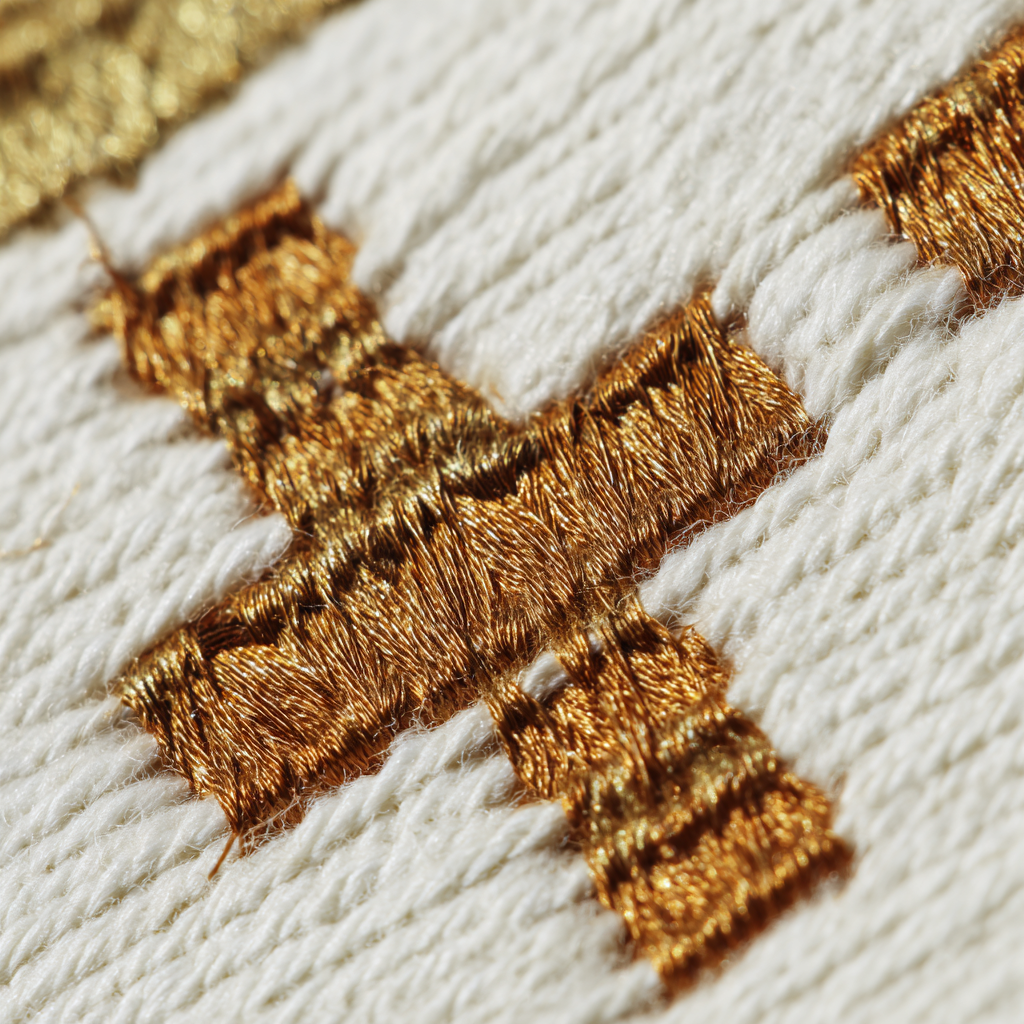
Signs of woven tibeb: The pattern has a slightly raised, dimensional quality visible in good photographs. The texture looks consistent and even across the full border. Detail shots show the threads as part of the cloth structure, not sitting above it. The reverse of the fabric has a clean back with no stitching visible.
Signs of embroidered tibeb: The pattern sits visibly above the fabric surface. Thread ends may be visible at the edges of motifs. The base cloth is visible through parts of the design. Machine embroidery looks very uniform and perfect — sometimes too perfect.
Signs of quality in either type: Consistent spacing between motifs. Even tension across the full width of the border. Clean, sharp geometric lines rather than fuzzy edges. Metallic thread that catches light evenly without fraying.
Why This Matters for Your Purchase
A hand-woven tibeb border on a ceremony-grade kemis represents dozens of hours of skilled weaving. The Dorze weavers who settled in Shiro Meda in Addis Ababa — now considered the finest tibeb weavers in Ethiopia — can spend six to eight weeks on a single bridal kemis with full tilet panelling. That investment in craft is the reason the price difference between a machine-embroidered kemis and a hand-woven one can be tenfold.
When you buy from a seller on Derbaba, you can ask directly — via WhatsApp or Telegram — whether the tibeb is woven on the loom or added afterwards. That single question will tell you almost everything you need to know about the quality and value of the piece.