Ethiopian Men Tunic Online: A Cultural Style Guide to Authentic Habesha Garments
Discover how to find authentic Ethiopian men tunics online — from handwoven Habesha ceremonial pieces to festival styles — with expert tips on quality, sizing, and supporting Addis Ababa sellers.
Illustration
Quick Answer: What Is an Ethiopian Men's Tunic?
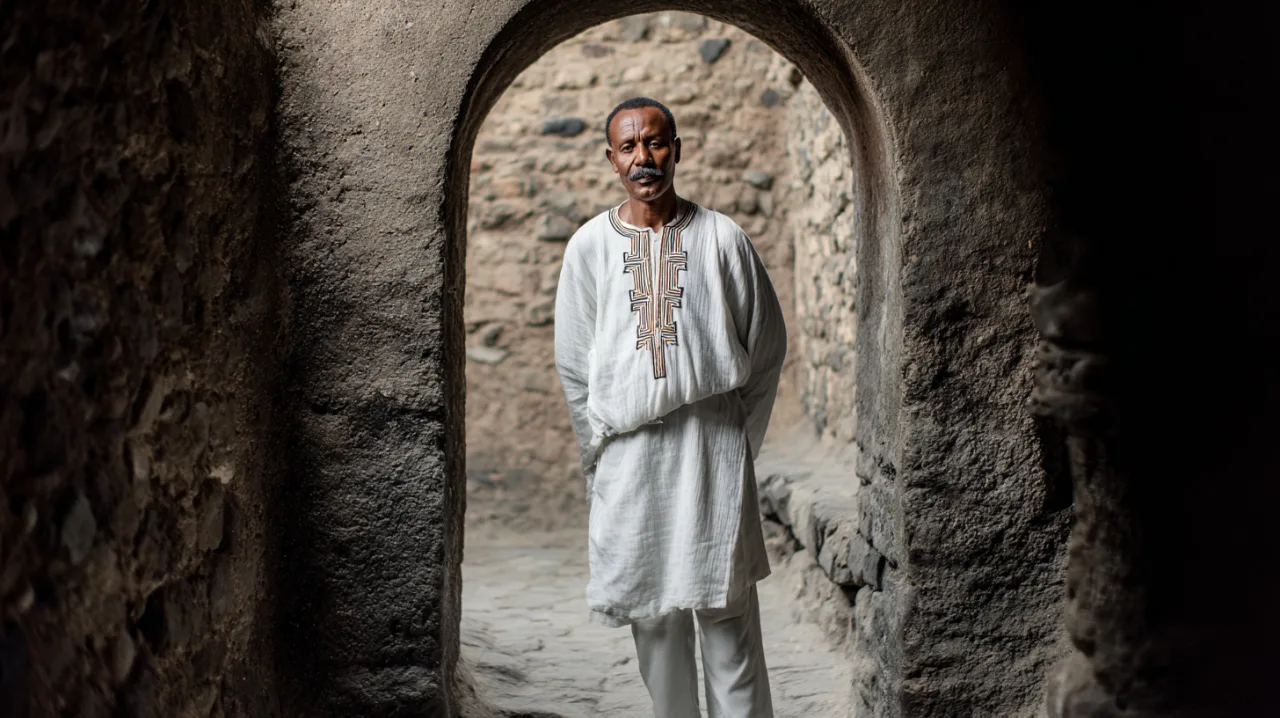
Ethiopian men's tunic: A traditional garment, often called a Habesha libs or Kemis-style shirt, made from handwoven cotton or silk and distinguished by intricate embroidered borders known as tilet. These tunics are worn for religious ceremonies, cultural festivals, and everyday life across Ethiopia and the broader Horn of Africa.
Shopping for an Ethiopian men tunic online gives you access to one of the world's most visually distinctive textile traditions — garments that have been refined over centuries by artisan weavers in Addis Ababa, Gondar, and the highlands of Amhara and Tigray. Whether you are attending an Ethiopian Orthodox holiday, a diaspora celebration, or simply want to honor a culture you love, understanding what you are buying makes all the difference.
Key Takeaways
- Ethiopian men's tunics — also called Habesha libs — are rooted in centuries of East African weaving tradition and cultural identity.
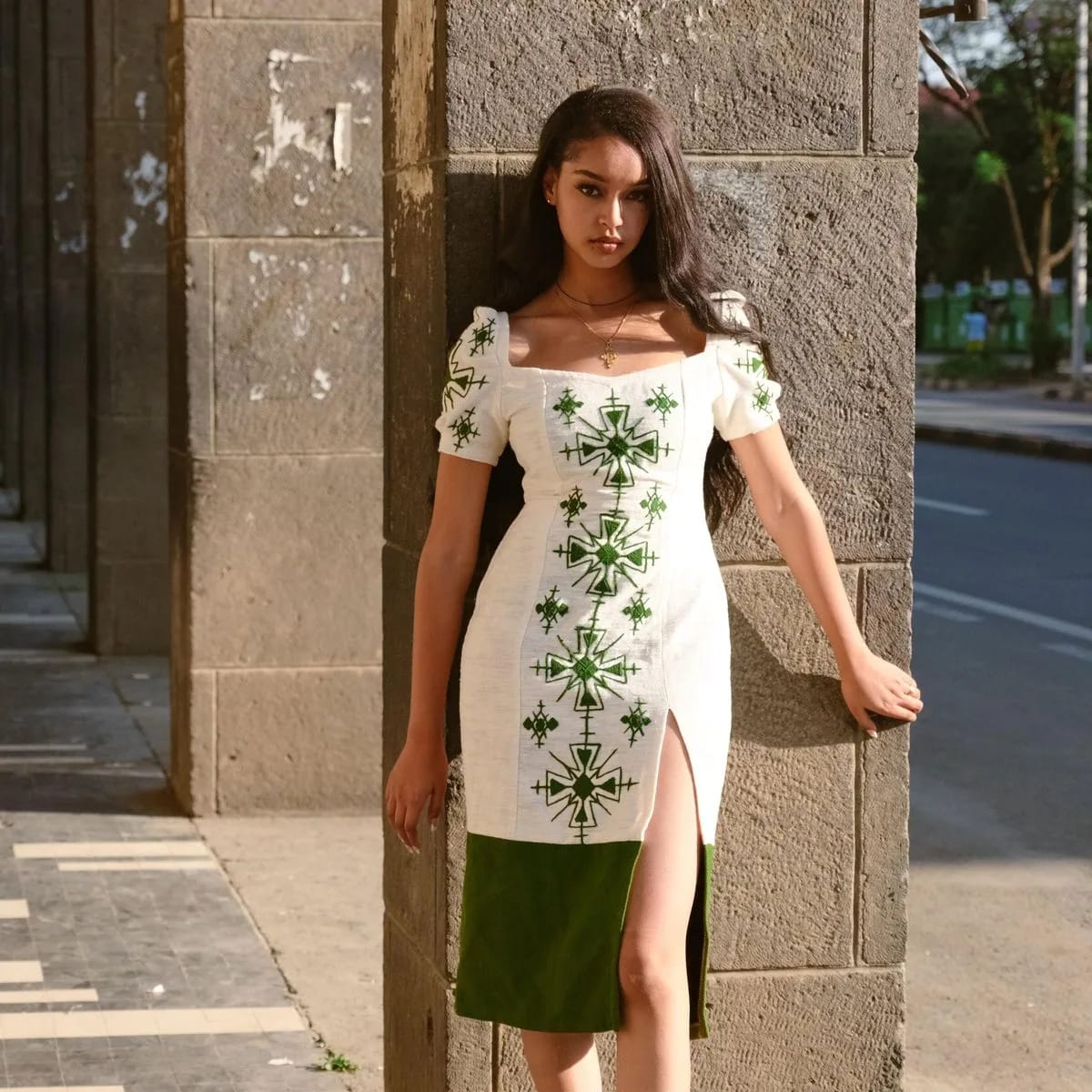
- Authentic pieces are handwoven from cotton or silk and feature regional embroidery patterns called tilet along the collar, cuffs, and hem.
- There are three main style categories: ceremonial, everyday, and festival tunics — each with distinct embroidery density and fabric weight.
- When buying an Ethiopian men tunic online, check for seller origin, fabric description, and hand-embroidery details to avoid mass-produced imitations.
- Sizing varies widely between sellers; always request a measurement chart and compare against your own body measurements before purchasing.
- Buying from Ethiopian-owned or artisan-direct shops ensures your money supports the communities keeping these textile traditions alive.
The Cultural Roots of Ethiopian Men's Tunics
What if the clothes on your back told a story as rich and layered as the food on your table? In Ethiopia, that is not a metaphor — it is a lived reality. Ethiopian men's tunics carry centuries of culture, craft, and community, woven thread by thread into garments that speak of regional identity, religious devotion, and social belonging. Just as injera and berbere spice are inseparable from Ethiopian culinary identity, the tunic is inseparable from Ethiopian social life.
The tradition of handwoven cotton garments in Ethiopia dates back at least to the early Aksumite Empire (circa 100–940 CE), one of the great ancient civilizations of the world. Weavers, known as shemane, occupied a specialized social role, producing cloth that was used as currency, ceremonial gift, and daily dress. The craft passed from generation to generation, with regional communities developing their own signature patterns and color combinations that functioned much like a visual dialect.
Regional Signatures in Embroidery
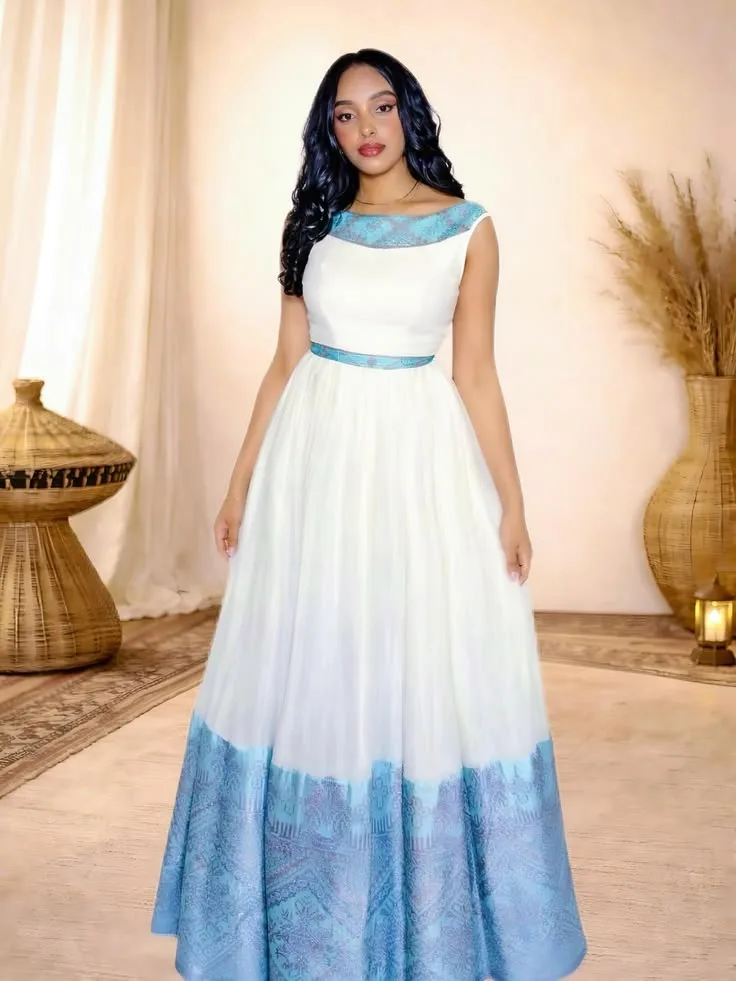
Much like how the berbere spice blend of Tigray differs from the mitmita of Oromia, embroidery patterns on Ethiopian tunics vary significantly by region. The Amhara highlands are known for bold cross motifs in gold and silver thread, reflecting the deep influence of Ethiopian Orthodox Christianity. Tigrinya weavers favor geometric tilet borders in deep blue and burgundy, while Harari artisans incorporate more colorful, densely packed patterns influenced by Islamic artistic traditions.
These regional signatures are not merely decorative. They communicate the wearer's origin, faith, and social standing to anyone who knows how to read them. When you search for an Ethiopian men tunic online, you are not just browsing clothing — you are navigating a visual language with centuries of grammar behind it. Recognizing these regional distinctions helps you choose a garment that resonates with the specific cultural story you want to tell or honor.
Types of Ethiopian Men's Tunics: Ceremonial, Everyday, and Festival
Not all Ethiopian men's tunics are created equal, and understanding the differences between styles is essential before you buy. The three main categories — ceremonial, everyday, and festival — differ in fabric weight, embroidery density, and appropriate context of wear. Choosing the wrong style for an occasion is a bit like serving a rich tibs stew at a fasting meal: technically food, but culturally misaligned.
Ceremonial Tunics
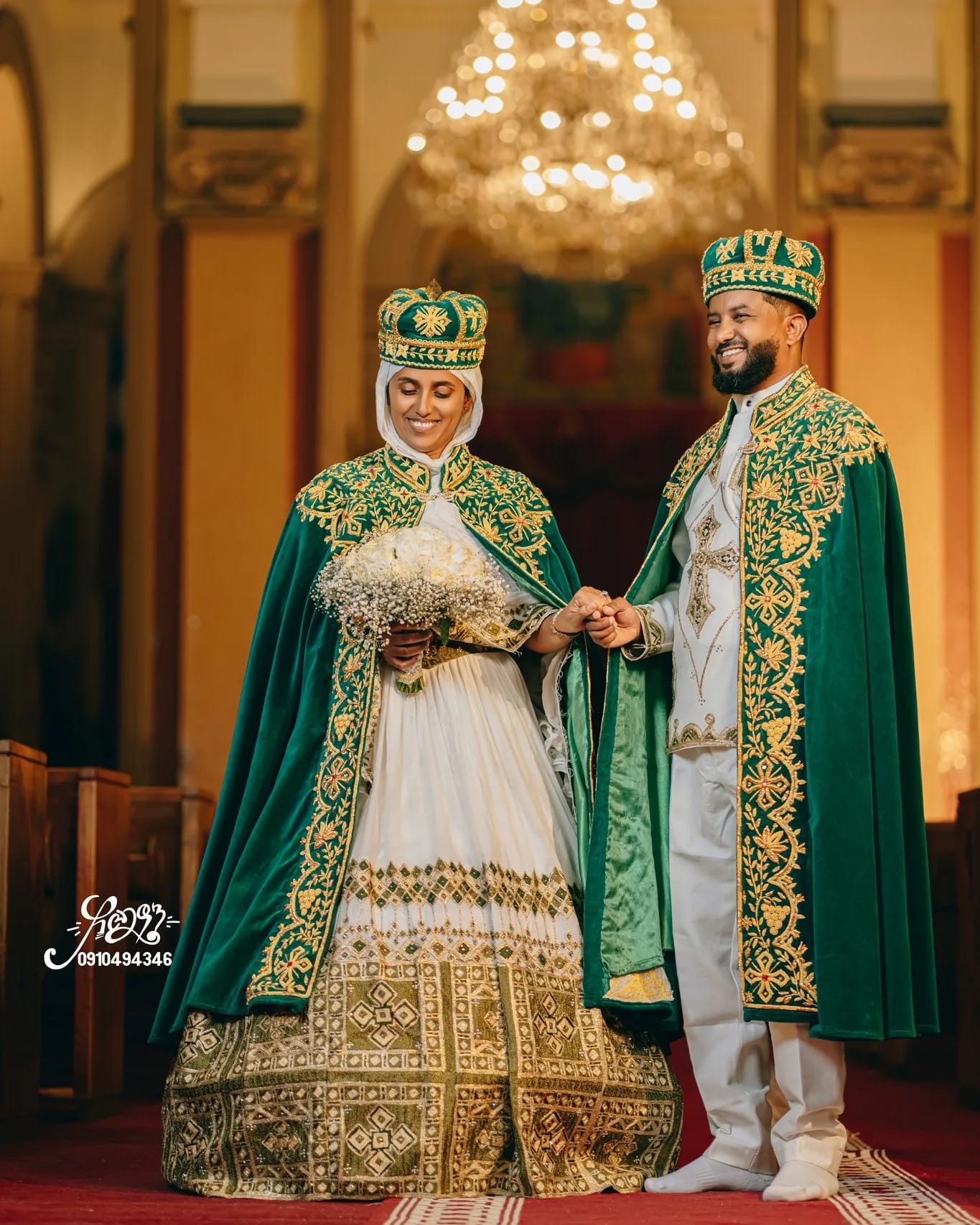
Ceremonial tunics are the most elaborate and expensive category. They are typically worn during Ethiopian Orthodox Christian holidays such as Timkat (Ethiopian Epiphany, celebrated in January) and Meskel (Finding of the True Cross, celebrated in September), as well as weddings and baptisms. These garments feature the densest embroidery, often covering the entire collar, chest panel, cuffs, and hem in gold, silver, or multicolored silk thread. The base fabric is usually a finely woven white cotton called netela cloth, sometimes blended with silk for a subtle sheen.
Ceremonial tunics from reputable artisan sellers can range from $80 to over $300 USD, depending on the complexity of the embroidery and the quality of the base fabric. When searching for an Ethiopian men tunic online in this category, look for sellers who specify hand embroidery rather than machine embroidery — the difference is visible in the slight irregularity and depth of handmade stitching versus the flat uniformity of machine work.
Everyday and Festival Tunics
Everyday tunics are simpler in construction, with minimal embroidery confined to the collar or a single border stripe. They are made from heavier, more durable cotton and are designed for repeated washing and wear. These are the garments that Ethiopian men might wear to church on an ordinary Sunday, to a community gathering, or during the workweek in more traditional households. They are an excellent entry point for diaspora community members or international buyers new to Ethiopian dress.
Festival tunics occupy a middle ground — more decorative than everyday wear but less elaborate than full ceremonial dress. They are popular choices for Ethiopian cultural festivals, diaspora events in cities like Washington D.C., London, and Toronto, and food-and-culture celebrations where guests want to participate visually in the occasion. Many buyers shopping for an Ethiopian men tunic online for the first time find that a festival-style tunic offers the best balance of authenticity, visual impact, and wearability.
What Makes an Ethiopian Men's Tunic Authentic?
Authenticity is the central challenge of buying any traditional garment online. The global market for ethnic and cultural clothing is flooded with mass-produced imitations that use synthetic fabrics, printed-on patterns, and machine stitching to mimic the look of handcrafted originals at a fraction of the cost. Knowing what to look for protects both your investment and the artisan communities whose livelihoods depend on genuine craft.
Fabric: Cotton and Silk Over Synthetics
Authentic Ethiopian tunics are made from handwoven cotton — sometimes called gabis cloth — or from cotton-silk blends. The weave has a distinctive slightly textured feel and a natural off-white or cream base color before dyeing or embroidery is applied. Synthetic fabrics like polyester may look similar in photographs but feel entirely different against the skin and do not drape or breathe the way natural fibers do. Always check the product description for fabric content, and if it is not listed, contact the seller directly before purchasing.
Thread count and weave density are also meaningful indicators of quality. Higher-quality handwoven Ethiopian cotton has a tighter, more uniform weave that holds embroidery cleanly and resists pilling after washing. A seller who can describe the weave count or the specific loom technique used — such as the traditional hager fikir backstrap loom — is almost certainly selling a more authentic product than one who cannot.
Embroidery: Hand vs. Machine
The embroidery on an authentic Ethiopian tunic is done by hand, using a technique that has been passed down through generations of artisan women who specialize in this work. Hand embroidery has a three-dimensional quality — the thread slightly raises from the fabric surface, and close inspection reveals the individual needle marks and slight variations in stitch tension that are the signature of human craft. Machine embroidery, by contrast, is flat, perfectly uniform, and often has a slightly plasticky sheen from the synthetic thread used in industrial embroidery machines.
When browsing for an Ethiopian men tunic online, zoom into any available product photos to examine the embroidery closely. Reputable sellers will provide high-resolution close-up images of the collar and border work. If only wide-angle or model shots are available, ask the seller for detail photographs before committing to a purchase.
How to Shop for an Ethiopian Men Tunic Online: Practical Tips
Finding a genuine Ethiopian men tunic online requires more than a quick search and a credit card. The following practical strategies will help you navigate the marketplace with confidence and bring home a garment you will be proud to wear.
- Prioritize Ethiopian-owned sellers. Platforms like Etsy host numerous Ethiopian artisan shops that ship internationally. Search specifically for shops based in Addis Ababa or run by Ethiopian diaspora artisans who source directly from weavers in Ethiopia.
- Read the seller's origin story. Authentic sellers almost always have a detailed shop biography explaining their connection to Ethiopian textile traditions. Vague or generic descriptions are a red flag.
- Request a measurement chart. Ethiopian sizing conventions differ from US, UK, and European standards. A tunic labeled "Large" by an Ethiopian seller may correspond to a US Medium. Always compare the seller's specific measurements against your own chest, shoulder, and length measurements.
- Ask about washing and care instructions. Handwoven cotton tunics require gentle hand washing or delicate machine cycles. A seller who cannot provide care instructions may not be selling a genuine handwoven product.
- Check return and exchange policies. Given the sizing variability, a seller with a reasonable return or exchange policy is preferable, especially for first-time buyers.
- Look for cultural context in the listing. Sellers who describe the regional origin of the embroidery pattern, the name of the weaving community, or the occasion for which the garment is traditionally worn are demonstrating the kind of cultural knowledge that separates authentic artisan sellers from generic importers.
Styling Ethiopian Men's Tunics for Modern Occasions
Ethiopian men's tunics are remarkably versatile garments that translate beautifully beyond their traditional context. For diaspora community members, wearing a tunic to an Ethiopian New Year (Enkutatash, celebrated on September 11) celebration or an Ethiopian restaurant opening is a natural and deeply meaningful choice. But these garments also work as striking statement pieces at food festivals, multicultural community events, and even as elevated casual wear for those who appreciate artisan textiles.
Pairing a white cotton tunic with tailored dark trousers and leather sandals creates a clean, contemporary look that honors the garment's origins without feeling costumed. For colder climates, layering a tunic over a fitted long-sleeve shirt or under a structured blazer can make the look work year-round. The key is to let the embroidery speak — keep surrounding garments simple and neutral so the tilet border remains the visual focal point.
Tunics at Food and Culture Festivals
Food and culture are inseparable in Ethiopian tradition, and wearing a tunic to a food festival or cultural dinner is one of the most natural expressions of that connection. At events celebrating Ethiopian cuisine — injera spreads, coffee ceremony demonstrations, or berbere spice workshops — a well-chosen tunic signals cultural respect and genuine engagement. It is the sartorial equivalent of learning to say selam before sitting down to eat: a small gesture that carries enormous warmth.
For food enthusiasts who have fallen in love with Ethiopian cooking and want to deepen their connection to the culture, wearing an authentic tunic is a powerful way to honor the full tradition, not just the flavors. It is a reminder that culture is not only tasted — it is worn, spoken, sung, and shared.
Supporting Artisan Communities Through Your Purchase
Every Ethiopian men tunic online purchase is a vote for the kind of global textile economy you want to support. When you buy from an Ethiopian-owned shop or an artisan-direct seller, your money flows back to the weavers, embroiderers, and small-business owners who are actively preserving a craft tradition under significant economic pressure. Industrial fast fashion and cheap imitations undercut these artisans not just financially but culturally, flooding the market with garments that look similar but carry none of the meaning.
Organizations like the World Fair Trade Organization certify sellers who meet ethical sourcing and fair payment standards, and several Ethiopian textile cooperatives have international online presences. Spending a little more for a genuinely handcrafted tunic is an investment in cultural continuity — the same kind of investment that food lovers make when they buy single-origin Ethiopian coffee or hand-ground spice blends directly from Ethiopian farmers.
Conclusion: Wear the Story, Cook the Culture
Ethiopian men's tunics are not just garments — they are wearable archives of one of the world's oldest and most sophisticated cultures. From the handwoven cotton of the Amhara highlands to the silk-threaded ceremonial pieces worn at Timkat, each tunic carries the fingerprints of the artisan who made it and the community that inspired it. Finding an authentic Ethiopian men tunic online takes a little knowledge and a little patience, but the result is a piece of living culture you can wear with pride.
At derBaba, we believe that the deepest way to honor a food culture is to embrace it fully — the flavors, the traditions, the textiles, and the stories. Ethiopian cuisine is one of the world's great culinary traditions, and the people who created it deserve to be celebrated in every dimension. So explore the recipes, master the spice blends, set the injera on the table — and if the occasion calls for it, dress the part.
Ready to go deeper into the culture behind the food? Cook like a Baba.