Ethiopian Bridal Dresses: A Complete Guide for Diaspora Brides in 2026
A diaspora bride's guide to Ethiopian bridal dresses — tibeb meanings, regional styles, sourcing tips, and timelines for your habesha kemis.
Quick Answer: What Diaspora Brides Need to Know
Your wedding day is the one time your habesha kemis carries the weight of generations — so choosing the right Ethiopian bridal dress shouldn't feel like guesswork from thousands of miles away. Whether you're planning a full traditional ceremony in Addis Ababa or a hybrid celebration in Toronto, London, or Washington D.C., the process of sourcing an authentic habesha kemis comes down to understanding fabric, craftsmanship, and timing. Here's what matters most before you start shopping.
- Ethiopian bridal dresses, known as habesha kemis, are traditionally hand-woven from cotton and finished with intricate tibeb border patterns.
- Regional weaving traditions from Gondar, Addis Ababa, and Tigray each produce distinct colors, motifs, and construction techniques.
- Bridal tibeb is typically the most elaborate version of the pattern, often incorporating gold, silver, or multicolor thread work.
- Diaspora brides should order 2 to 4 months ahead of the wedding date to allow for custom tailoring and international shipping.
- Authentic dresses are handmade by artisan weavers, so pricing reflects labor and skill rather than factory production.
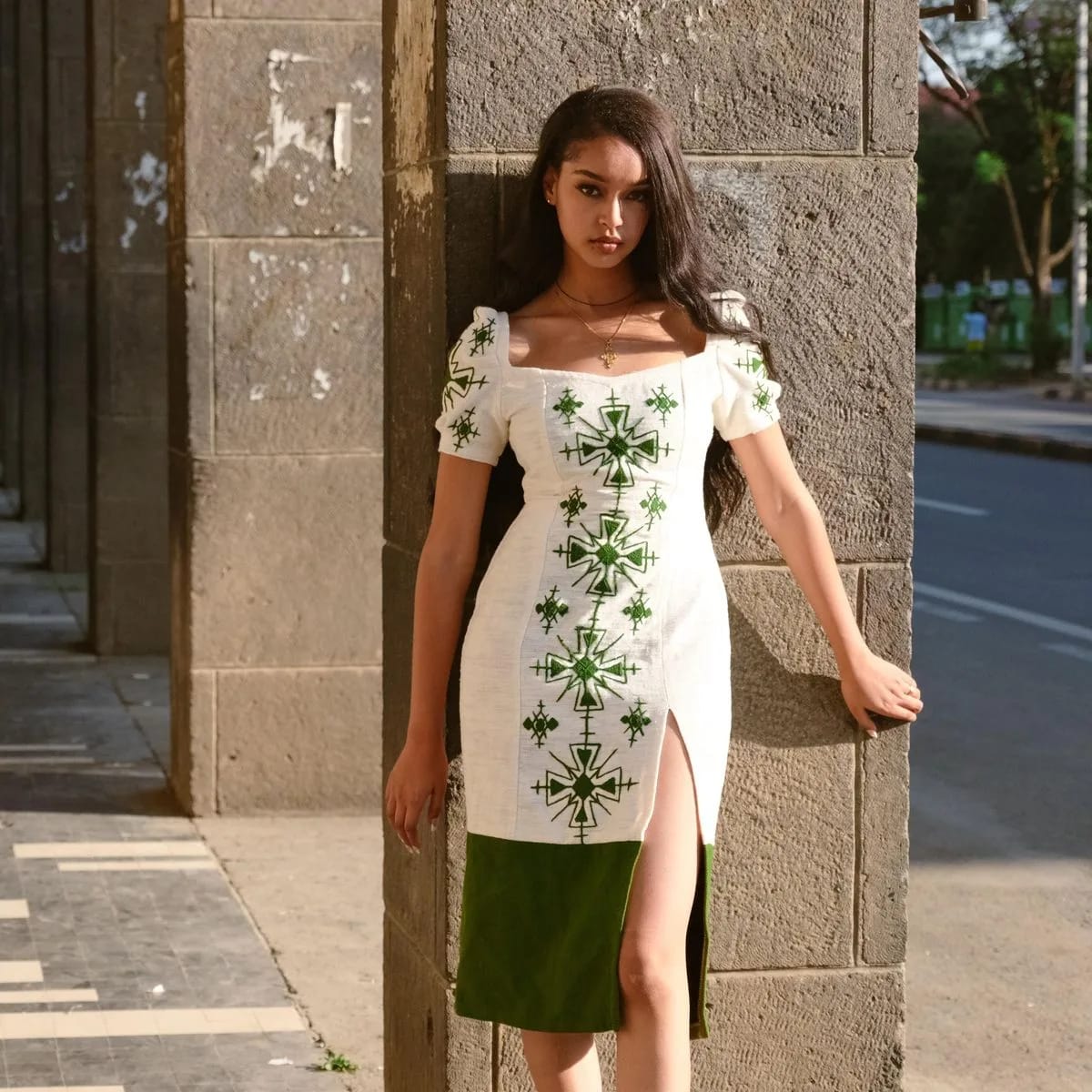
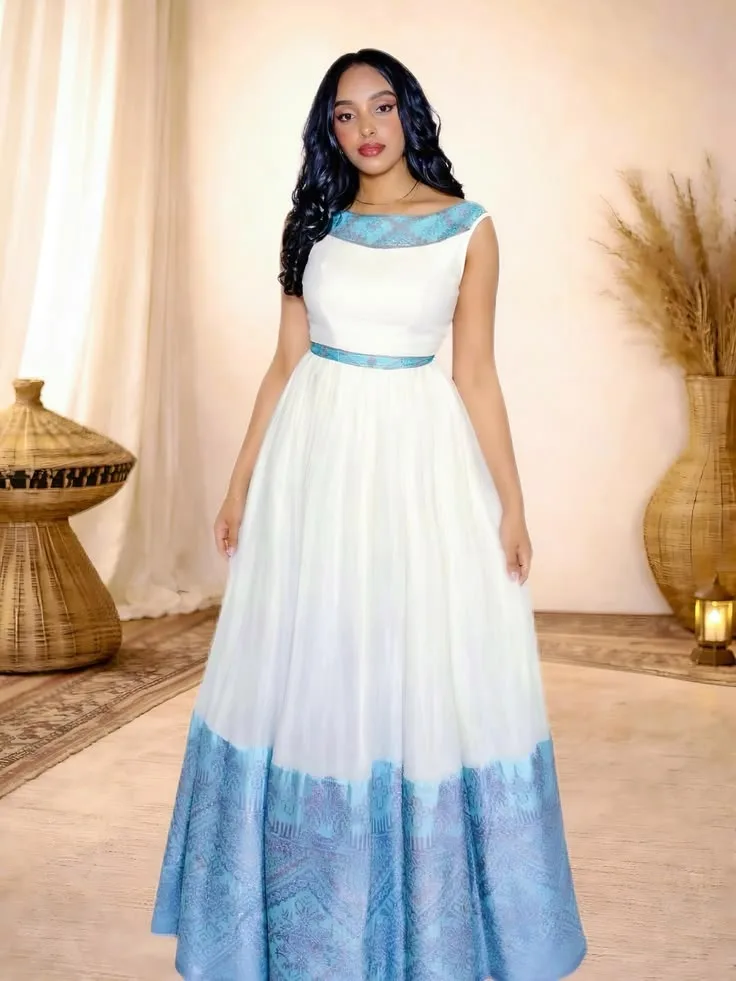
- Contemporary Ethiopian bridal fashion increasingly blends traditional weaving with modern silhouettes like fitted bodices and structured sleeves.
What Makes Ethiopian Bridal Dresses Distinct
An Ethiopian bridal dress is fundamentally different from a mass-produced gown pulled off a rack. The habesha kemis is built around handwoven cotton called shema, a fabric produced on traditional wooden looms that has been part of Ethiopian textile culture for centuries. Weavers, most often men working alongside female embroiderers, spend days or weeks producing a single garment, which is part of why these dresses feel so personal and irreplaceable to the women who wear them.
The defining feature of any habesha kemis is the tibeb, the woven or embroidered border pattern that runs along the neckline, sleeves, and hem. Tibeb is not decorative in a generic sense — it functions almost like a signature, with specific motifs tied to regional identity, family tradition, and occasion. For a wedding, the tibeb is elevated: brighter colors, denser stitching, and sometimes metallic thread transform an everyday cultural garment into a bridal centerpiece.
Regional Weaving Traditions Behind the Habesha Kemis
Ethiopia's textile heritage is not monolithic — it's a patchwork of regional styles that each bring something unique to bridal wear. Understanding these differences helps diaspora brides choose a dress that reflects their specific family background rather than a generic version of "Ethiopian style."
Gondar
Gondar is often considered the historic center of fine habesha weaving, known for intricate, densely patterned tibeb with rich color combinations. Gondar-style bridal dresses frequently feature elaborate crosses, geometric shapes, and layered borders that can extend well beyond the hem into full-skirt embellishment. Brides who want a dress with maximalist detail often gravitate toward this regional style.
Addis Ababa
As the country's fashion and commercial hub, Addis Ababa has become known for blending traditional shema weaving with modern tailoring techniques. Many of the contemporary bridal silhouettes you'll see online — fitted bodices, structured waistlines, cap sleeves — originate from designers based in and around the capital. This makes Addis-style dresses a popular choice for diaspora brides who want tradition without sacrificing a modern fit.
Tigray
Tigrayan weaving traditions are distinguished by their own color palettes and border motifs, often featuring bold red, black, and gold combinations tied to regional cultural symbolism. Tigray-style bridal garments tend to carry a slightly different drape and neckline construction compared to Gondar or Addis styles. For brides with Tigrayan heritage, sourcing a dress that reflects this specific tradition can be an important part of honoring family lineage.
What the Tibeb Pattern Really Signals
The color and complexity of a tibeb pattern is rarely random — it often communicates the formality of an occasion. A simple, narrow tibeb in muted tones might be worn for everyday cultural dress or casual gatherings, while a wide, multicolor, densely embroidered tibeb signals a major life event. Bridal tibeb sits at the top of this spectrum, typically the most elaborate version a weaver produces.
Gold and silver metallic thread is especially common in bridal tibeb, symbolizing celebration and status. Some brides also choose tibeb patterns that intentionally echo their mother's or grandmother's wedding dress, creating a visual thread across generations. If you're working with a seller or artisan, it's worth asking directly what the specific tibeb pattern on your dress traditionally represents — a reputable seller should be able to answer this with confidence and detail.
Traditional Craftsmanship vs. Modern Bridal Silhouettes
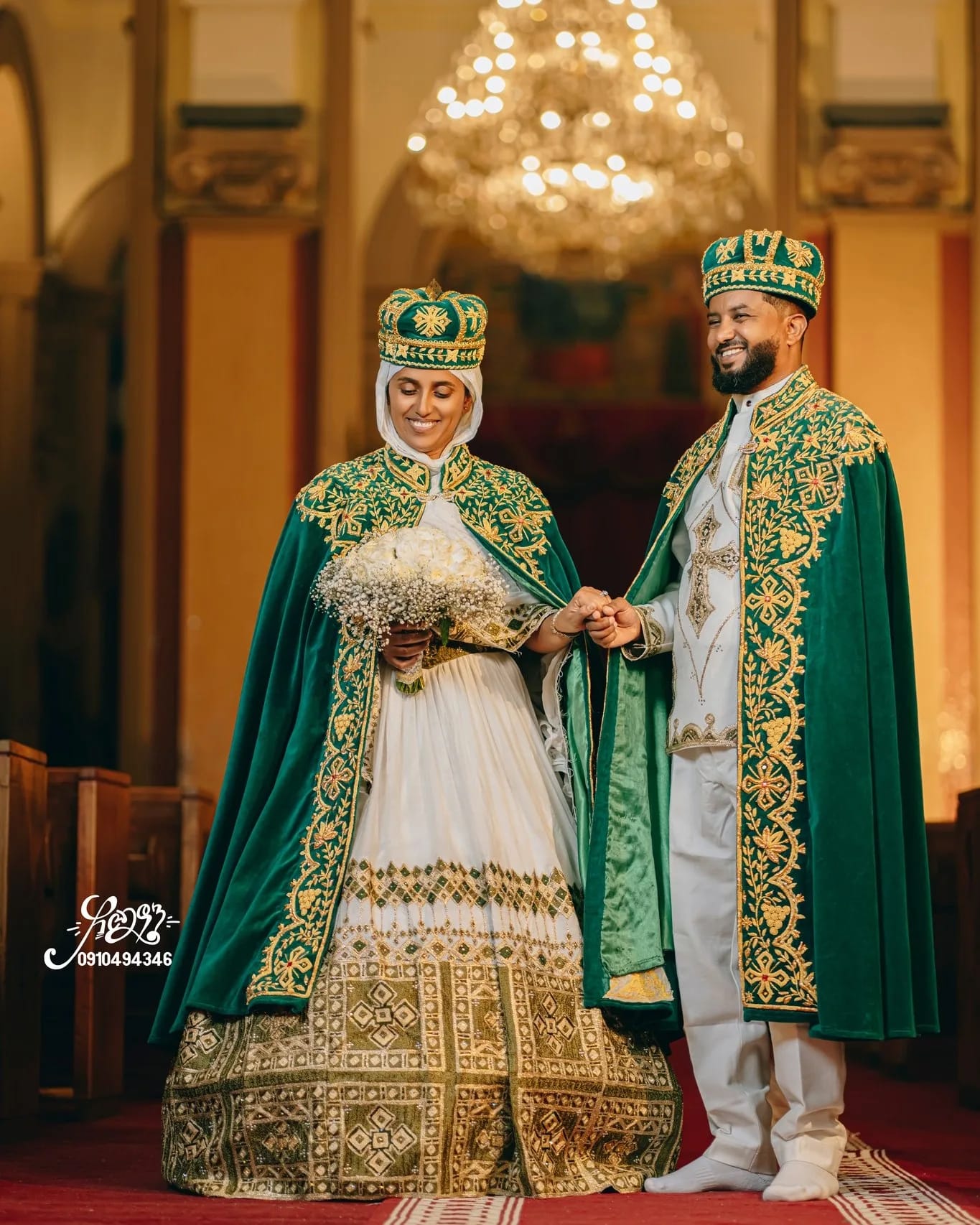
Ethiopian bridal fashion has evolved significantly over the past decade, and 2026 brides now have more choice than ever between fully traditional garments and hybrid designs. Fully traditional habesha kemis tend to feature a straight or slightly A-line cut, long sleeves, and a modest neckline, all built around the handwoven shema fabric and its tibeb border. This style is often preferred for the religious or cultural ceremony portion of a wedding.
Modern interpretations, meanwhile, incorporate elements familiar from Western bridal fashion — fitted bodices, sweetheart necklines, cap or bell sleeves, and even detachable trains — while still anchoring the design in authentic shema fabric and tibeb detailing. Many diaspora brides now order two dresses: one fully traditional piece for cultural ceremonies like the meles or the religious blessing, and one modernized hybrid gown for the reception. This approach lets you honor tradition while still expressing personal style on your wedding day.
Sourcing an Authentic Habesha Kemis from Abroad
For diaspora brides, one of the biggest challenges isn't choosing a style — it's finding a seller you can trust from thousands of miles away. Because authentic habesha kemis are handmade by artisan weavers, there's meaningful variation in quality, and unfortunately, a growing market of mass-produced imitations that imitate the look of tibeb without the craftsmanship behind it.
Look for sellers who are transparent about where their garments are woven and who can speak knowledgeably about regional style differences between Gondar, Addis Ababa, and Tigray traditions. Genuine handwoven cotton has a distinct texture and slight irregularity compared to machine-printed imitation patterns, which often look flat or overly uniform. Buyer reviews, especially those that include photos of real brides wearing the dress, are one of the most reliable ways to verify authenticity before committing to a purchase.
Timeline: When to Start Shopping for Your Wedding
Because most authentic Ethiopian bridal dresses are custom-made rather than pulled from existing inventory, timing your purchase correctly is critical. Diaspora brides should plan to order their habesha kemis at least 2 to 4 months before the wedding date to account for both artisan production time and international shipping logistics.
This timeline breaks down roughly as follows: measurements and design consultation typically take one to two weeks, hand-weaving and tailoring can take anywhere from three to eight weeks depending on the complexity of the tibeb, and international shipping — especially customs clearance for packages arriving in North America or Europe — can add another one to three weeks. Brides planning particularly elaborate, densely embroidered bridal tibeb should lean toward the longer end of this window, and it's wise to build in a buffer for alterations once the dress arrives.
Understanding Ethiopian Bridal Dress Pricing
Because habesha kemis are handmade rather than mass-produced, pricing reflects the time and skill of the artisan far more than it reflects raw material cost. A simple, narrow-tibeb everyday dress might take a weaver only a few days to complete, while an elaborate bridal piece with dense, multicolor, metallic-thread tibeb can take weeks of skilled labor.
When comparing prices between sellers, be cautious of dresses priced dramatically lower than the market average — this is often a sign of machine-printed imitation fabric rather than genuine handwoven shema. A fair price accounts for the weaver's time, the complexity of the pattern, the fabric quality, and any custom tailoring for fit. Think of your bridal habesha kemis less as a purchased product and more as a commissioned piece of wearable art, created specifically for your body and your wedding day.
Blending Ethiopian Elements into a Western Wedding
Not every diaspora bride is planning a fully traditional Ethiopian wedding, and that's completely fine — there are meaningful ways to incorporate Ethiopian bridal dress elements into a Western-style celebration. Some brides wear a full habesha kemis for a cultural blessing ceremony or the "kelekel" and then change into a Western gown for the main reception. Others choose a hybrid dress that pairs a Western silhouette with an authentic tibeb border along the neckline, sleeves, or hem.
Accessories offer another flexible entry point: a handwoven shawl called a netela with a bridal-weight tibeb can be draped over a Western gown, instantly connecting the look to Ethiopian heritage without requiring a full costume change. Whatever approach you choose, the goal is the same — making sure the Ethiopian elements in your wedding feel intentional and authentic rather than decorative afterthoughts.
Caring for Your Habesha Kemis After the Wedding
A well-made Ethiopian bridal dress is meant to last for decades, often becoming a keepsake passed down to daughters or nieces. Handwoven cotton should be cleaned according to the specific care instructions provided by your artisan or seller, as improper washing can damage delicate tibeb embroidery, particularly metallic thread work.
Many families choose to have their bridal habesha kemis professionally boxed or preserved after the wedding, similar to how Western brides preserve their gowns. Storing the dress away from direct sunlight and humidity helps protect both the cotton fibers and the vibrant tibeb colors over time. Given the labor and meaning woven into every inch of the garment, proper care isn't just practical — it's a way of honoring the artisan's work and the tradition it represents.
Conclusion: Choosing a Dress Worthy of the Moment
Your Ethiopian bridal dress is more than an outfit — it's a tangible connection to family history, regional identity, and generations of skilled artisans who keep this weaving tradition alive. Whether you're drawn to the dense, elaborate patterns of Gondar, the modern silhouettes coming out of Addis Ababa, or the bold color traditions of Tigray, the most important step is sourcing your dress from artisans and sellers who can speak honestly about craftsmanship, fabric, and timeline. Start early, ask questions, and don't be afraid to prioritize authenticity over convenience — your wedding day deserves nothing less. When you're ready to begin, shop authentic habesha kemis and Ethiopian and Eritrean traditional clothing on Derbaba.