Ethiopian Wear Guide: Authentic Habesha Clothing Explained (2026)
Learn how to spot authentic Ethiopian wear — hand-woven shema cotton, tibeb patterns, and verified artisan sourcing explained for diaspora shoppers.
You can spot a cheap polyester knockoff from across the room — the sheen is too bright, the border pattern too flat, the fringe too stiff. Authentic Ethiopian wear tells a story in every thread, and for years many diaspora shoppers have unknowingly settled for mass-produced imitations instead of the hand-woven garments their grandmothers would recognize instantly. In 2026, as more Ethiopian and Eritrean families in North America and Europe reconnect with their roots through fashion, knowing the difference between authentic habesha clothing and a factory copy matters more than ever. This guide walks through everything you need to know before you buy.
Key Takeaways: Ethiopian Wear at a Glance
- Authentic Ethiopian wear is built from shema, hand-woven cotton produced on traditional pit looms, not machine-knit polyester blends.
- Tibeb border patterns are regionally distinct — designs from Gondar, Tigray, and Bahir Dar each carry their own symbolism and weaving techniques.
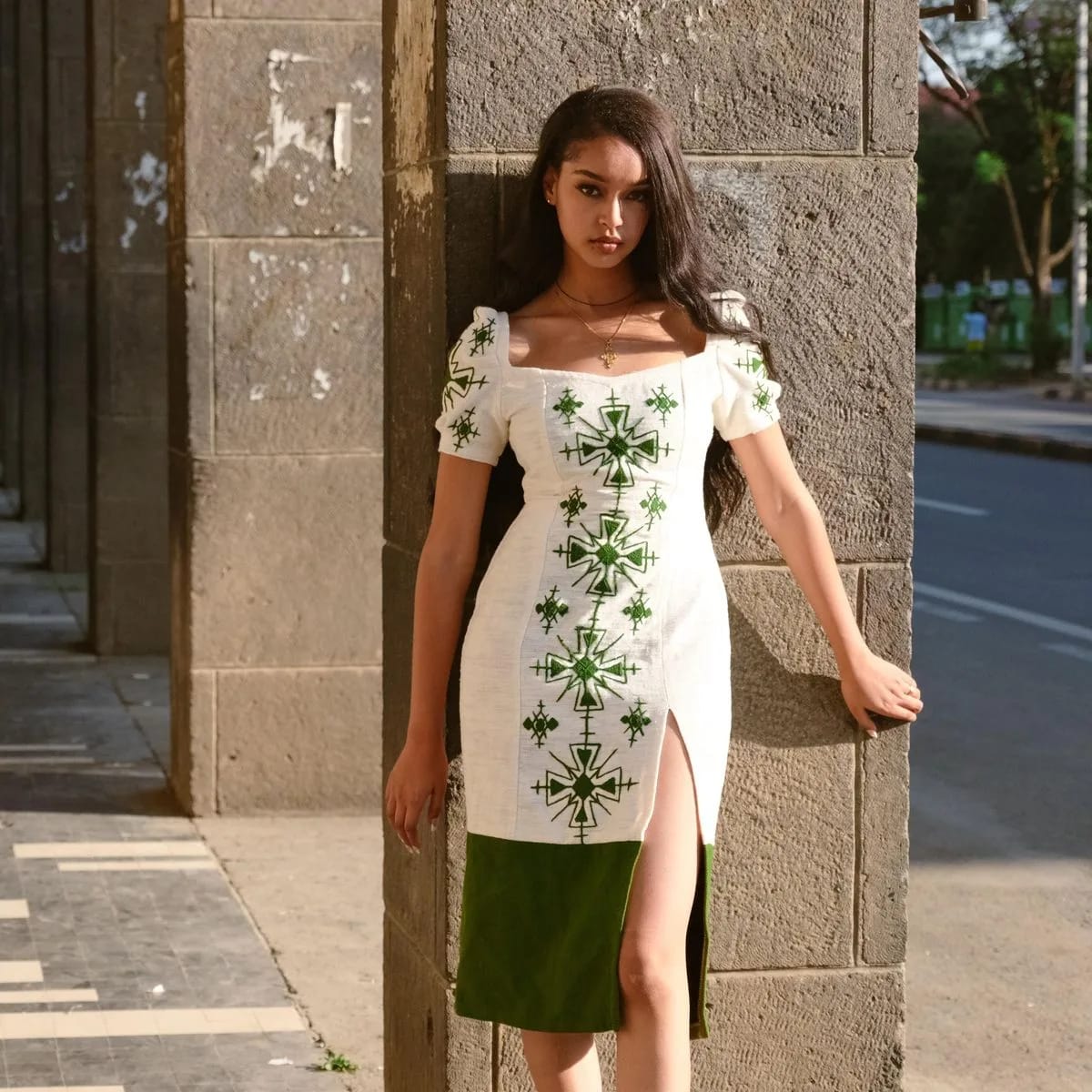
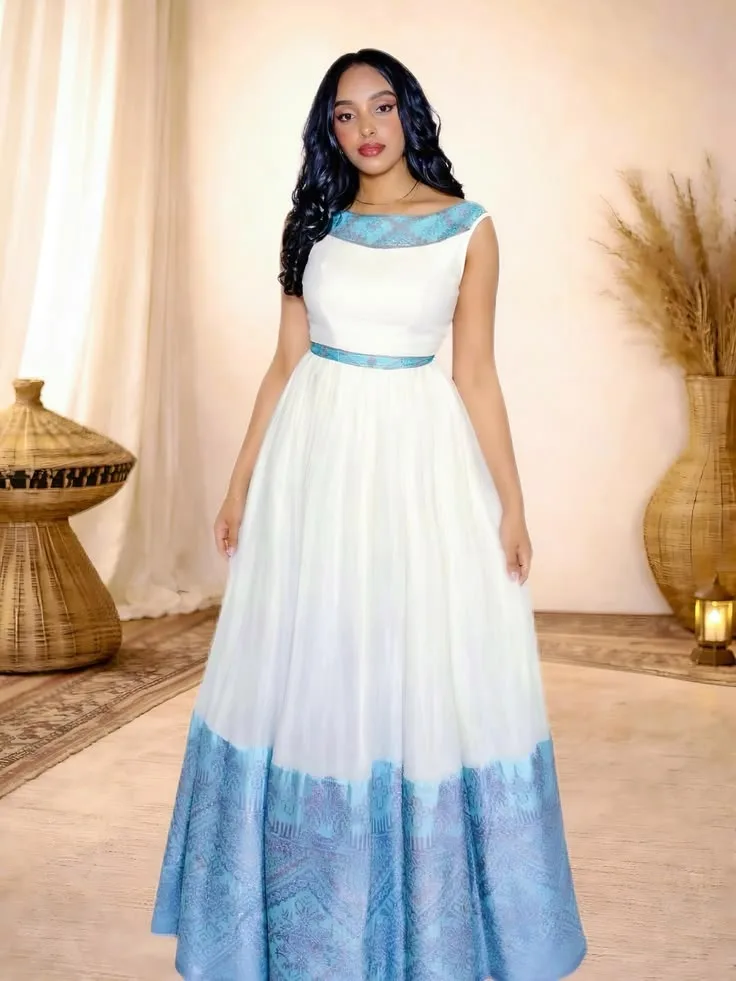
- Habesha kemis styles range from simple everyday cotton dresses to heavily embellished wedding gowns with gold or silver thread work.
- Men's traditional tunics, shirts, and shawls complete the look for holidays like Timkat and Meskel.
- Buying from verified artisan sellers protects both garment quality and the livelihoods of weavers across Ethiopia.
- You can identify authentic pieces by checking weave density, fringe construction, and the origin of the tibeb pattern.
What Makes Ethiopian Wear Authentic?
Authentic Ethiopian wear starts with the fabric itself. Traditional garments are made from shema, a cotton cloth handwoven on narrow-strip looms that Ethiopian weavers have used for centuries. The process is slow and deliberate — a single habesha kemis can take a skilled weaver several days to complete, which is why genuine pieces command a different price point than anything churned out in a garment factory.
The defining visual feature of Ethiopian wear is the tibeb, the colorful woven border that runs along the hem, sleeves, and neckline of a dress or shawl. Tibeb is not decorative embroidery stitched on after the fact; it is woven directly into the fabric structure, which is part of why authentic pieces feel heavier and more structured than printed imitations. According to the Habesha kemis overview on Wikipedia, these patterns have historically signaled regional identity, social occasion, and even the marital status of the wearer in some communities.
Shema Cotton vs. Mass-Produced Fabric
If you run your fingers across genuine shema cotton, you will notice a slightly irregular, textured weave — a sign of human hands at the loom rather than a machine. Mass-produced imitations tend to use a shiny, synthetic blend that mimics the color of tibeb thread but lacks any raised texture. The fabric on authentic pieces also breathes differently; shema cotton is lightweight yet substantial, ideal for both Ethiopia's climate and layered styling in colder diaspora cities.
Weight is another tell. A genuine habesha kemis has a certain drape and heft because the cotton threads are tightly spun and densely woven. Cheaper versions often feel thin and slippery, and the tibeb pattern may be printed rather than woven, which means it can fade, crack, or peel after just a few washes.
Habesha Kemis Styles for Every Occasion
Not all Ethiopian wear is created equal, and part of buying smart is understanding which style fits which occasion. A habesha kemis for daily wear is typically simple — solid white or cream shema with a modest tibeb border — comfortable enough to wear to work, church, or a family gathering without feeling overdressed. These everyday pieces are often where diaspora shoppers start building a wardrobe rooted in heritage rather than saving tradition only for special events.
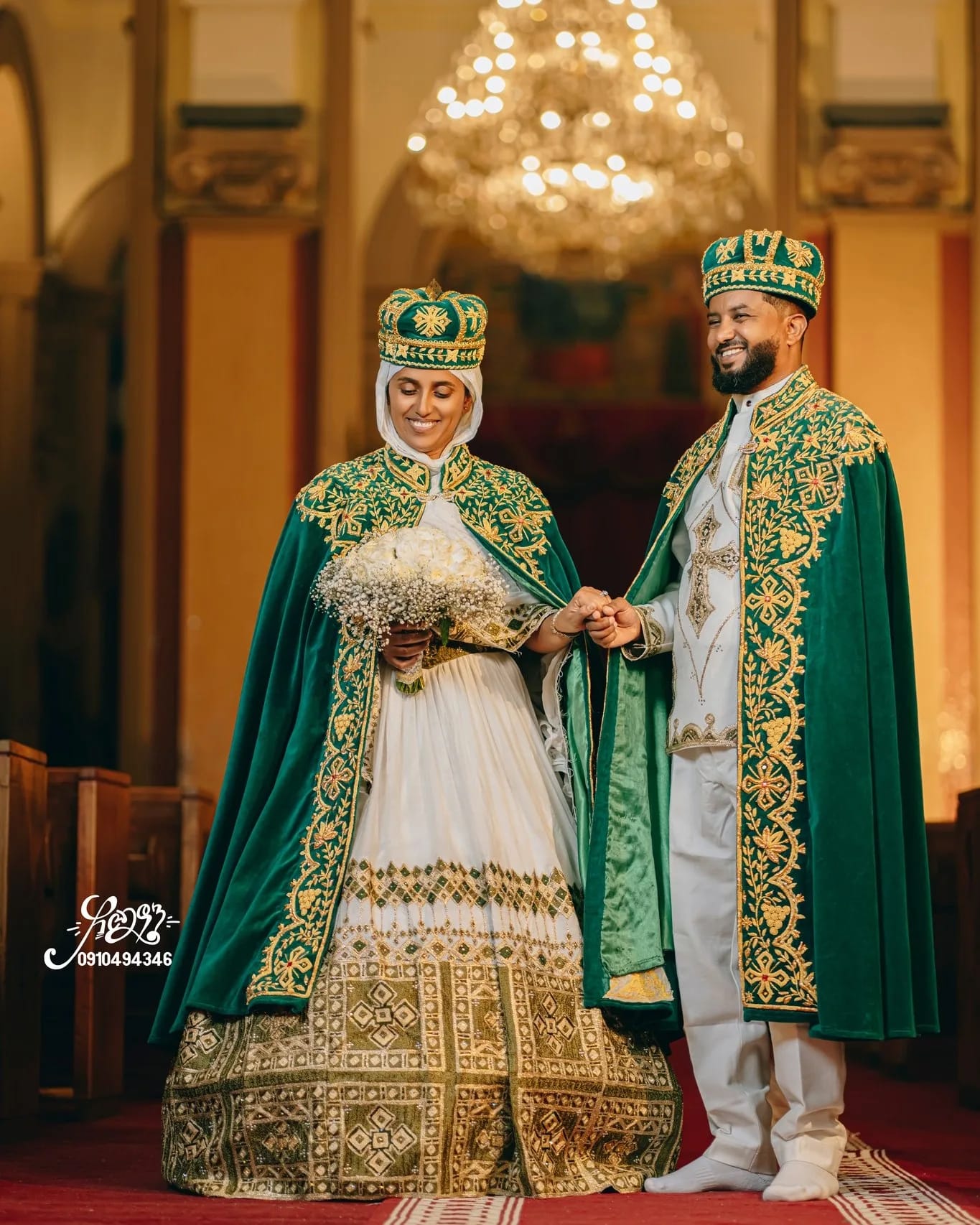
Wedding kemis sit at the opposite end of the spectrum. These gowns feature elaborate tibeb work, sometimes incorporating gold or silver metallic thread, layered fabric, and intricate hand-stitched detailing across the bodice and sleeves. A bride's kemis is often custom-ordered months in advance, matched with coordinating shawls for bridesmaids and family members, and treated as a centerpiece of the ceremony itself.
Ceremonial and Holiday Pieces
Between everyday wear and wedding gowns sits a third category: ceremonial Ethiopian wear reserved for major holidays like Enkutatash, the Ethiopian New Year, and Timkat, the celebration of Epiphany. These pieces usually feature a mid-level tibeb — more elaborate than daily wear but not as ornate as bridal gowns — often paired with a matching netela shawl that completes the silhouette for religious processions and family photos.
Many families keep a dedicated set of ceremonial Ethiopian wear specifically for Meskel, the finding of the True Cross, when communities gather for public celebrations that call for coordinated, visually striking traditional dress. Choosing the right weight and embellishment level for each holiday shows respect for the occasion and, practically speaking, helps the garment last longer since it isn't subjected to everyday wear and tear.
Men's Traditional Wear and Cultural Accessories
Ethiopian wear for men centers on the traditional tunic and matching trousers, often cut from the same handwoven shema cotton used in women's kemis, with a tibeb border along the collar, cuffs, and hem. For formal occasions, men frequently pair the tunic with a long shawl draped over one shoulder, a styling choice that mirrors the netela worn by women and signals the same cultural pride.
Accessories matter just as much as the garment itself. A woven belt, a traditional cross necklace, or a hand-carved walking stick can complete a look for Timkat or a wedding, while simpler accessories like a cotton cap suit everyday wear. For both men and women, these finishing touches are often where families invest in pieces that get passed down, since well-made accessories tend to outlast even the garments they accompany.
Netela and Zuria Shawls: More Than an Accessory
The netela, a lightweight, often sheer shawl with tibeb borders, is one of the most recognizable pieces of Ethiopian wear and carries meaning well beyond style. It is commonly draped over the shoulders during church visits, wrapped around the head and shoulders at funerals as a sign of mourning, and worn prominently during weddings and holiday celebrations. The zuria, a related but slightly heavier wrap, serves similar ceremonial purposes and is especially common in Eritrean traditional dress.
A netela passed from grandmother to granddaughter is rarely just fabric — it's a tangible thread connecting generations across continents, often the single garment a diaspora family keeps longest.
Because these shawls are frequently gifted at milestones like graduations, engagements, and childbirth, the quality of the weave matters even more than with everyday garments. A netela made from genuine handwoven cotton can last decades with proper care, while a synthetic version may lose its shape and color within a single year. This is one reason experienced buyers recommend investing in a well-made netela or zuria even if the rest of a wardrobe leans toward simpler, more affordable pieces.
How to Spot Authentic Ethiopian Wear Before You Buy
The fastest way to tell real Ethiopian wear from an imitation is to examine three things: weave density, fringe quality, and pattern origin. Authentic shema cotton has a dense, slightly uneven weave you can feel with your fingertips, while imitation fabric often feels flat, glossy, and uniformly smooth in a way machine-made synthetics typically are.
Fringe is another reliable indicator. On genuine netela and kemis pieces, the fringe is formed from the actual warp threads of the loom, hand-knotted and slightly irregular in length. Mass-produced versions often have fringe that is glued, stapled, or machine-cut into perfectly uniform strands — a quick visual giveaway once you know what to look for.
Regional Pattern Origin
Tibeb patterns are not interchangeable, and knowing a bit about regional style helps you identify authenticity and provenance. Weavers in Gondar are known for bold, geometric tibeb work, while artisans in Tigray often favor intricate cross motifs tied to religious symbolism. Bahir Dar weavers, working near Lake Tana, frequently incorporate patterns associated with the region's long textile history, and pieces from Addis Ababa workshops often blend influences from multiple regions since the capital draws artisans from across the country.
Ask any reputable seller where a piece was woven and by whom. A seller who can name the region, and ideally the artisan or cooperative, is far more likely to be sourcing authentic Ethiopian wear than one who simply describes a piece as "traditional" with no further detail.
Why Buying From Verified Artisans Matters
Every authentic habesha kemis or netela represents hours of skilled labor, and buying from verified artisan sellers ensures that value flows back to the weavers themselves rather than to intermediaries selling counterfeit designs. Weaving communities in Addis Ababa's Shiro Meda district, as well as smaller cooperatives in Gondar, Tigray, and Bahir Dar, depend on direct sales and fair compensation to sustain a craft that has existed in Ethiopia for generations.
For diaspora shoppers, this also means better quality control. Verified sellers typically work directly with named weaving cooperatives, can answer questions about fabric origin and construction, and stand behind the durability of their pieces in a way that anonymous marketplace listings cannot. When a purchase supports a known artisan network, buyers get a traceable, higher-quality garment while also helping preserve traditional weaving skills that might otherwise be lost to cheaper industrial production.
Styling Ethiopian Wear for Modern Diaspora Life
One of the biggest shifts among younger diaspora shoppers in 2026 is treating Ethiopian wear as everyday fashion rather than something reserved strictly for weddings and holidays. A simple cotton kemis with a modest tibeb border can be styled with a denim jacket for a casual outing, or a men's tunic can be worn under a blazer for a cultural event that calls for smart-casual dress. This approach keeps heritage clothing in regular rotation instead of confined to a closet for months at a time.
Layering is another practical strategy for colder climates in North America and Europe, where lightweight shema cotton alone isn't enough for winter weather. Pairing a netela as a scarf over a sweater, or wearing a habesha-inspired top under a coat, lets diaspora shoppers incorporate tradition into daily life without waiting for Enkutatash or Timkat to bring it out. The goal isn't to dilute tradition — it's to make authentic Ethiopian wear a living, breathing part of everyday identity rather than a costume reserved for special occasions.
Conclusion: Choose Authenticity, Support Real Artisans
Ethiopian wear carries centuries of craftsmanship, regional identity, and cultural meaning in every woven thread, and diaspora shoppers deserve pieces that honor that history rather than cheap imitations that fade after a single season. By understanding shema cotton, regional tibeb patterns, and the markers of genuine artisan work, you can build a wardrobe — and a legacy — worth passing down. Shop authentic habesha kemis and Ethiopian & Eritrean traditional clothing on Derbaba, where every piece is sourced directly from verified artisans in Addis, Gondar, Tigray, and Bahir Dar.