Habesha Kemis in Toronto: Find Authentic Ethiopian Dresses in 2026
Discover where to find authentic habesha kemis in Toronto — from local boutiques to Addis Ababa sellers on Derbaba. Your complete 2026 guide.
Illustration
Quick Answer: Finding Habesha Kemis in Toronto
Finding a genuine habesha kemis in Toronto is increasingly possible — through local boutiques in Etobicoke and Scarborough, and through online platforms like Derbaba that connect diaspora buyers directly with independent sellers in Addis Ababa. Custom orders typically take two to four weeks and ship internationally, making it practical for Toronto shoppers to plan ahead for weddings, Enkutatash, and Timkat celebrations.
- Toronto's Ethiopian and Eritrean diaspora is one of the largest in North America, driving strong and growing demand for authentic traditional garments.
- A genuine habesha kemis is hand-woven from traditional Ethiopian cotton and features tilet embroidery that varies distinctly by region — Gondar, Tigray, and Shewa each carry their own patterns.
- Local Toronto boutiques carry some traditional pieces, but stock is often limited, sizing inconsistent, and regional variety rare.
- Online platforms like Derbaba offer custom sizing, regional authenticity, and a direct connection to the seller in Addis Ababa.
- Styling for Canadian occasions — winter weddings, university graduations, Timkat gatherings — requires knowing how to layer with a netela and choose the right embroidery weight.
- Buying directly from artisans supports Ethiopian and Eritrean craftspeople economically while preserving the cultural integrity of the garment.
Toronto's Ethiopian and Eritrean Diaspora: A Community Rooted in Culture
Toronto is home to one of the most vibrant Ethiopian and Eritrean diaspora communities in the entire Western Hemisphere. Concentrated in neighborhoods across Scarborough, Etobicoke, and downtown, this community numbers in the tens of thousands and has built an infrastructure of churches, cultural organizations, restaurants, and businesses that keeps the connection to home alive across generations. The demand for authentic habesha kemis in Toronto reflects something deeper than fashion — it reflects a community actively choosing to transmit its heritage.
Diaspora life brings its own particular relationship with traditional dress. For a first-generation immigrant, wearing a habesha kemis to an Enkutatash celebration or an Orthodox wedding is an act of cultural continuity. For a second-generation Ethiopian-Canadian, it can be a powerful statement of identity — a deliberate and beautiful refusal to let roots fade. That emotional weight is why getting the garment right matters so much, and why so many Toronto shoppers are no longer satisfied with approximations.
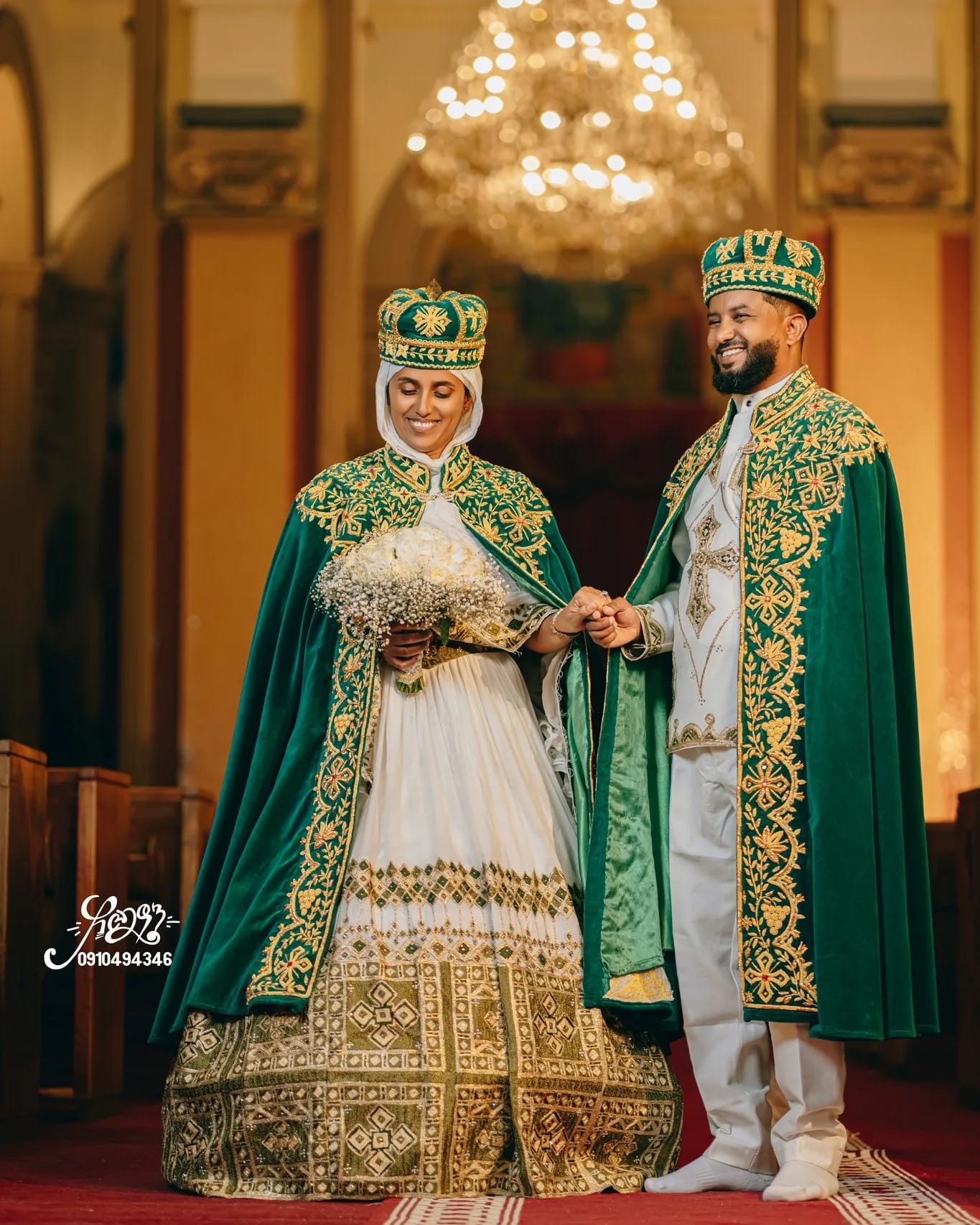
Major Ethiopian and Eritrean holidays — Enkutatash (Ethiopian New Year in September), Timkat (Ethiopian Epiphany in January), Fasika (Easter), and Meskel — all draw large community gatherings in Toronto's church halls, community centers, and private homes. Each of these occasions calls for traditional dress, and the habesha kemis is the centerpiece for women and girls. With the community growing and these celebrations expanding, the market for authentic traditional clothing in Toronto has never been stronger.
What Makes a Habesha Kemis Genuinely Authentic
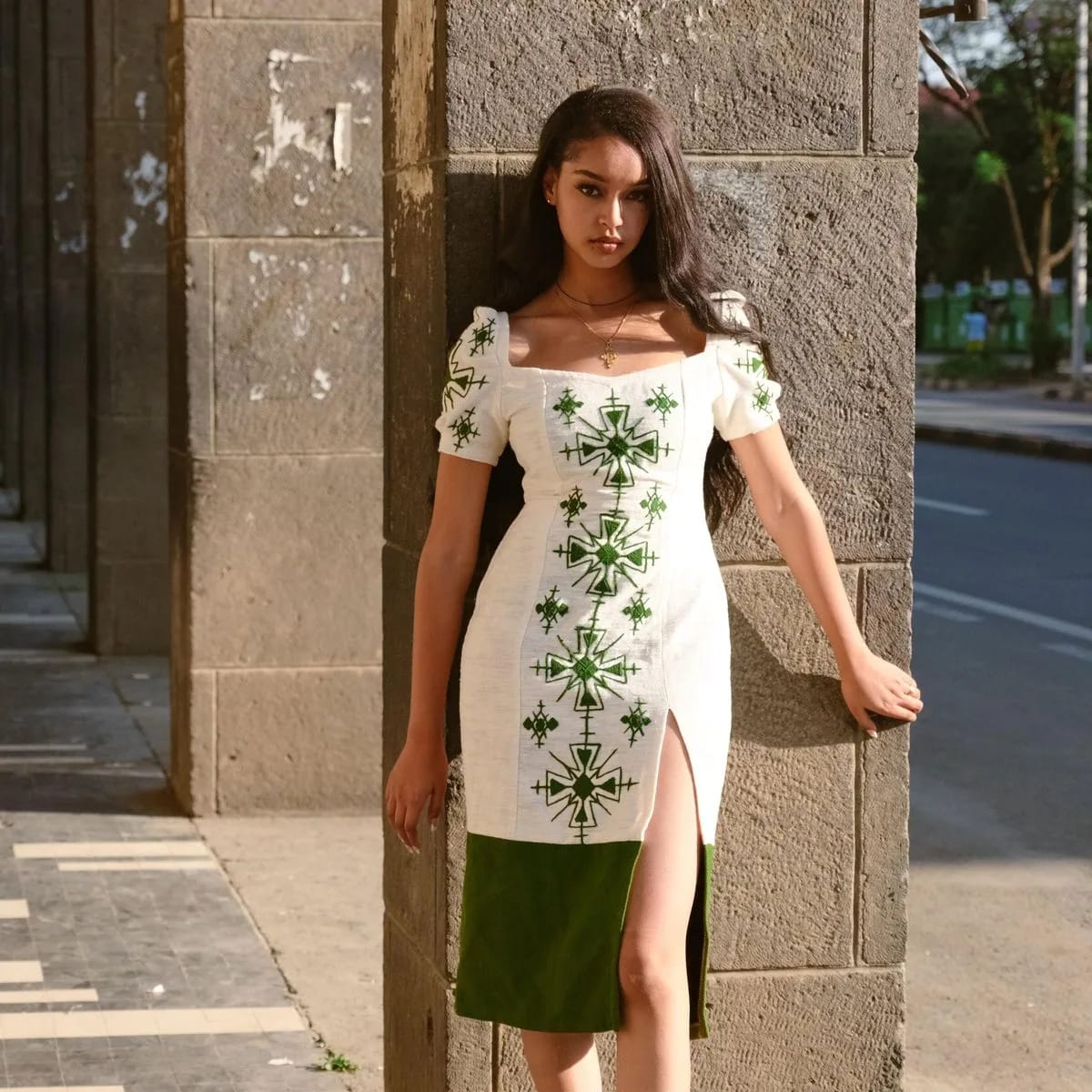
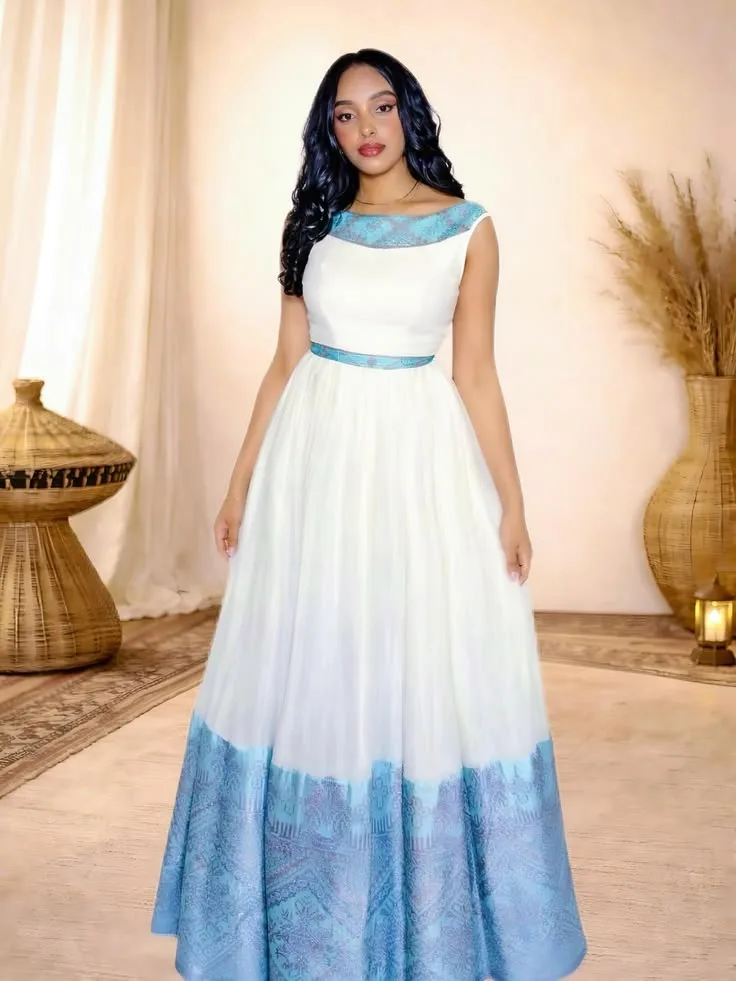
The word habesha kemis literally means "Habesha dress" — habesha being the ancient term for the people of the Ethiopian and Eritrean highlands. But not every white dress with embroidery qualifies. A genuinely authentic habesha kemis is hand-woven on a traditional loom from habesha libs, a fine, breathable cotton that has been cultivated and processed in the Ethiopian highlands for centuries. The weaving itself is a skilled craft, and the fabric has a distinctive texture and drape that machine-made cotton simply cannot replicate.
The defining visual feature of the habesha kemis is its tilet embroidery — intricate geometric and symbolic patterns typically worked in silk or metallic thread along the neckline, cuffs, and hem. What many buyers outside Ethiopia don't realize is that tilet patterns are not uniform. They vary significantly by region, and those regional differences carry meaning. Gondar-style embroidery tends toward bold, symmetrical geometric forms in rich colors like deep red and gold. Tigray tilet often features finer, more angular patterns with a distinctive cross-influenced geometry. Shewa-style kemis, common around Addis Ababa, tends toward a more refined elegance with intricate floral and vine motifs.
The Difference Between Handwoven and Machine-Made
In recent years, the global market has been flooded with machine-made imitations of the habesha kemis — often manufactured in bulk in South or East Asia, with printed or machine-embroidered patterns that superficially resemble tilet. These garments are significantly cheaper, but they lack the cultural authenticity, the quality of fabric, and the longevity of a true handwoven piece. A genuine habesha kemis, properly cared for, can last decades and often becomes a family heirloom.
The way to distinguish a handwoven kemis is through the fabric itself — slightly irregular in texture, with a natural softness that develops further with wear — and through the embroidery, where close inspection reveals the hand of the artisan in small variations of tension and pattern. Reputable artisan platforms will specify whether a garment is handwoven and will provide provenance details about the weaver and their region. This is the standard that diaspora buyers in Toronto should expect and demand.
Shopping for Habesha Kemis in Toronto: What the Local Market Offers
Toronto does have a small but meaningful retail presence for habesha kemis and Ethiopian traditional clothing. Boutiques and import shops in Etobicoke — particularly along Rexdale Boulevard and in the Dixon Road corridor — carry traditional garments alongside other Ethiopian goods. Scarborough's growing Ethiopian community has also seen a handful of small clothing shops emerge in recent years. These local options have real value: you can touch the fabric, try on sizing, and speak with a seller who understands the cultural context.
The limitations, however, are significant. Local Toronto boutiques typically carry a narrow range of styles, with limited regional variety. Stock is often inconsistent — a shop might have a beautiful Gondar-style kemis one month and nothing comparable the next. Sizing tends to skew toward standard Ethiopian measurements, which may not accommodate the full range of body types in a diaspora community that has grown up eating different diets and living different lives. And for special occasions that require a specific regional style or a custom fit, local retail almost never delivers.
What to Ask When Shopping Locally
If you're shopping for a habesha kemis at a Toronto boutique, there are a few key questions worth asking. First, ask about the fabric: is it handwoven habesha libs, or a machine-made cotton blend? Second, ask about the embroidery: is the tilet hand-stitched, and does the seller know which regional tradition it represents? Third, ask about the source: does the shop work directly with artisans in Ethiopia, or does it source through intermediaries? The answers will tell you quickly whether you're looking at a culturally authentic piece or a commercially produced approximation.
Even in the best local shops, the inventory is a snapshot — whatever was available when the last shipment came in. For Toronto buyers who need a specific style, a custom size, or a garment for a high-stakes occasion like a wedding or a graduation ceremony, local retail is often the beginning of the search rather than the end of it.
Buying Habesha Kemis Online: Connecting Toronto Directly to Ethiopian Artisans
The most significant development for the habesha kemis Toronto market in recent years has been the rise of curated online platforms that connect diaspora buyers directly with independent sellers in Addis Ababa. Platforms like Derbaba have built a marketplace specifically designed for the diaspora experience — offering authentic, handwoven garments from sellers in Addis Ababa, with custom sizing options and international shipping to Canada.
This model solves the core problems of local retail. Instead of choosing from whatever happens to be in stock at a Scarborough boutique, a Toronto buyer can browse a curated selection of regional styles, specify their measurements for a custom fit, and communicate directly with the seller about embroidery preferences and fabric weight. The garment that arrives is made for that specific person, in that specific regional tradition.
How Custom Orders Work for International Buyers
For Toronto shoppers ordering a habesha kemis from an Ethiopian artisan platform, the process is straightforward but requires planning. Custom orders typically take two to four weeks from confirmation to completion, depending on the complexity of the embroidery and the artisan's current workload. Shipping from Ethiopia to Canada generally takes an additional one to two weeks, though expedited options are sometimes available. The practical implication is that for major occasions — Enkutatash in September, Timkat in January, a summer wedding — orders should be placed four to six weeks in advance.
Sizing for a custom habesha kemis requires a set of standard measurements: bust, waist, hips, shoulder width, and desired length. Most artisan platforms provide clear measurement guides, and many offer the option to submit a reference garment's measurements if you prefer. The result is a dress that fits the way traditional dress should — gracefully and precisely — rather than the approximate fit of off-the-rack imports.
Styling a Habesha Kemis for Canadian Occasions
The habesha kemis is a remarkably versatile garment, but styling it well for Canadian life requires a few cultural and practical considerations. The most important layering piece is the netela — the traditional Ethiopian and Eritrean shawl, typically white cotton with a colored or embroidered border, worn draped over the shoulders and sometimes over the head for religious occasions. A netela transforms a kemis from a beautiful dress into a complete traditional ensemble, and for formal occasions like church ceremonies or weddings, it is essentially non-negotiable.
For a Toronto winter wedding or a January Timkat gathering, layering becomes both a cultural and a practical concern. A lightweight kemis can be worn over a fitted long-sleeve undershirt in a complementary neutral color, with the netela providing additional warmth. Some diaspora women choose to add a fitted blazer in ivory or cream for outdoor portions of the event, removing it once inside. The key is choosing layers that don't compete visually with the tilet embroidery, which should always remain the focal point of the ensemble.
Embroidery Weight and Occasion Matching
Not all habesha kemis embroidery is equally formal. For everyday cultural wear or a casual Enkutatash gathering, a kemis with lighter, more restrained tilet — perhaps a simple border at the neckline and cuffs — is appropriate and elegant. For a wedding, a graduation ceremony, or a major religious holiday, a kemis with full tilet coverage — elaborate patterns at the neckline, cuffs, and along the full hem — is the expected standard. When ordering a custom kemis, be explicit with the artisan about the occasion so they can guide you toward the appropriate embroidery weight and complexity.
Footwear for a habesha kemis in a Canadian context tends toward simple elegance — white or gold sandals for warm-weather events, and low-heeled ivory or metallic pumps for winter occasions. The dress itself carries the visual weight, and accessories should support rather than compete with it. Traditional Ethiopian jewelry — silver cross pendants, amber beads, and filigree earrings — pairs beautifully and adds cultural depth to the overall look.
Why Buying Directly from Artisans Matters
When a Toronto buyer purchases a habesha kemis through a platform like Derbaba that connects them directly to a seller in Addis Ababa, the economic impact is meaningful and direct. The traditional textile industry in Ethiopia — particularly handloom weaving and tilet embroidery — supports tens of thousands of craftspeople, many of them women working in cooperatives in cities like Gondar, Axum, and Bahir Dar. When diaspora buyers choose authentic, handwoven garments over mass-produced imitations, they are actively sustaining that economy.
Beyond economics, there is the question of cultural integrity. A habesha kemis made by a Tigrinya weaver in Mekelle carries with it the accumulated knowledge of a regional tradition — the specific patterns, the particular way the loom is set, the choice of thread colors that have meaning in that community. A machine-made imitation carries none of that. For diaspora communities in Toronto working to transmit their heritage to the next generation, the choice between authentic and approximate is not trivial. It is, in a quiet but real way, a choice about what gets preserved and what gets lost.
Curated platforms that vet their artisans and provide provenance information give diaspora buyers the confidence to make that choice with knowledge rather than guesswork. They also create a direct relationship between the maker and the wearer — a connection that has always been at the heart of how traditional dress works in Ethiopian and Eritrean culture, where clothing is not just worn but given, inherited, and remembered.
Conclusion: Bringing Authentic Habesha Kemis to Toronto
Finding a genuine habesha kemis in Toronto has never been easier, but it still requires knowing where to look and what questions to ask. The local boutique scene in Etobicoke and Scarborough offers a starting point, but for custom sizing, regional authenticity, and the full range of Ethiopian and Eritrean traditional styles, the most reliable path runs directly to the artisans themselves. With international shipping now practical and custom orders taking just a few weeks, the distance between Toronto and Gondar — between a diaspora buyer and the craftsperson who can make exactly the right dress — has never felt smaller.
Whether you are dressing for Enkutatash, preparing for a Scarborough wedding, or simply wanting to wear your heritage with pride, the habesha kemis you deserve is one that was made with intention, skill, and cultural knowledge. That garment exists, it can be made to your measurements, and it can reach you in Toronto in time for the occasion that matters. All it takes is choosing authenticity — and knowing where to find it.
Shop authentic habesha kemis and Ethiopian and Eritrean traditional clothing directly from independent sellers in Addis Ababa on Derbaba — and wear your heritage with the pride it deserves.