Habesha Kemis Wedding Toronto: How to Find the Perfect Dress in 2026
Find your authentic habesha kemis for a Toronto wedding. From hand-loomed Tilet embroidery to ordering custom from Addis Ababa — your complete diaspora bridal guide.
Illustration
Key Takeaways
- An authentic habesha kemis is hand-loomed from cotton or silk and features Tilet embroidery — machine-made replicas cannot replicate the texture, drape, or cultural weight of the real thing.
- White, ivory, and gold are the most traditional color choices for a wedding kemis, each carrying distinct symbolic meaning in Ethiopian and Eritrean culture.
- Custom orders from artisans in Addis Ababa or Gondar typically require 6–12 weeks lead time, so diaspora brides in Toronto should plan well in advance.
- Coordinating the full wedding party in habesha attire — including men's traditional tunics and bridesmaids' zuria — creates a visually unified and culturally resonant celebration.
- The biggest mistake diaspora buyers make is purchasing machine-made replicas sold as authentic, often at similar price points to genuine handwoven pieces.
- Platforms like derBaba connect Toronto shoppers directly with independent sellers in Addis Ababa, ensuring authenticity and fair compensation for makers.
What Makes a Habesha Kemis Wedding-Worthy
Your wedding day deserves a habesha kemis that tells your story — but finding an authentic one in Toronto shouldn't feel like searching for a needle in a haystack. The habesha kemis is not simply a dress. It is a living textile tradition, woven on hand-operated looms by artisans whose craft has been passed down across generations in Ethiopia and Eritrea. For a wedding, the stakes of getting it right are both aesthetic and deeply personal.
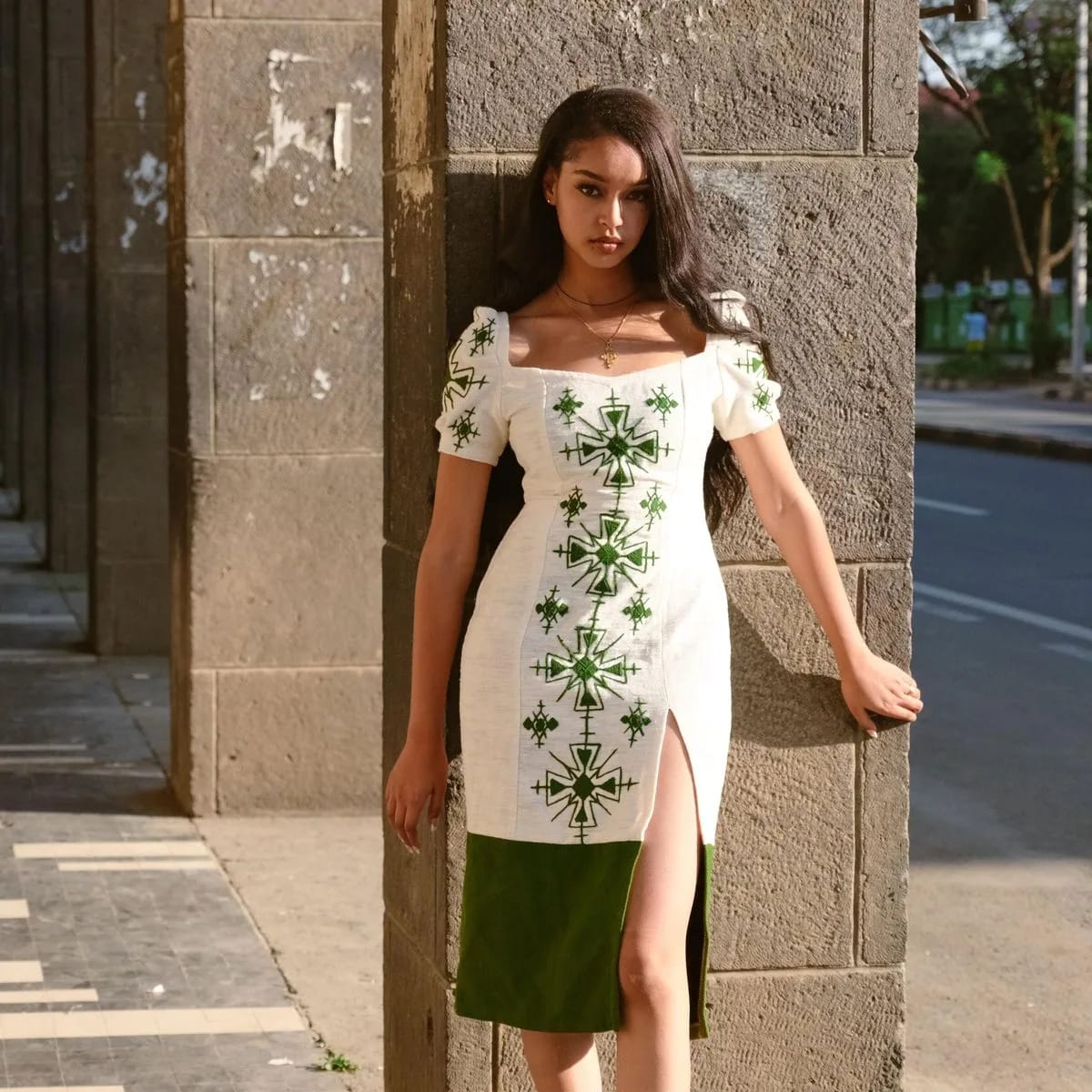
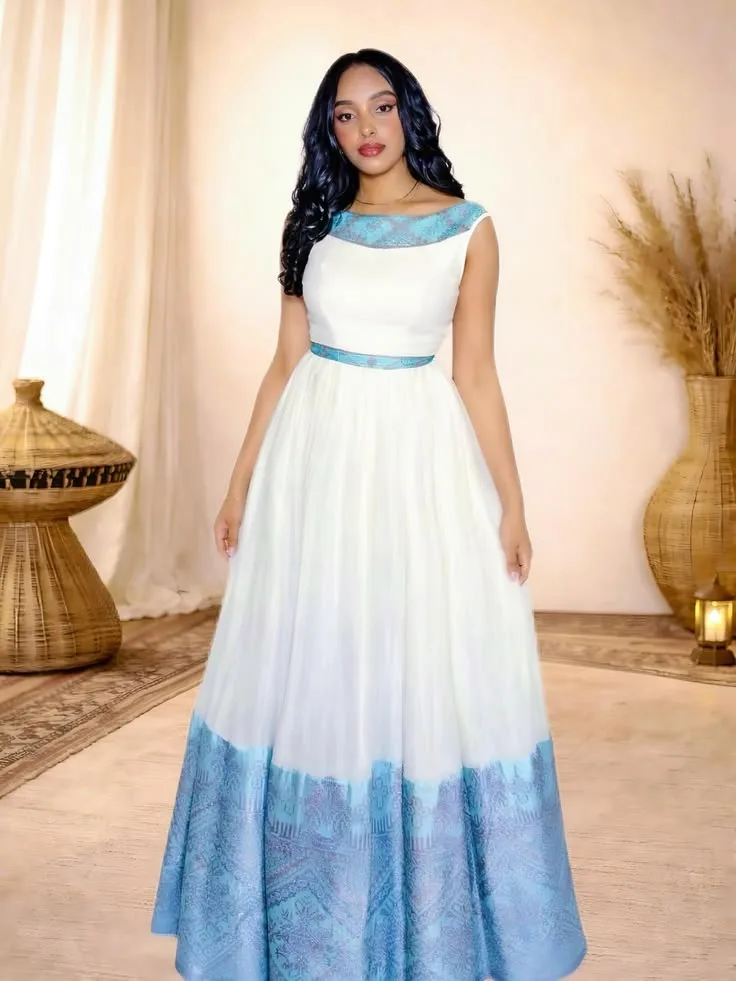
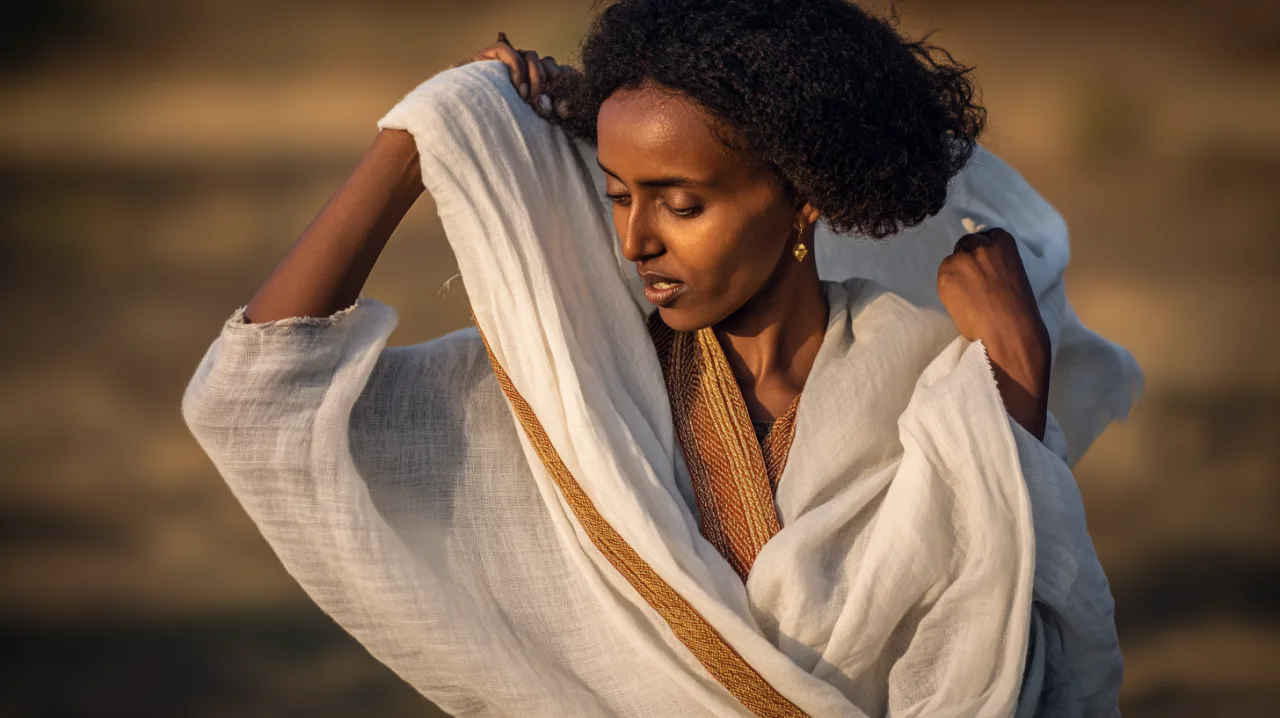
At the heart of a wedding-worthy kemis is the fabric itself. Genuine pieces are woven from high-thread-count cotton or fine silk, giving the garment a weight and drape that photographs beautifully and feels luxurious against the skin. The defining feature, however, is the Tilet embroidery — the intricate woven border that runs along the hem, neckline, and cuffs. Tilet is not applied after weaving; it is integrated directly into the loom work, which means every pattern is structurally part of the cloth rather than a decorative addition.
Color choice carries significant cultural meaning. White is the most traditional selection for a bride, symbolizing purity and new beginnings. Ivory offers a warmer, more contemporary alternative that photographs exceptionally well under Toronto's indoor venue lighting. Gold Tilet embroidery on a white or ivory base is the classic bridal combination, evoking the ceremonial richness of a traditional habesha wedding. Some brides are now choosing soft champagne or blush tones with silver Tilet for a modern interpretation that still honors the form.
The weight of the fabric also matters enormously for a wedding setting. A ceremonial kemis should have enough body to hold its shape through hours of dancing, photography, and celebration. Lightweight tourist-market versions simply will not perform the same way — and the difference will be visible in every photograph.
Authentic Hand-Loomed vs. Machine-Made: Why the Difference Matters
One of the most important distinctions any diaspora bride planning a habesha kemis wedding in Toronto must understand is the difference between a genuine handwoven kemis and a machine-made replica. The global market for traditional African and South Asian textiles has been flooded with factory-produced imitations, and habesha clothing is not immune to this trend.
A machine-made kemis is typically produced on industrial jacquard looms that can replicate the visual pattern of Tilet embroidery at a fraction of the time and cost. From a distance — or in a low-resolution social media photo — the two can look superficially similar. Up close, however, the differences are stark. Machine-made Tilet lacks the subtle irregularity that comes from human hands adjusting tension on a traditional loom. The thread count is often lower, the fabric thinner, and the overall garment lacks the structural integrity that makes a handwoven kemis last for decades.
Beyond aesthetics, there is a cultural integrity argument. When you wear a hand-loomed kemis at your wedding, you are participating in a living tradition that connects you to the weavers of Gondar, Addis Ababa, Axum, and the highlands of Eritrea. That connection is severed when the garment was produced in a factory with no relationship to those communities. For many diaspora brides, particularly those hosting ceremonies in Toronto where they want to share and celebrate their heritage with guests who may be unfamiliar with it, this distinction becomes a point of pride.
The price gap between authentic and replica pieces has also narrowed in recent years, making it even more critical to buy from a seller you can vet. A genuine handwoven wedding kemis from a master weaver may cost between $200 and $600 USD depending on complexity, while machine-made versions are often priced only slightly lower — making the authenticity question a matter of knowledge, not budget.
How to Order a Custom Habesha Kemis from Ethiopia to Toronto
Ordering a custom kemis from an artisan in Ethiopia or Eritrea for delivery to Toronto is entirely achievable in 2026, but it requires planning and clear communication. The process typically begins 3 to 6 months before your wedding date, with the actual weaving and embroidery work requiring anywhere from 6 to 12 weeks depending on the complexity of the Tilet pattern and the artisan's current workload.
When reaching out to an artisan or curated platform, come prepared with precise measurements. Unlike Western dress sizing, a traditional kemis is often made to specific body measurements rather than standard sizes. You will need your bust, waist, hip, shoulder width, and full-length measurements from shoulder to floor. Many experienced artisans will also ask for photos of your preferred neckline style and Tilet pattern, so it helps to have reference images ready.
Key questions to ask your artisan or seller before placing an order include: Is this garment hand-loomed on a traditional loom? What region of Ethiopia or Eritrea does the artisan work from? What is the fiber content — pure cotton, silk blend, or synthetic? What is the realistic shipping timeline to Toronto, including customs clearance? Does the price include any alterations or adjustments upon arrival? Getting clear answers to these questions upfront prevents misunderstandings and ensures your wedding kemis arrives as expected.
Shipping from Addis Ababa to Toronto typically takes 7–21 days depending on the carrier and customs processing. Build buffer time into your planning. If your wedding is in October, your order should ideally be placed no later than June to allow for weaving, finishing, shipping, and any minor alterations once the garment arrives.
Styling Your Habesha Kemis for a Toronto Wedding Venue
Toronto's wedding venues range from grand hotel ballrooms to intimate garden spaces and contemporary loft settings. The good news is that a well-chosen habesha kemis is one of the most versatile and visually striking bridal garments in the world — it works beautifully across all of these environments when styled thoughtfully.
The traditional pairing for a bridal kemis is the netela, a lightweight cotton shawl with its own Tilet border, worn draped over the shoulders or head. For a Toronto ceremony, the netela serves both a practical and symbolic function — it adds a layer of modesty and elegance during the religious or civil ceremony, and it can be removed for the reception to reveal the full kemis silhouette. Choosing a netela whose Tilet pattern complements rather than matches your kemis creates a layered, intentional look.
Traditional jewelry is another essential element. Habesha jewelry — including the iconic cross pendants, filigree earrings, and beaded necklaces associated with Ethiopian and Eritrean goldsmithing — elevates the kemis and signals cultural knowledge to guests who recognize the pieces. Toronto has a small but growing number of Ethiopian and Eritrean jewelry vendors, and pieces can also be sourced through curated diaspora marketplaces.
Modern brides are also finding creative ways to blend habesha tradition with contemporary accessories. A pair of elegant strappy heels in gold or ivory, a minimalist clutch, and softly styled natural hair or an elegant updo can bridge the traditional and the modern without diminishing either. The key is intentionality — every element should feel chosen, not accidental.
Dressing the Full Wedding Party in Habesha Attire
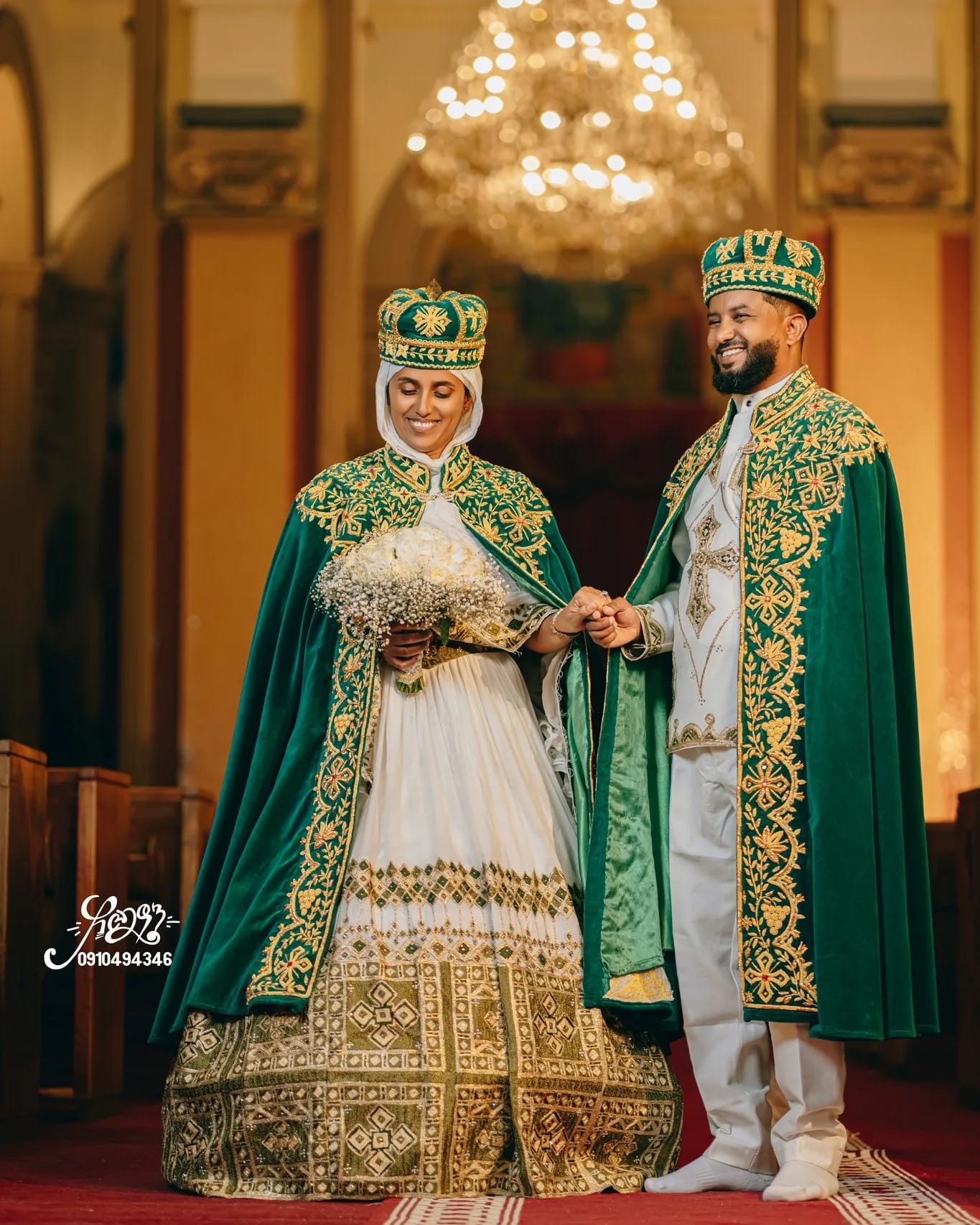
One of the most visually powerful choices a couple can make for a habesha kemis wedding in Toronto is to dress the entire wedding party in coordinated traditional attire. When executed well, the result is a celebration that feels genuinely rooted in culture rather than a single token gesture.
For bridesmaids, the most common approach is to select a shared Tilet color — burgundy, royal blue, or emerald green are popular choices — applied to white or ivory kemis or zuria (a slightly more fitted variation of the kemis). This creates visual cohesion while allowing each person's dress to remain an individual piece. Avoid ordering identical machine-made sets; the slight variations in hand-loomed pieces actually enhance the group aesthetic.
For groomsmen and male family members, the traditional habesha tunic — a white cotton shirt with Tilet embroidery at the collar and cuffs, paired with white trousers — is both elegant and deeply traditional. The groom may choose a more elaborate version with additional embroidery or a matching sash in the bride's Tilet color to visually link the couple. Sourcing matching men's and women's pieces from the same artisan or weaving region ensures the Tilet patterns are consistent across the wedding party.
Parents and elder family members often appreciate being included in the coordinated look as well. For mothers of the bride and groom, a kemis in a complementary color with a shared Tilet motif is a beautiful way to honor their role in the celebration.
Common Mistakes Diaspora Brides Make When Buying Online
The online market for habesha wedding clothing has grown significantly, but so have the pitfalls. The most common mistake diaspora brides make is purchasing from unverified sellers on general e-commerce platforms where product descriptions use words like "traditional" or "authentic" without any evidence to support those claims. A listing with beautiful photography can mask a machine-made garment with synthetic fabric.
A second frequent error is ordering too late. Many brides underestimate the lead time required for a custom handwoven piece and place orders 4–6 weeks before the wedding, only to receive the garment with no time for alterations or — in worst-case scenarios — not at all. For a habesha kemis wedding in Toronto, a 3-to-6-month planning window is the standard recommendation from experienced artisans.
Sizing is another common pain point. Providing only a dress size number rather than actual body measurements frequently results in a garment that doesn't fit correctly. Traditional kemis construction does not map neatly onto North American dress sizes, and artisans working in Ethiopia need precise centimeter measurements to produce an accurate fit. Always measure carefully and provide a full set of measurements, not just a size label.
Finally, some buyers neglect to ask about return or alteration policies before purchasing. A reputable seller will have a clear policy; a seller with nothing to offer if the garment arrives incorrectly is a red flag worth heeding before you hand over payment.
Why a Curated Marketplace Protects You and Supports Artisans
Platforms like derBaba exist precisely to solve the authenticity and trust problem that makes buying habesha wedding clothing online so challenging for diaspora shoppers. Rather than aggregating listings from anonymous sellers, a curated marketplace vets its artisans directly — verifying that garments are genuinely hand-loomed, that fiber content claims are accurate, and that the makers are based in Ethiopia or Eritrea.
For Toronto brides, this verification layer is invaluable. It means that when you purchase a wedding kemis through a platform like derBaba, you are not gambling on whether the beautiful photos match the actual product. You are buying with the confidence that the garment was made by a real artisan whose craft and livelihood are supported by your purchase.
The economic dimension matters too. When diaspora buyers purchase replicas from anonymous sellers, the money flows away from the communities whose culture the clothing represents. Authentic purchases ensure that master weavers in Gondar, Addis Ababa, and Asmara are fairly compensated — which in turn sustains the tradition itself. Cultural heritage clothing is only as alive as the artisans who make it.
In 2026, with international shipping more accessible than ever and digital communication making direct artisan relationships possible, there is no reason for a diaspora bride in Toronto to settle for anything less than the real thing. The tools to find, order, and receive an authentic habesha kemis are available — the key is knowing where to look and who to trust.
Conclusion: Your Wedding Kemis, Your Heritage
A habesha kemis wedding in Toronto is one of the most beautiful ways to celebrate Ethiopian or Eritrean heritage while building a new chapter of your own story in the diaspora. The dress you choose will appear in photographs you keep for a lifetime, will be seen by guests who may be encountering this tradition for the first time, and will connect you — physically and symbolically — to the weavers, the culture, and the ancestors who made this art form what it is.
The path to finding the right kemis involves understanding what authentic means, planning your timeline with care, asking the right questions of your sellers, and choosing platforms that hold themselves accountable to the artisans and the culture they represent. None of this is complicated once you know what to look for — and now you do.
Whether you are dressing yourself, your bridesmaids, your groomsmen, or your entire extended family, the resources exist to do it beautifully and authentically. Shop authentic habesha kemis and Ethiopian and Eritrean traditional clothing on derBaba — where every seller was visited in person in Addis Ababa, and every purchase keeps a living tradition alive.