Habesha Wear: The Ultimate Guide to Authentic Ethiopian Dress in 2026
Explore the meaning, styles, and occasions of habesha wear — from kemis to netela — and learn how to buy authentic pieces with confidence.
That habesha kemis your grandmother hand-stitched in Gondar tells a story no mass-produced outfit ever could — and knowing the difference could save your next celebration from feeling hollow. For Ethiopian and Eritrean families scattered across North America and Europe, habesha wear is one of the strongest physical threads connecting new generations to the highlands, rivers, and weaving houses their ancestors called home. In 2026, as diaspora communities grow larger and more connected online, understanding what makes habesha wear authentic has never mattered more.
This guide walks through the meaning of habesha wear, the regional weaving traditions behind it, the occasions that call for specific styles, and practical advice for buying genuine pieces — whether you're dressing for Enkutatash, a wedding, a baptism, or simply want to wear your heritage on an ordinary Tuesday.
Key Takeaways
- Habesha wear is the traditional clothing of Ethiopian and Eritrean cultures, including the kemis dress, netela shawl, zuria, and men's tunics.
- Authentic pieces are typically hand-woven from cotton and feature tilet embroidery, a raised-pattern technique tied to regions like Gondar, Tigray, and Bahir Dar.
- Different holidays and life events — Enkutatash, Timkat, Meskel, weddings, baptisms — each have their own color palettes and styling conventions.
- Handmade habesha garments cost more than mass-produced imitations because of the labor-intensive weaving and embroidery involved.
- Diaspora buyers should prioritize verified artisan marketplaces over generic retailers to avoid synthetic knockoffs.
- Modern designers are reimagining traditional silhouettes into everyday wear, giving younger generations more ways to stay connected to their roots.
What Is Habesha Wear?
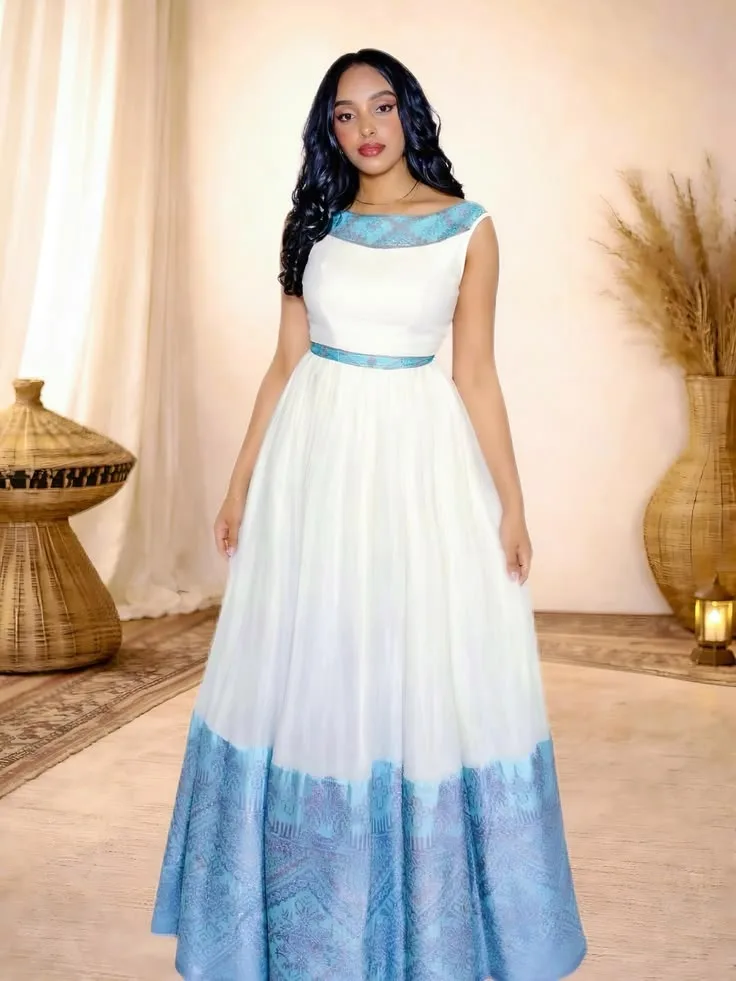
Habesha wear refers to the traditional clothing worn by Habesha people — a term broadly used for Ethiopian and Eritrean communities, particularly those from Amhara, Tigray, and related highland cultures. The category includes several distinct garments: the kemis, a long cotton dress worn by women; the netela, a lightweight gauze-like shawl often wrapped over the shoulders or head; the zuria, a fuller wrap-style dress common in Eritrean tradition; and various tunics and trousers worn by men, sometimes paired with a matching shawl called a gabi.
Each piece is more than an aesthetic choice. The fabric, weave density, and embroidery style can signal a wearer's regional background, family customs, or the specific occasion being honored. A netela woven with thick, colorful tilet borders might be reserved for a wedding, while a simpler white netela is appropriate for everyday religious observance. Understanding these distinctions is the first step toward wearing habesha clothing with genuine cultural fluency rather than surface-level imitation.
The Craft Behind Habesha Wear: Weaving, Cotton, and Tilet Embroidery
Authentic habesha wear begins with hand-spun or hand-loomed cotton, a labor-intensive process that has been passed down through generations of weavers in cities like Gondar, Bahir Dar, and across the Tigray region. Traditional looms produce a dense yet breathable fabric that drapes differently than the synthetic blends found in imitation garments sold at big-box retailers. This is often the first giveaway when comparing authentic pieces to mass-produced versions online.
Tilet embroidery is a centuries-old technique in which colorful threads are woven directly into the fabric's structure — not simply stitched on top — creating a raised, textured pattern that is distinctly Ethiopian and Eritrean.
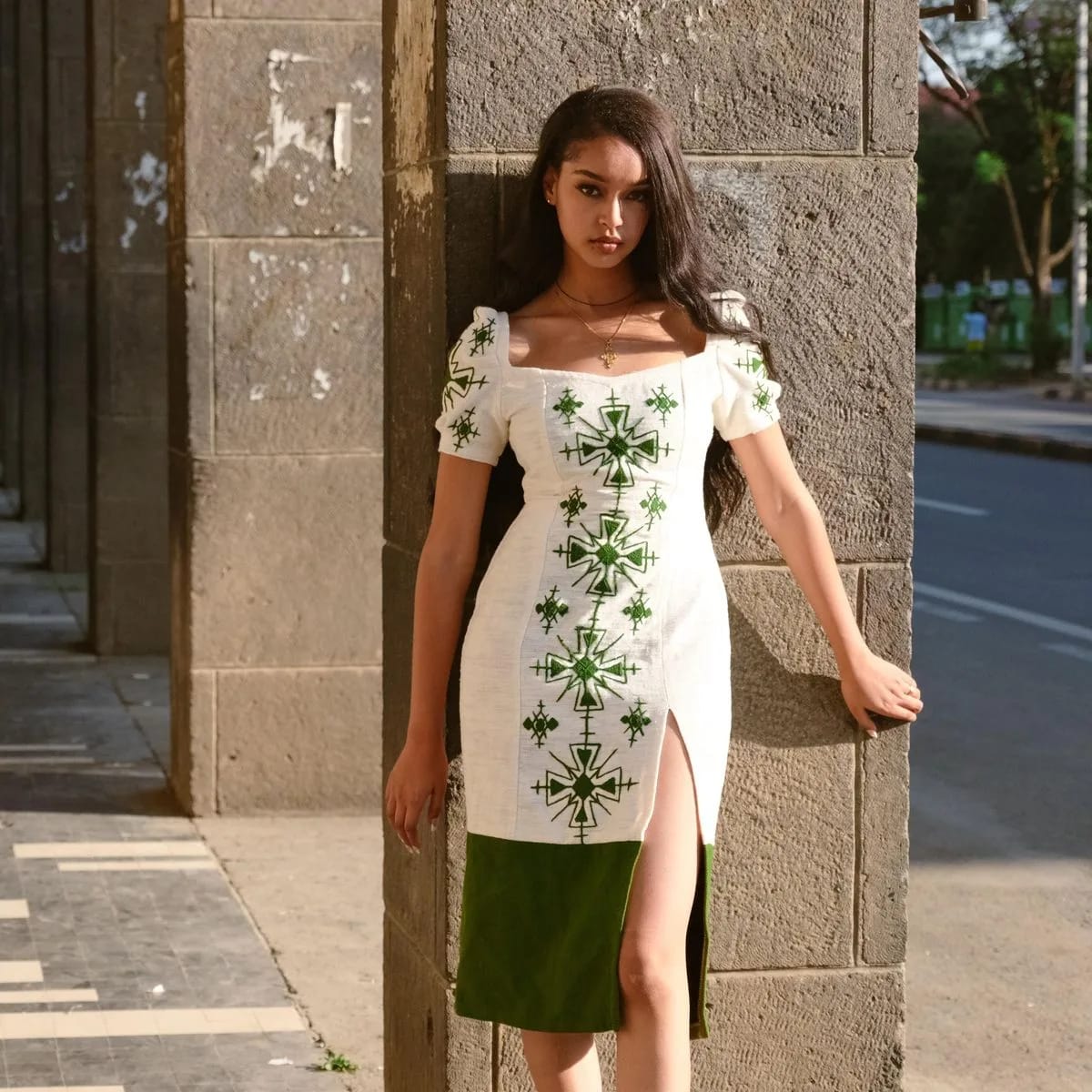
Tilet patterns vary by region and artisan family, often featuring crosses, geometric borders, and botanical motifs in red, gold, green, and black. In Gondar, weavers are especially known for intricate, dense tilet work along the hem and neckline of the kemis. Bahir Dar artisans, meanwhile, often incorporate wider color bands and bolder contrast, reflecting the Lake Tana region's distinct aesthetic lineage. When you purchase a piece with true tilet embroidery, you're not just buying a garment — you're supporting a skill set that takes years to master and that risks disappearing without consistent demand from diaspora buyers.
Habesha Wear for Every Occasion
Enkutatash and Meskel
Enkutatash, the Ethiopian New Year celebrated in September, calls for bright, celebratory habesha wear — often featuring yellow and gold tilet patterns that echo the Adey Abeba flowers associated with the holiday. Meskel, which commemorates the finding of the True Cross, follows a similar aesthetic, with many families choosing vibrant kemis and netela combinations accented with cross motifs. Both holidays are highly social occasions, and diaspora communities in cities like Washington D.C., Toronto, and London often organize community gatherings where traditional dress is expected and celebrated.
Timkat
Timkat, the Ethiopian Orthodox celebration of Epiphany in January, traditionally calls for all-white habesha wear, symbolizing purity and renewal. Women typically wear a white kemis with a white netela, sometimes with subtle, understated tilet trim rather than the bold colors used for New Year celebrations. Men often wear white tunics or trousers with a matching white gabi draped over the shoulder, mirroring the collective, uniform appearance of the procession.
Weddings and Baptisms
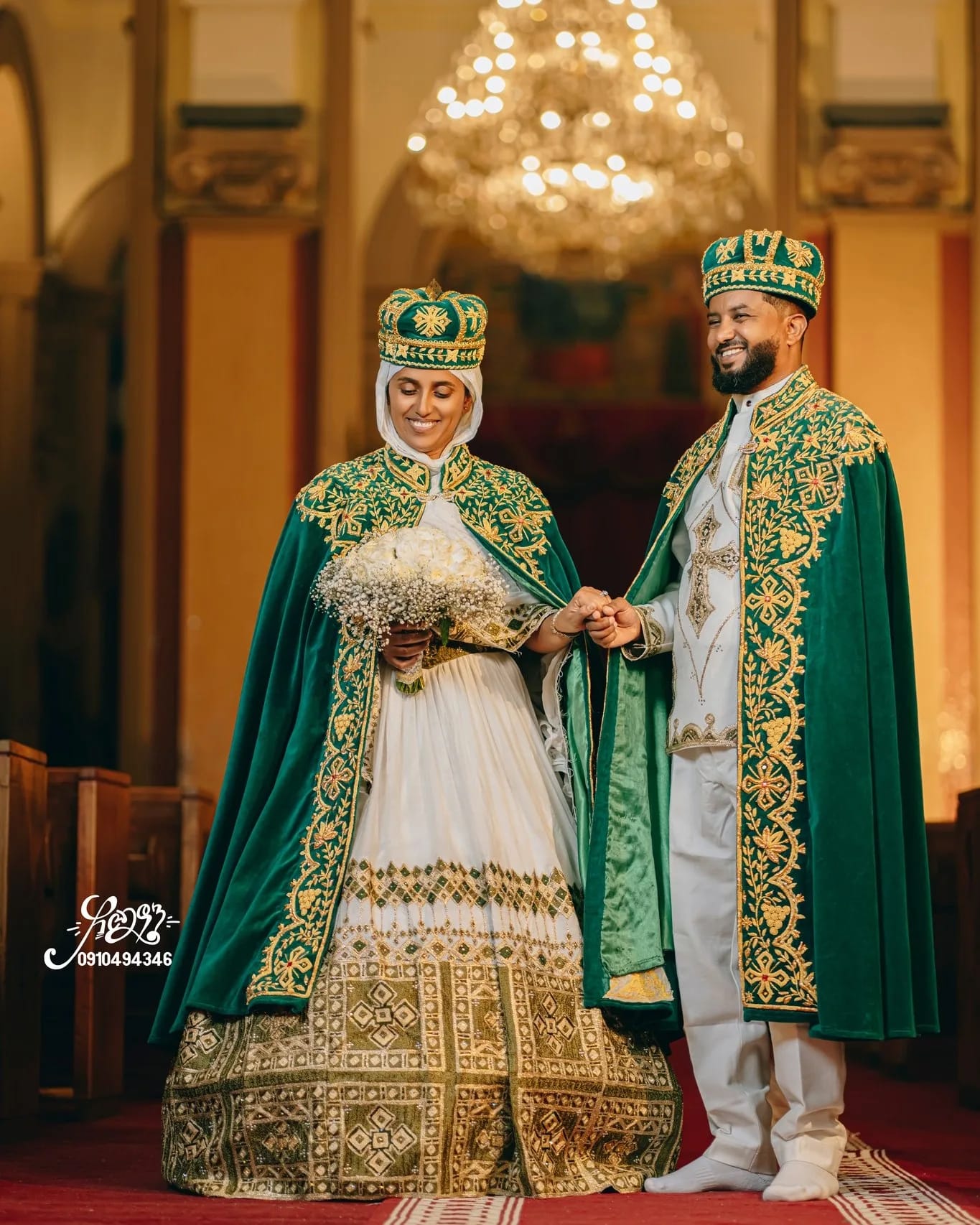
Ethiopian and Eritrean weddings are among the most elaborate showcases of habesha wear, with brides often commissioning custom kemis featuring dense, multi-color tilet embroidery that can take weeks to complete. Guests, too, dress formally, often in coordinated family colors or regional styles that reflect the couple's heritage. Baptisms call for a slightly more modest version of celebratory dress — families often choose a cream or soft-colored kemis and netela with moderate embroidery, striking a balance between festivity and reverence.
Authentic vs. Mass-Produced: What Diaspora Buyers Need to Know
The price difference between authentic and mass-produced habesha wear can be striking, and it comes down almost entirely to labor. A handwoven kemis with genuine tilet embroidery might take an artisan one to three weeks to complete, while a machine-printed imitation can be produced in minutes on an industrial line. That time investment is reflected in both the price tag and the quality — authentic pieces tend to hold their shape, color, and texture far longer than printed polyester alternatives.
Diaspora buyers searching online often encounter a flood of imitation habesha wear marketed with similar keywords but none of the craftsmanship. Common red flags include unnaturally uniform embroidery patterns (a sign the pattern is printed, not woven), synthetic fabric blends listed in the product description, and prices that seem too low for the amount of detail shown in photos. Because the diaspora market is large and growing — with significant Ethiopian and Eritrean communities in the United States, Canada, the United Kingdom, Germany, and Sweden — demand has outpaced the supply of easily accessible, verified artisan sellers.
Finding Verified Artisan Marketplaces
The most reliable way to buy authentic habesha wear as a diaspora shopper is to work directly with marketplaces that vet their artisans and disclose fabric origin, weaving region, and embroidery technique. This transparency matters both for quality assurance and for ensuring that the economic benefit of your purchase actually reaches the weavers and seamstresses who made it, rather than a middleman reselling imitation stock.
When evaluating an online seller, look for specific details: Does the listing name the region where the fabric was woven? Does it describe whether the embroidery is hand-done tilet or machine-printed? Are there clear photos showing fabric texture up close, not just styled model shots? Platforms built specifically around Ethiopian and Eritrean heritage goods — rather than generic global marketplaces — are far more likely to provide this level of detail because authenticity is central to their business model, not an afterthought.
Caring for Your Habesha Garments
Hand-woven cotton habesha wear requires gentler care than typical modern clothing. Hand-washing in cool water with a mild detergent helps preserve both the fabric's natural texture and the integrity of tilet embroidery threads, which can fray or loosen under harsh machine agitation. Air-drying flat, away from direct sunlight, prevents the vibrant reds, golds, and greens in the embroidery from fading prematurely.
Storage matters too. Folding a kemis or netela along its natural seams and storing it in a breathable cotton bag — rather than plastic, which can trap moisture — helps prevent mildew and yellowing over time, especially for white garments worn during Timkat. Many diaspora families treat these garments as heirlooms meant to be passed down, and with proper care, a well-made habesha kemis can genuinely last for decades, eventually finding its way onto a daughter or granddaughter for her own wedding or holiday celebration.
Modern Interpretations: Habesha Wear for Everyday Life
A growing number of Ethiopian and Eritrean designers are reimagining traditional silhouettes for daily wear, blending the breathable cotton and tilet detailing of classic habesha wear with modern cuts like fitted dresses, blazers, and separates. This shift matters enormously for second-generation diaspora shoppers who want to express their heritage outside of major holidays but may not feel comfortable wearing a full formal kemis to work or school. A netela-inspired scarf, a tilet-trimmed top, or a modern wrap dress with traditional embroidery accents offers a middle ground between cultural pride and everyday practicality.
This modern movement also helps sustain the artisan economy behind habesha wear by creating demand beyond the relatively narrow holiday and wedding season. When designers commission smaller, everyday pieces using the same hand-weaving and tilet techniques, it gives traditional artisans more consistent, year-round work rather than relying solely on seasonal spikes around Enkutatash or wedding season. For diaspora families raising children abroad, these contemporary pieces can also serve as an accessible entry point — a way for younger generations to grow comfortable wearing elements of their heritage before graduating to full traditional dress for major life events.
Conclusion: Wear Your Heritage With Confidence
Habesha wear carries centuries of craftsmanship, regional identity, and family memory in every woven thread and embroidered border. Whether you're preparing for Enkutatash, a wedding, a baptism, or simply want a piece that connects you to home, choosing authentic, handmade garments honors the artisans who keep these traditions alive and ensures the story woven into the fabric remains intact for the next generation. As the diaspora community continues to grow across North America and Europe, supporting verified artisan marketplaces is one of the most meaningful ways to keep Ethiopian and Eritrean weaving traditions thriving.
Ready to find a piece that fits your story? Shop authentic habesha kemis and Ethiopian & Eritrean traditional clothing on Derbaba, where every garment is sourced with respect for the artisans and traditions behind it.