Netela Scarf Canada: Buy Authentic Ethiopian Wraps in 2026
Find authentic Ethiopian netela scarves in Canada. Learn how to identify handwoven netelas, where to buy them, and how to wear your heritage with pride.
Illustration
Key Takeaways
- The netela is a handwoven Ethiopian cotton wrap with deep spiritual and cultural significance, worn at church, weddings, and national celebrations.
- Authentic netelas are distinguished by hand-spun cotton, traditional tilet border embroidery, and regional weaving styles from Addis Ababa, Gondar, and Tigray.
- Ethiopian and Eritrean diaspora communities across Canada actively seek genuine netelas for baptisms, graduations, Timkat, and Enkutatash celebrations.
- Machine-made imitations lack the texture, weight, and symbolic integrity of a true handwoven netela — knowing the difference matters.
- Curated platforms like derBaba now make it easier than ever to ship authentic handwoven netelas directly to Canadian buyers.
- Proper care — gentle hand washing, air drying, and careful folding — preserves a handwoven netela as a lasting heirloom.
More Than a Scarf: The Living Symbol of Ethiopian Identity
The netela is more than a scarf — it is a living symbol of Ethiopian identity, woven into every blessing, ceremony, and celebration. Draped over the shoulders at dawn liturgies, wrapped around a bride on her wedding day, and folded carefully for the journey to a new country, the netela travels with its wearer through every chapter of life. For Ethiopians and Eritreans living in Canada, this simple length of white cotton carries the weight of home, community, and belonging. If you are searching for an authentic netela scarf in Canada, understanding what you are looking for — and why it matters — is the first step.
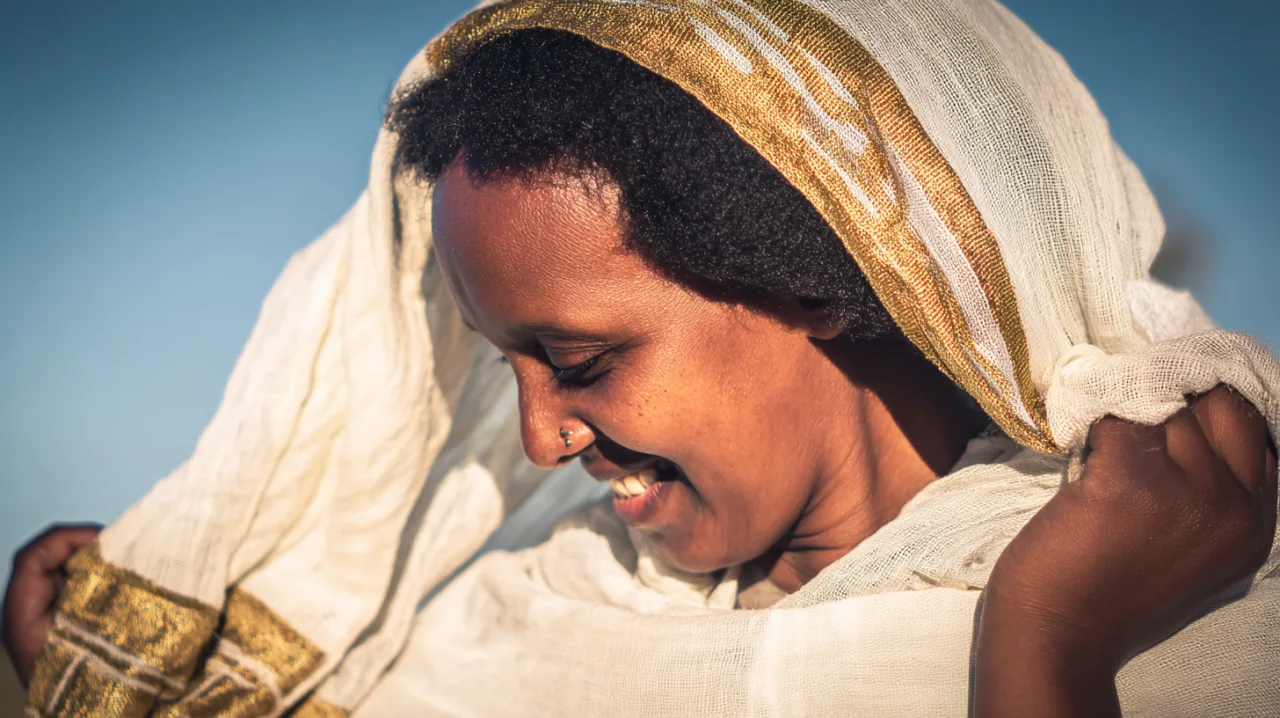
The netela (also spelled netella or netsela) is a rectangular cotton wrap, typically between two and three meters long, worn primarily by women but also by men in religious contexts. It is not a fashion accessory in the Western sense. Rather, it is a garment with spiritual and social meaning that shifts depending on how it is worn, when it is worn, and what embroidery adorns its borders. Across the Ethiopian highlands and the Eritrean plateau, the netela is as recognizable and culturally significant as any national symbol.
Cultural and Spiritual Significance of the Netela
To understand why diaspora Canadians go to considerable lengths to find an authentic netela scarf, you first need to understand the garment's role in Ethiopian Orthodox Christian life. The Ethiopian Orthodox Tewahedo Church, one of the oldest Christian denominations in the world, requires women to cover their heads and shoulders during services. The netela fulfills this requirement with grace and elegance, serving simultaneously as a religious covering and a statement of cultural identity. It is worn to Sunday liturgies, major feasts, and the all-night vigils that mark the Ethiopian Orthodox calendar.
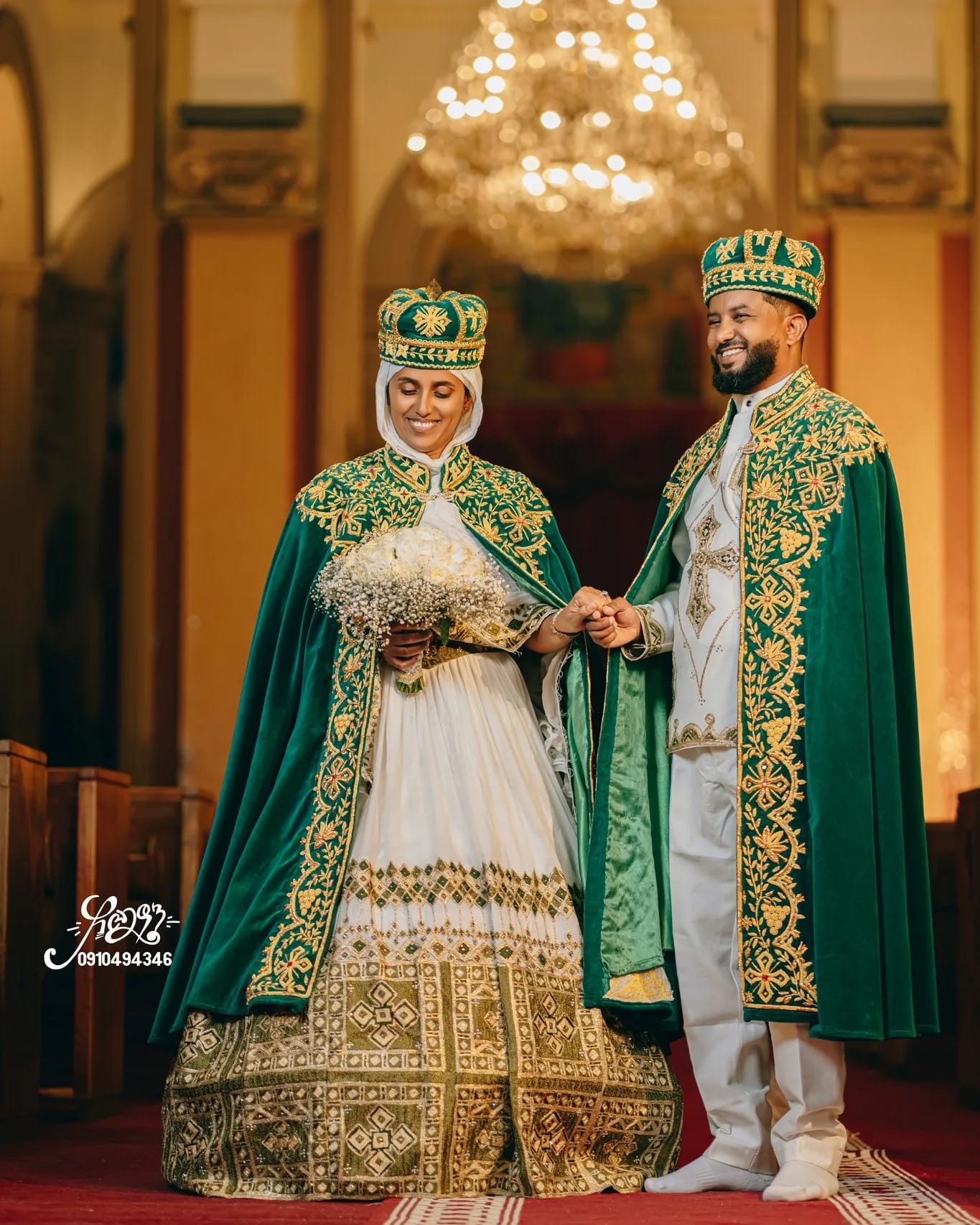
Beyond the church, the netela appears at every significant life event. At weddings, both the bride and female guests drape netelas over their habesha kemis — the traditional embroidered dress — creating a unified aesthetic of white and gold that is immediately recognizable as Ethiopian. At baptisms, mothers wrap their newborns and themselves in netelas as they enter the church for the first time. During national holidays like Timkat (Ethiopian Epiphany, celebrated in January) and Enkutatash (Ethiopian New Year, celebrated in September), communities gather in their finest netelas, the white fabric gleaming under the sun as a collective expression of pride and faith.
The Netela in Eritrean Tradition
While the netela is most commonly associated with Ethiopia, it is equally central to Eritrean cultural life. Eritrean women wear the netela — sometimes called zuria in combination with the dress it accompanies — for church, weddings, and community gatherings. The weaving traditions of Eritrea share deep historical roots with those of the Tigray region of Ethiopia, and the embroidered border patterns, known as tilet, often reflect this shared heritage. For Eritrean diaspora communities in Canada, finding an authentic netela is just as meaningful and sometimes just as challenging as it is for their Ethiopian neighbors.
What Makes a Netela Authentic: Hand-Spun Cotton and the Tilet Border
The single most important marker of an authentic netela is the fabric itself. Genuine netelas are woven from hand-spun Ethiopian cotton on traditional looms, a process that produces a fabric with a distinctive texture — slightly irregular, breathable, and with a soft luminosity that machine-made cotton simply cannot replicate. When you hold an authentic netela, it has a gentle weight and drape that feels substantive without being heavy. It breathes against the skin in a way that synthetic blends or machine-woven imitations do not.
The tilet — the embroidered or woven border that runs along the edges of the netela — is the second key indicator of authenticity and regional origin. In Addis Ababa, tilet patterns tend to be dense and geometric, often incorporating gold or colored thread in elaborate repeating motifs. Gondar-style netelas are known for their bold, wide borders with strong color contrasts, while Tigray weaving traditions produce finer, more intricate patterns with a distinctly different color palette. These regional distinctions are not merely decorative — they encode the weaver's identity and the garment's place of origin.
Spotting Machine-Made Imitations
As demand for Ethiopian textiles has grown globally, the market has been flooded with machine-made imitations that mimic the appearance of a netela without honoring its craft. These imitations are typically made from uniform, factory-spun cotton or polyester blends, and the tilet is often printed rather than woven or embroidered. The borders lack the slight variation in thread density that characterizes handwork, and the fabric itself feels flat and lifeless compared to the genuine article. For diaspora buyers in Canada who want to honor the cultural meaning of the garment, settling for an imitation is a meaningful loss — not just an aesthetic one.
When shopping for a netela scarf in Canada, look for sellers who can describe the weaving origin of their pieces and who source directly from Ethiopian artisan weavers. Phrases like "handwoven," "hand-spun cotton," and "artisan-made" should be accompanied by specific information about the weaving region and the artisan community involved. Transparency in sourcing is the clearest signal that a seller is offering the real thing.
The Ethiopian and Eritrean Diaspora in Canada: Why Authentic Textiles Matter
Canada is home to one of the largest Ethiopian and Eritrean diaspora communities outside of Africa and the United States. Cities like Toronto, Ottawa, Edmonton, Calgary, and Vancouver have vibrant habesha communities with active cultural organizations, Ethiopian Orthodox churches, and community events that follow the Ethiopian calendar. For these communities, maintaining cultural traditions — including the wearing of traditional garments — is a deliberate act of identity preservation, especially for second-generation Canadians who may have been born far from the highlands of Ethiopia or Eritrea.
The demand for authentic netela scarves in Canada spikes around major Ethiopian and Eritrean cultural holidays. Timkat celebrations in January draw hundreds of community members in traditional dress. Enkutatash in September is marked by community gatherings where netelas are worn with pride. Ethiopian Christmas (Genna, celebrated in January) and the feast of the Ethiopian patron saints bring communities together at churches across the country. For all of these occasions, wearing an authentic, handwoven netela is a way of saying: I am here, I remember, and I carry this with me.
Netelas for Milestones: Baptisms, Graduations, and Weddings
Beyond the annual calendar, individual milestones create consistent demand for authentic netelas among diaspora Canadians. Ethiopian and Eritrean families mark baptisms with particular reverence — the mother's netela at a baptism ceremony is a moment of deep cultural and spiritual significance. Graduations, too, have become occasions for habesha dress, with many young Ethiopian-Canadians choosing to wear a netela or habesha kemis at their convocation ceremonies as a statement of dual identity. Weddings in the diaspora often blend Western and Ethiopian traditions, with the habesha ceremony requiring authentic textiles that simply cannot be sourced at a local fabric store.
How to Style a Netela in Canada
One of the most beautiful things about the netela is its versatility. In its most traditional form, it is draped over both shoulders and gathered at the front, covering the head when entering a church and falling gracefully to the waist or below. But diaspora women have developed a range of contemporary styling approaches that honor the garment's origins while adapting it to life in Canada.
Draped over a habesha kemis — the white embroidered dress that is the netela's natural companion — the netela creates the complete traditional look that is appropriate for church services, weddings, and formal cultural events. But a netela can also be layered over a simple white dress or even modern clothing for a cultural event where full traditional dress is not required. Some women wear the netela as a shoulder wrap over a blazer for professional events, or fold it into a wide headscarf for church. The garment's long, rectangular form makes it adaptable without compromising its dignity.
Seasonal Styling for Canadian Climates
Canadian winters present a practical challenge for netela wearers. The traditional handwoven cotton, while beautifully breathable in the Ethiopian highlands, requires layering in a Toronto January or an Edmonton February. Many diaspora women layer their netela over a fitted white turtleneck or thermal underlayer for outdoor events, preserving the visual integrity of the traditional look while staying warm. For indoor church services and celebrations, the netela's natural weight is perfectly comfortable even in Canadian winters, and the act of draping it upon entering a warm, candlelit church carries its own sense of arrival and belonging.
Shopping for Authentic Netela Scarves in Canada: What to Look For
Finding an authentic netela scarf in Canada requires knowing where to look. Local Ethiopian grocery stores and cultural shops in cities like Toronto and Ottawa sometimes carry netelas, but stock can be inconsistent and provenance is not always clear. The most reliable way to access authentic, handwoven netelas is through curated online platforms that connect diaspora buyers directly with sellers in Addis Ababa.
When evaluating an online seller, ask the following questions: Does the seller describe the specific weaving region of origin? Are the netelas described as handwoven from hand-spun cotton? Is there information about the artisan community or cooperative that produced the garment? Does the seller offer different weights and tilet styles, reflecting genuine knowledge of the product? A seller who can answer these questions with specificity is far more likely to be offering an authentic product than one who simply uses the word "traditional" as a marketing term.
Shipping Ethiopian Textiles to Canada
Shipping handwoven textiles from Ethiopia to Canada has become significantly more accessible in 2026, thanks to platforms that specialize in connecting diaspora communities with artisan producers. Customs duties on handwoven textiles imported into Canada vary depending on the declared value and the specific tariff classification, so it is worth checking the Canada Border Services Agency guidelines or consulting with the seller about typical import costs. Reputable sellers will be transparent about shipping timelines and customs procedures, and many have established efficient shipping routes specifically for the Canadian diaspora market.
Caring for Your Handwoven Netela
A genuine handwoven netela, properly cared for, can last for decades and become a treasured family heirloom. The care requirements are straightforward but important. Hand washing in cool water with a gentle, pH-neutral detergent is strongly recommended — machine washing, even on a delicate cycle, can distort the hand-spun cotton fibers and damage the tilet embroidery over time. Avoid wringing or twisting the fabric; instead, gently press out excess water and lay the netela flat or hang it to air dry away from direct sunlight, which can yellow the white cotton.
Ironing a netela should be done on a low to medium heat setting, with the garment slightly damp, to restore its smooth drape without scorching the cotton or flattening the texture of the tilet. Store your netela folded (not rolled) in a cool, dry place, ideally wrapped in acid-free tissue paper if it will be stored for an extended period. Avoid cedar balls or strong chemical moth repellents near handwoven cotton, as these can affect the fabric's natural fibers over time. With this level of care, a handwoven netela purchased today can be passed to the next generation as a living piece of Ethiopian heritage.
Conclusion: Wear Your Heritage With Pride
The netela scarf is not simply a piece of cloth — it is a thread connecting Ethiopian and Eritrean diaspora communities in Canada to the highlands, the churches, the celebrations, and the ancestors they carry with them. In 2026, the ability to access authentic, handwoven netelas without leaving Canada has never been greater, but it still requires intentionality: knowing what to look for, choosing sellers who honor the craft, and understanding the cultural weight of what you are wearing. Whether you are draping a netela for Timkat in Toronto, wrapping it around your shoulders for a wedding in Calgary, or gifting one to a daughter born in Vancouver who has never seen Addis Ababa, you are participating in an act of cultural continuity that matters deeply.
Shop authentic habesha kemis and Ethiopian and Eritrean traditional clothing — including handwoven netelas sourced directly from sellers in Addis Ababa — on derBaba. Wear your heritage with the pride and care it deserves.