Timket Dress in Canada: Shop Authentic Habesha Styles in 2026
Find authentic Timket dresses in Canada — hand-woven habesha kemis with tilf borders from Addis Ababa sellers, perfect for Timkat 2026.
Illustration
Quick Answer: Timket Dress in Canada
- Timket (Timkat) is Ethiopia's Epiphany celebration held on January 19th — one of the most important occasions for wearing traditional habesha clothing.
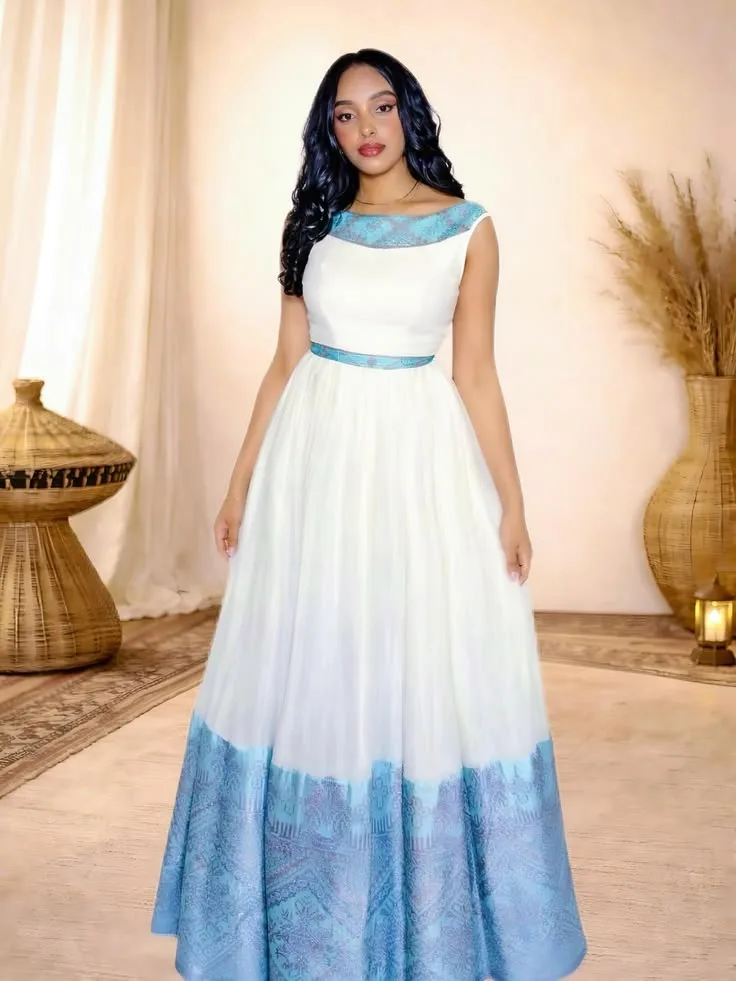
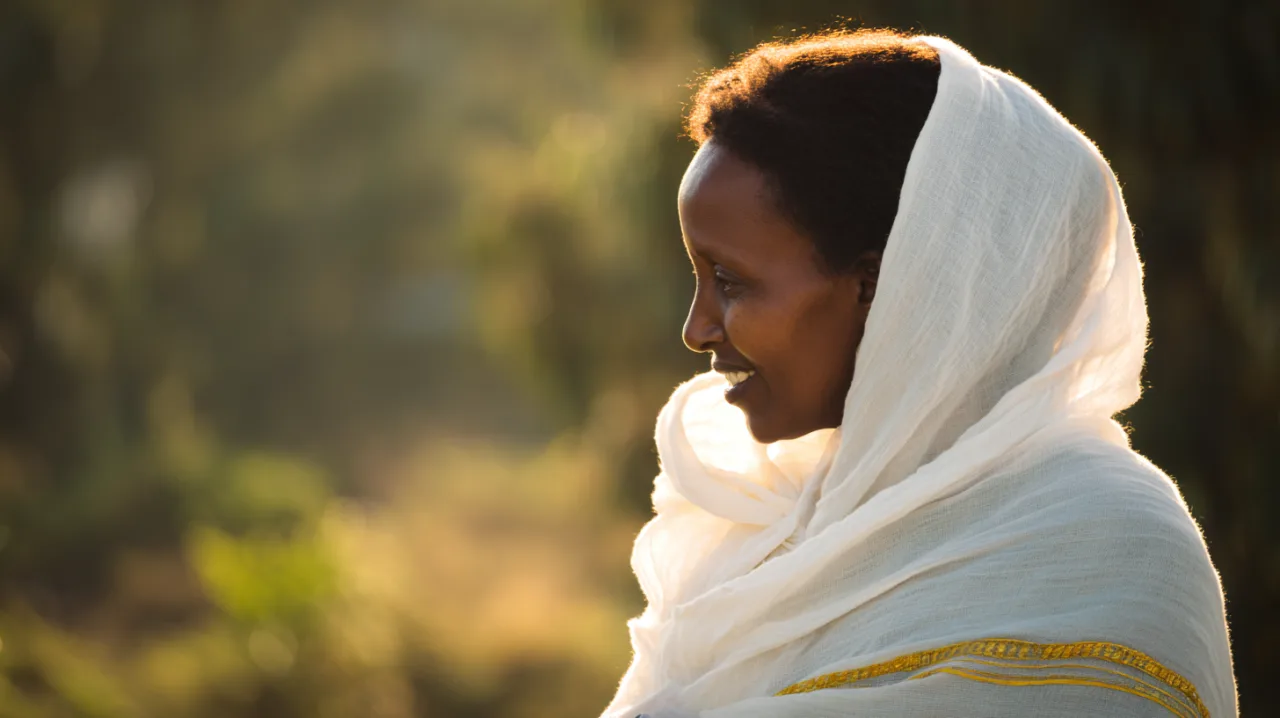
- The authentic Timket dress is a white habesha kemis with hand-woven tilf borders in gold, green, or red, paired with a netela or gabi shawl.
- Ethiopian and Eritrean diaspora communities in Toronto, Edmonton, Ottawa, and Calgary host Timkat processions that call for genuine ceremonial attire.
- Authentic Timket attire in Canada is best sourced through curated online marketplaces that connect buyers directly with independent sellers in Addis Ababa.
- Look for hand-woven cotton fabric, genuine tilf embroidery, and seller verification from recognized Ethiopian craft regions.
- Order at least 3–4 weeks before January 19th to allow for artisan crafting, international shipping, and alterations.
Why Timket Calls for Authentic Dress
Timket is one of the most visually stunning celebrations in the Ethiopian Orthodox calendar — and finding the right dress in Canada shouldn't mean settling for something that misses the mark. Whether you're attending a Timkat procession in Toronto, Edmonton, or Vancouver, your habesha kemis should carry the full weight of the occasion. This is not simply a matter of fashion; it is a deeply personal act of cultural memory and spiritual reverence.
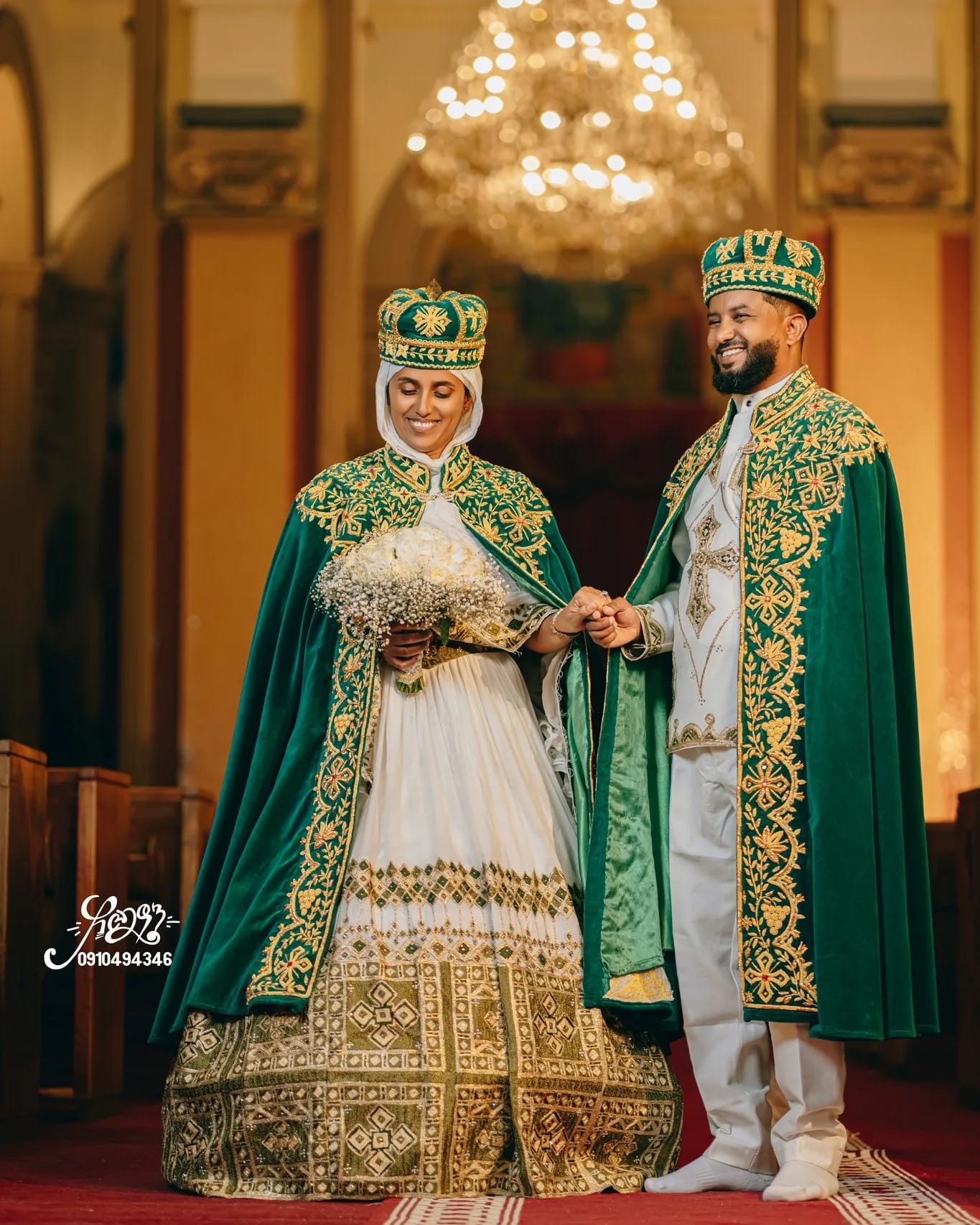
Timkat, observed on January 19th each year (or January 20th in leap years), commemorates the baptism of Jesus Christ in the Jordan River. In Ethiopia, the celebration draws millions into the streets in brilliant white garments, creating a sea of ceremonial beauty that is recognized as one of the world's great cultural spectacles. For the Ethiopian and Eritrean diaspora across Canada, replicating that experience — even in the cold of a Canadian January — is an act of profound belonging.
The significance of dressing correctly for Timket extends beyond aesthetics. White symbolizes purity and spiritual renewal; the hand-woven tilf borders in gold, green, or red reflect the colors of the Ethiopian flag and carry centuries of symbolic weight. Wearing a mass-produced imitation not only diminishes the personal experience but can feel like a disconnection from the very heritage the celebration honors.
The Anatomy of an Authentic Timket Dress
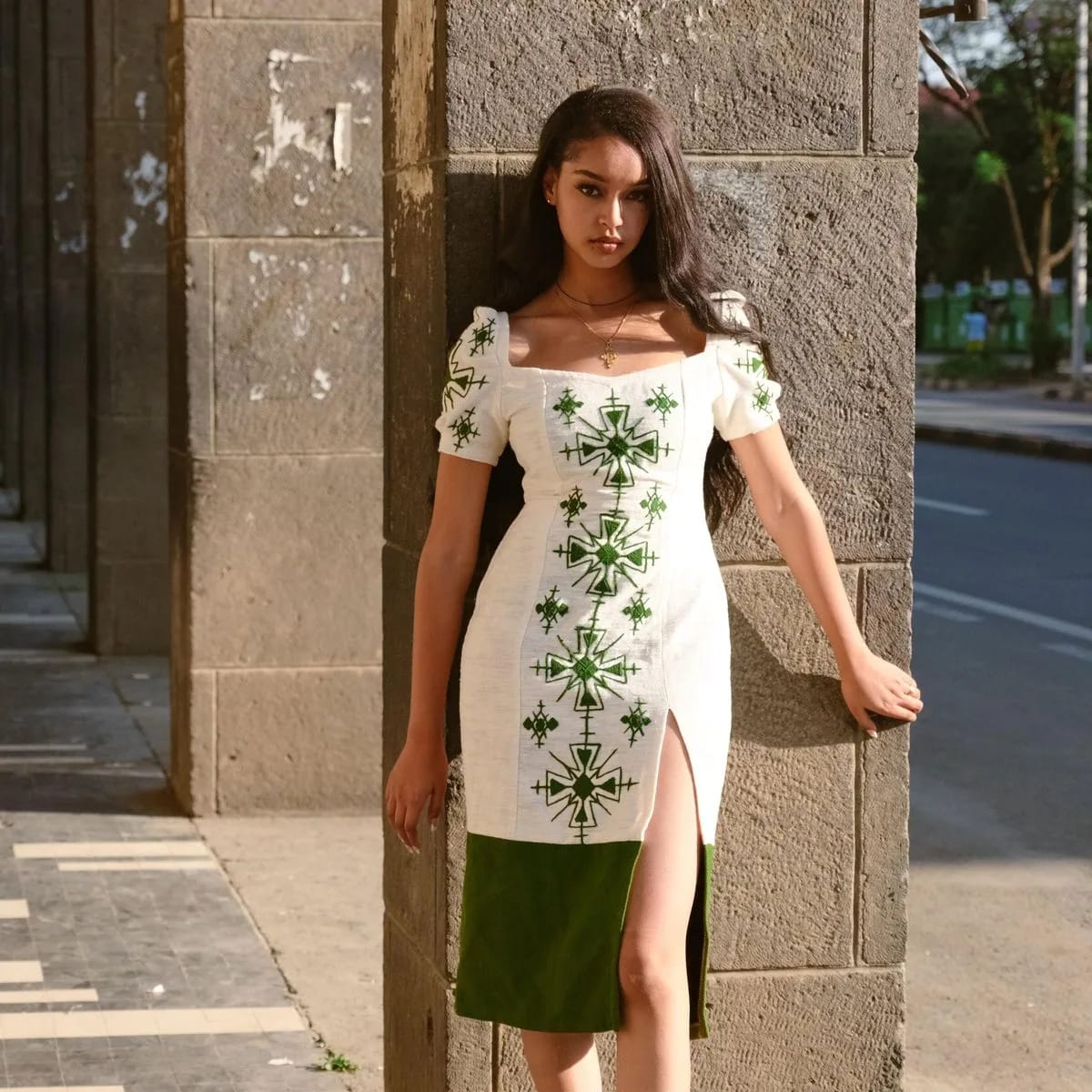
Understanding what makes a genuine Timket dress requires knowing its components. The foundation is the habesha kemis, a floor-length or ankle-length dress traditionally made from hand-woven white cotton. The fabric itself — often called shemane or hand-loomed Ethiopian cotton — has a distinctive texture that no synthetic fabric can replicate. It breathes naturally, drapes beautifully, and ages with grace.
The defining visual element of the habesha kemis is the tilf border, a hand-woven decorative strip that runs along the hem, cuffs, and neckline. Tilf work is produced by skilled weavers — often in the regions of Gondar, Bahir Dar, and parts of Addis Ababa — who use traditional wooden looms to weave intricate geometric and floral patterns. Gold tilf is the most common choice for Timket, signifying celebration and spiritual occasion, while green and red accents tie the garment to national and cultural identity.
The Role of the Netela Shawl
No Timket outfit for women is complete without a netela — a lightweight, hand-woven cotton shawl draped over the shoulders and head during the ceremony. The netela serves both a practical and symbolic function: it provides modest coverage appropriate for church attendance and processions, and it signals participation in a shared cultural ritual. A thicker version, the gabi, is traditionally worn by men and offers warmth — a practical consideration for Canadian January temperatures.
The quality of a netela is judged by the fineness of its weave and the precision of its tilf border. Authentic netelas are hand-woven and feel distinctly different from machine-made alternatives — lighter, more breathable, and with a subtle irregularity in the weave that is the hallmark of human craftsmanship. When sourcing a timket dress in Canada, always inquire whether the accompanying netela is hand-woven or machine-produced.
Regional Variations in Habesha Kemis Design
Ethiopia is a country of extraordinary cultural diversity, and habesha kemis designs vary meaningfully by region. Garments from the Amhara region — particularly around Gondar and Lalibela — tend to feature bold, wide tilf borders with deep geometric patterns. Tigrinya-influenced kemis from the Tigray region and Eritrea often incorporate finer embroidery and slightly different silhouettes, with more structured necklines. Understanding these regional differences allows diaspora buyers to choose a garment that reflects their specific heritage.
For Eritrean Canadians, the zuria — the Eritrean equivalent of the habesha kemis — shares many visual similarities but carries its own distinct regional identity. Both garments are appropriate for Timkat celebrations and are often sold alongside each other by knowledgeable artisan vendors. A quality seller will be able to distinguish between these traditions and help you choose accordingly.
Timket Celebrations Across Canada: Where the Community Gathers
Canada is home to one of the largest Ethiopian and Eritrean diaspora communities outside Africa. Cities like Toronto, Edmonton, Ottawa, and Calgary host vibrant Timkat celebrations that draw hundreds — sometimes thousands — of community members to Ethiopian Orthodox churches and outdoor processions. These gatherings are among the most important cultural events in the diaspora calendar.
In Toronto, the Ethiopian Orthodox Tewahedo Church community organizes annual Timkat processions that wind through neighborhoods with significant Ethiopian populations. Edmonton, which has one of Canada's largest Ethiopian communities per capita, hosts celebrations that often span multiple days. Ottawa and Calgary have growing communities that organize Timkat services with increasing visibility and attendance each year.
Attending these events in authentic Timket dress is both a personal statement and a communal one. When the congregation gathers in white habesha kemis and netela shawls, the collective visual effect reinforces a shared identity that transcends borders and generations. For children of the diaspora born in Canada, wearing traditional dress to Timkat is often their most direct, tangible connection to their parents' and grandparents' homeland.
The Challenge of Finding Authentic Timket Dress in Canada
Despite the size and vibrancy of Ethiopian and Eritrean communities across Canada, sourcing a truly authentic timket dress in Canada remains genuinely difficult. Most Canadian cities — even those with large diaspora populations — have very few dedicated habesha clothing retailers. The handful of Ethiopian grocery stores or cultural shops that do carry clothing often stock a limited, inconsistent selection that may not meet the quality standards expected for a ceremony as significant as Timket.
The core problem is one of supply chain and verification. Authentic habesha kemis are made by skilled artisans using traditional hand-looming techniques that cannot be rushed or mass-produced. The weavers who produce the finest tilf work are concentrated in specific regions of Ethiopia — particularly around Gondar, Bahir Dar, and parts of Addis Ababa — and their output is limited by the time and skill required for each piece. Getting those garments to Canada reliably, with quality assurance and fair compensation for the artisans, requires a distribution model that most local retailers simply cannot support.
Why Generic Online Marketplaces Fall Short
General e-commerce platforms present their own challenges for buyers seeking authentic Timket attire. Listings on large, unverified marketplaces often use terms like "Ethiopian dress" or "habesha kemis" to describe machine-made, synthetic garments produced in bulk with no connection to Ethiopian craft traditions. Without the ability to verify the origin, materials, or maker of a garment, buyers risk purchasing something that looks superficially similar but lacks the cultural authenticity and physical quality of a genuine piece.
The most reliable way to identify an authentic habesha kemis is through seller verification. This means knowing that the seller works directly with artisans in recognized Ethiopian craft regions, that the fabric is confirmed as hand-woven cotton rather than synthetic blends, and that the tilf borders are genuinely hand-woven rather than machine-printed approximations. These distinctions matter enormously to buyers who understand what they're looking for — and to the artisans whose livelihoods depend on the value of their craft being recognized.
How to Source Authentic Timket Attire as a Canadian Buyer
The most effective solution for diaspora Ethiopians and Eritreans seeking authentic timket dress in Canada is to use curated online platforms that focus on authentic habesha clothing and connect buyers directly with sellers in Addis Ababa. derBaba is one such platform — a marketplace built specifically for the Ethiopian and Eritrean diaspora that vets its sellers and focuses on authentic traditional clothing and cultural goods.
When evaluating any online source for Timket attire, apply these quality markers consistently:
- Fabric composition: The kemis must be made from hand-woven cotton. If a listing does not specify hand-woven or uses terms like "polyester blend," treat it with caution.
- Tilf authenticity: Ask whether the border work is hand-woven on a traditional loom or machine-embroidered. Genuine tilf has a three-dimensional texture and slight irregularity that machine work cannot replicate.
- Where it was woven: A good seller should be able to tell you which region of Ethiopia their garments come from. Gondar, Bahir Dar, and parts of Addis Ababa are the most recognized centers of habesha kemis production.
- Seller reputation: Look for platforms that curate and verify their sellers rather than open marketplaces where anyone can list any product.
- Customization options: Authentic artisan-made garments are often available in custom sizes — a strong indicator that a real maker is involved, not a warehouse of pre-made stock.
Planning Your Order: Timing Is Everything
One of the most common mistakes diaspora buyers make is underestimating the lead time required for authentic Timket attire. Timkat falls on January 19th, and ordering in early January — or worse, mid-January — almost guarantees disappointment. Genuine artisan-made habesha kemis require time to produce, particularly if custom sizing or specific tilf color combinations are requested.
The recommended timeline is to place your order at least 3–4 weeks before January 19th, which means ordering by late December at the latest. This window accounts for artisan production time (typically 1–2 weeks for a custom piece), international shipping from Ethiopia to Canada (7–14 days depending on the shipping method), and any time needed for minor alterations after arrival. Buyers who have specific requirements — such as matching netelas for a family group or custom embroidery — should order even earlier, in November or early December.
Many experienced diaspora shoppers treat their Timket dress order as part of their broader holiday planning, placing orders alongside Christmas preparations to ensure everything arrives in time. Thinking of your Timket attire as a priority purchase — not an afterthought — is the mindset shift that consistently separates those who arrive at the procession dressed beautifully from those who scramble at the last minute.
Caring for Your Habesha Kemis After Timket
A well-made habesha kemis is not a single-use garment. With proper care, it can be worn for years — at Timkat, at Ethiopian weddings, during Meskel celebrations, and on any occasion that calls for traditional dress. Hand-woven cotton requires gentle handling: hand-washing or delicate machine cycles in cold water, air drying away from direct sunlight, and careful storage folded rather than hung to preserve the shape of the fabric.
The tilf border is the most delicate element and should be treated accordingly. Avoid wringing or twisting the garment, and if ironing is necessary, use a low heat setting with a pressing cloth between the iron and the tilf work. Proper care not only extends the life of the garment but honors the skill and labor of the artisan who made it.
Conclusion: Dress with Pride, Shop with Purpose
Finding the right timket dress in Canada is about more than logistics — it's about honoring a celebration that has been observed for centuries and wearing that honor visibly in your community. The white habesha kemis with its hand-woven tilf borders, paired with a flowing netela shawl, is one of the most beautiful expressions of Ethiopian and Eritrean cultural identity in the world. You deserve to wear it authentically.
The barriers that once made authentic habesha clothing hard to access from Canada — distance, limited local retail, quality uncertainty — are being dismantled by platforms that prioritize artisan verification, cultural integrity, and diaspora community needs. With the right source and enough lead time, there is no reason any Canadian celebrant should arrive at Timkat in anything less than a genuinely crafted, culturally resonant garment.
Plan ahead, know what to look for, and support the artisans whose craft makes these celebrations possible. Shop authentic habesha kemis and Ethiopian and Eritrean traditional clothing on derBaba — and step into your next Timkat procession dressed with the full pride and beauty the occasion deserves.