Buy Ethiopian Dress Online USA: Authentic Habesha Kemis Guide 2026
Discover how to buy authentic Ethiopian dresses online in the USA — from habesha kemis styles and sizing to independent sellers in Addis Ababa on Derbaba.
Key Takeaways
- Authentic habesha kemis are hand-woven from cotton or chiffon and feature tilet embroidery along the hem, collar, and cuffs — mass-produced imitations rarely replicate this detail faithfully.
- Regional styles differ significantly: Gondar designs favor bold geometric borders, Tigrayan kemis use intricate cross-stitch patterns, and Shewa styles often feature finer, more delicate embroidery.
- When you buy an Ethiopian dress online in the USA, accurate body measurements are essential — Ethiopian sizing conventions differ from US standard sizing, and diaspora fit tips can prevent costly returns.
- Derbaba connects diaspora shoppers directly with independent sellers in Addis Ababa, ensuring authenticity and fair compensation for makers.
- Different occasions call for different garments: lightweight zuria for Enkutatash, heavily embroidered ceremonial kemis for weddings, and netela shawls for Timkat and church observances.
- Proper care — hand-washing in cold water, air-drying flat, and storing embroidery away from direct sunlight — can preserve a quality habesha kemis for generations.
Why Finding an Authentic Ethiopian Dress Online in the USA Is Harder Than It Should Be
Finding an authentic habesha kemis in the USA shouldn't mean settling for a knockoff or waiting six months for a custom order that never arrives. For millions of Ethiopian and Eritrean diaspora members across North America, traditional clothing is far more than fashion — it is a living connection to culture, family, and identity. Yet the online marketplace for Ethiopian traditional clothing has historically been flooded with mass-produced imitations, inconsistent sizing, and sellers who cannot verify the origin of their garments.
The challenge is real and well-documented within diaspora communities. A dress described as "handmade Ethiopian" may have been manufactured in a factory overseas, with machine-printed patterns substituting for the hand-stitched tilet embroidery that defines genuine habesha workmanship. When you decide to buy an Ethiopian dress online in the USA, knowing exactly what to look for — and where to look — makes the difference between a meaningful cultural purchase and a disappointing package on your doorstep.
This guide covers everything: what makes a kemis truly authentic, how regional styles differ, how to get your sizing right, and how platforms like Derbaba are changing the experience for diaspora shoppers by connecting them directly with sellers in Addis Ababa.
What Makes a Habesha Kemis Truly Authentic
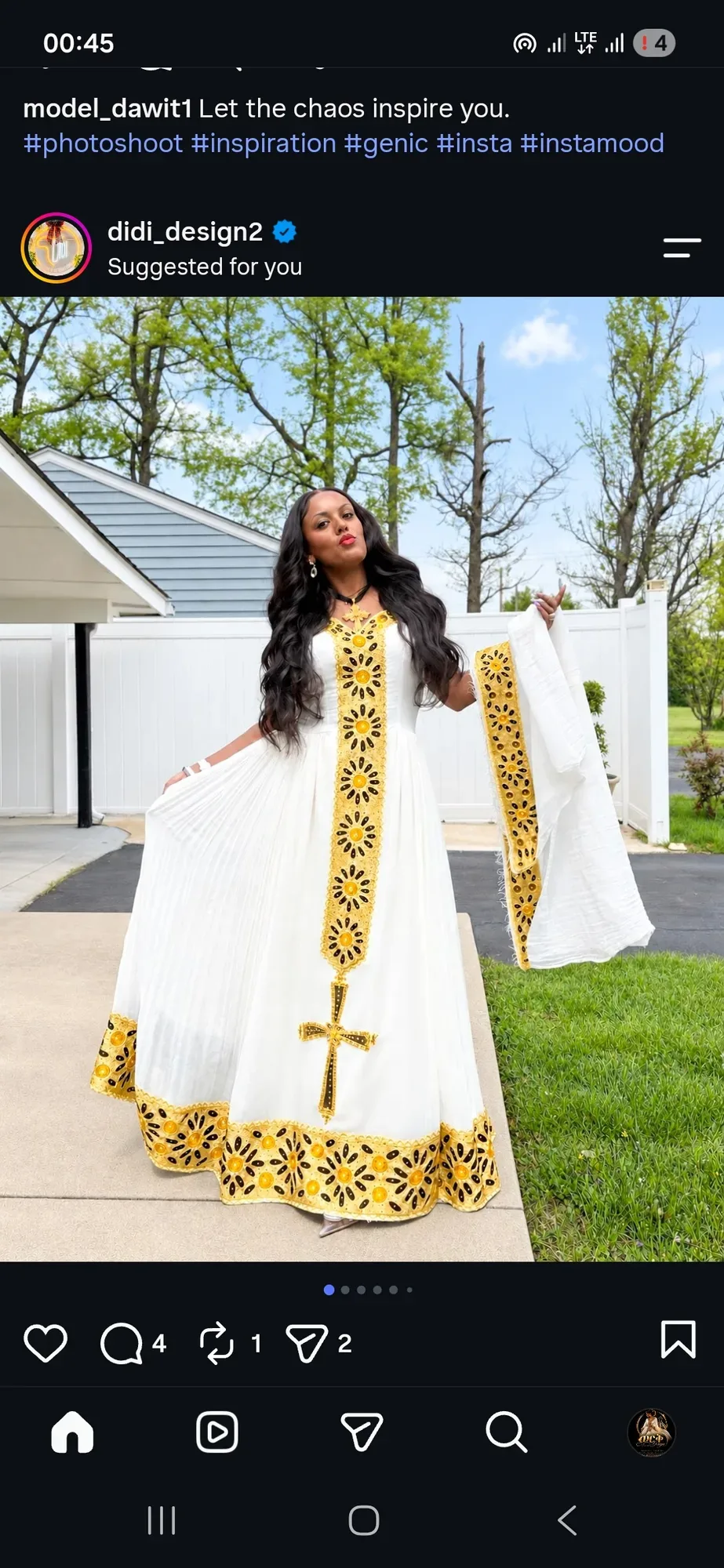
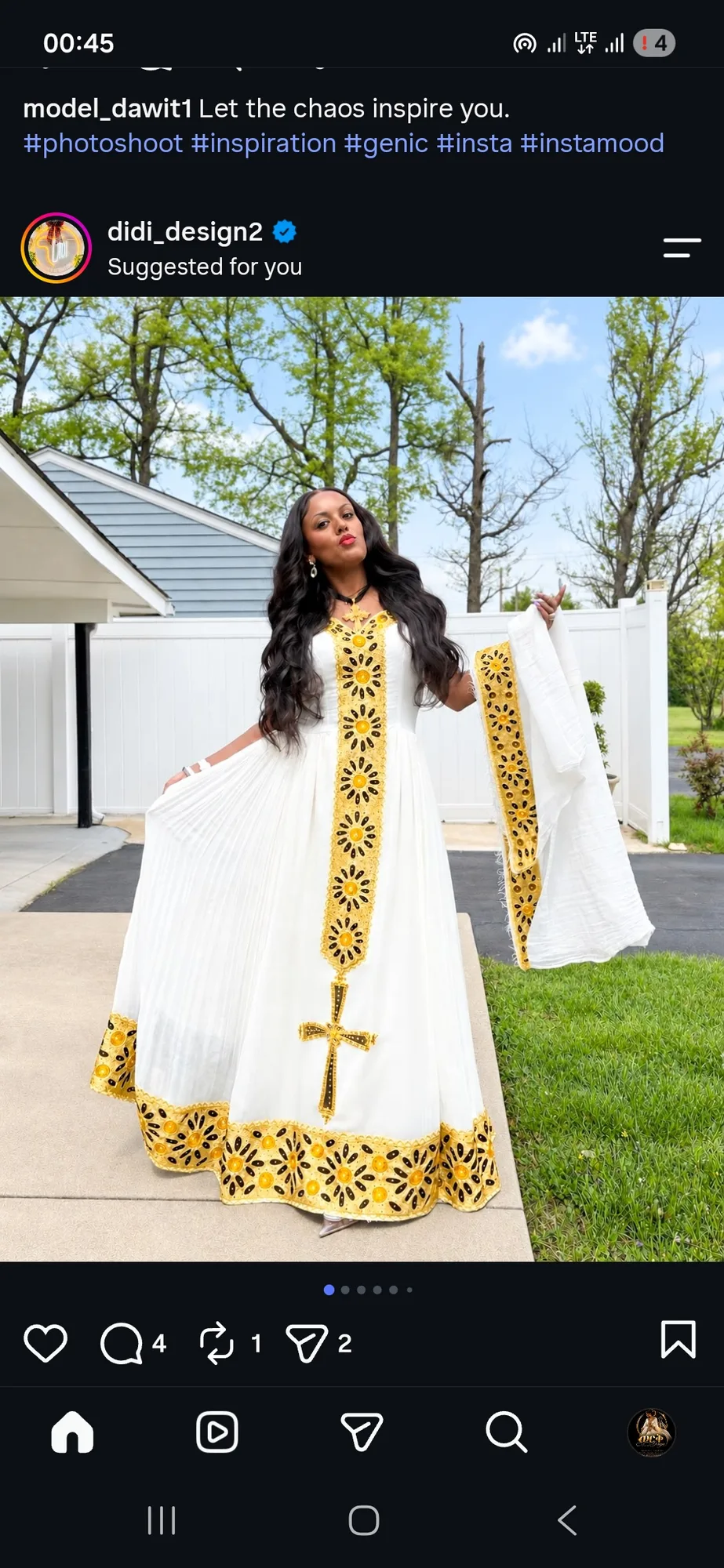
The word kemis refers to the traditional dress worn by Ethiopian and Eritrean women, typically in white or off-white with decorative embroidery. Authenticity begins with the fabric. Genuine habesha kemis are woven from cotton or chiffon on traditional handlooms — a process that produces a texture and drape that machine-made fabric simply cannot replicate. When you hold an authentic piece, the weave has a slight irregularity that is the hallmark of human craft, not industrial production.
The most telling sign of authenticity is the tilet — the embroidered border that runs along the hem, collar, and often the cuffs and chest panel. Real tilet is hand-stitched using colored threads, typically in deep red, green, gold, or blue, forming geometric and floral patterns that can take skilled artisans days or even weeks to complete. On mass-produced imitations, this embroidery is either printed directly onto the fabric or machine-stitched at a pace that sacrifices detail and durability. Up close, authentic tilet has a raised, three-dimensional quality; printed versions lie completely flat.
Fabric Weight and Weave Density
Fabric weight matters for both aesthetics and occasion. Lighter cotton and chiffon weaves are preferred for warm-weather celebrations like Enkutatash (Ethiopian New Year, celebrated in September) and everyday cultural wear. Heavier, denser cotton is traditional for ceremonial occasions such as weddings, baptisms, and major religious holidays. When browsing listings online, look for sellers who specify the fabric composition and weight — this level of detail is itself a signal that the seller understands what they are offering.
Thread count and weave density also affect how well the embroidery holds over time. A loosely woven base fabric will cause even excellent tilet to distort after washing. Reputable artisan sellers will describe the weave structure, and many will provide close-up photographs of both the embroidery and the base fabric so buyers can assess quality before purchasing.
Regional Styles: Gondar, Tigray, and Shewa Designs
Ethiopia is a country of extraordinary cultural diversity, and its traditional clothing reflects that richness. The habesha kemis is not a single uniform garment — it varies meaningfully by region, and understanding these differences allows diaspora shoppers to choose a dress that honors their specific heritage rather than a generic approximation of it.
Gondar-style kemis are among the most visually striking, characterized by bold geometric borders in deep reds and golds. The embroidery tends to be wide and prominent, running several inches along the hem and often featuring repeating diamond or cross motifs. Gondar designs are frequently chosen for weddings and major celebrations because of their ceremonial weight and visual impact.
Tigrayan and Shewa Variations
Tigrayan kemis are distinguished by intricate cross-stitch embroidery, often incorporating traditional Aksumite symbols and more complex color combinations than their Amhara counterparts. The patterns tend to be denser and more fine-grained, reflecting the artistic traditions of the Tigray region. Many Tigrayan styles also incorporate a distinctive collar treatment, with embroidery framing the neckline in a way that draws the eye upward.
Shewa-style kemis, associated with the central highlands around Addis Ababa, often feature more delicate and refined embroidery with thinner borders and subtler color palettes. These styles are popular for everyday cultural wear and less formal celebrations. When you buy an Ethiopian dress online in the USA, specifying the regional style you want — and confirming that the seller can actually deliver it — is an important step that many buyers overlook.
How to Get Sizing Right When Shopping from the USA
Sizing is one of the most common pain points for diaspora shoppers buying Ethiopian traditional clothing online. Ethiopian dress sizing conventions do not map neatly onto US standard sizing, and many listings use measurements that assume familiarity with local fitting practices. Getting this right before you order saves both time and the frustration of returns across international shipping.
The most reliable approach is to take four key measurements: bust (at the fullest point), waist (at the natural waist, not the hips), hip (at the fullest point), and height. For kemis specifically, height is particularly important because the dress is designed to fall at a specific length relative to the wearer's frame — typically to the ankle, with the hem embroidery positioned to be visible when standing. Many diaspora buyers find that ordering slightly larger and having the dress taken in locally by a tailor who works with Ethiopian clothing produces the best results.
Diaspora Fit Considerations
It is worth acknowledging that body proportions within the diaspora are often different from those of women in Ethiopia, reflecting differences in diet, lifestyle, and generational change. Some artisan sellers on platforms like Derbaba now offer custom sizing as a standard option rather than an add-on, allowing buyers to submit their measurements directly and receive a garment made to their specific dimensions. This is a significant advantage over generic marketplace listings and is one of the clearest signs of a seller who is genuinely engaged with their diaspora customer base.
When in doubt, contact the seller before ordering. A knowledgeable artisan or boutique will ask clarifying questions about your measurements and the occasion for which the dress is intended. A seller who simply directs you to a size chart without further engagement is less likely to deliver a well-fitted garment.
Choosing the Right Garment for the Occasion
Not every Ethiopian traditional garment is appropriate for every occasion, and understanding these distinctions helps you shop with confidence. The habesha kemis exists on a spectrum from lightweight everyday wear to heavily embroidered ceremonial pieces, and the right choice depends on the event you are dressing for.
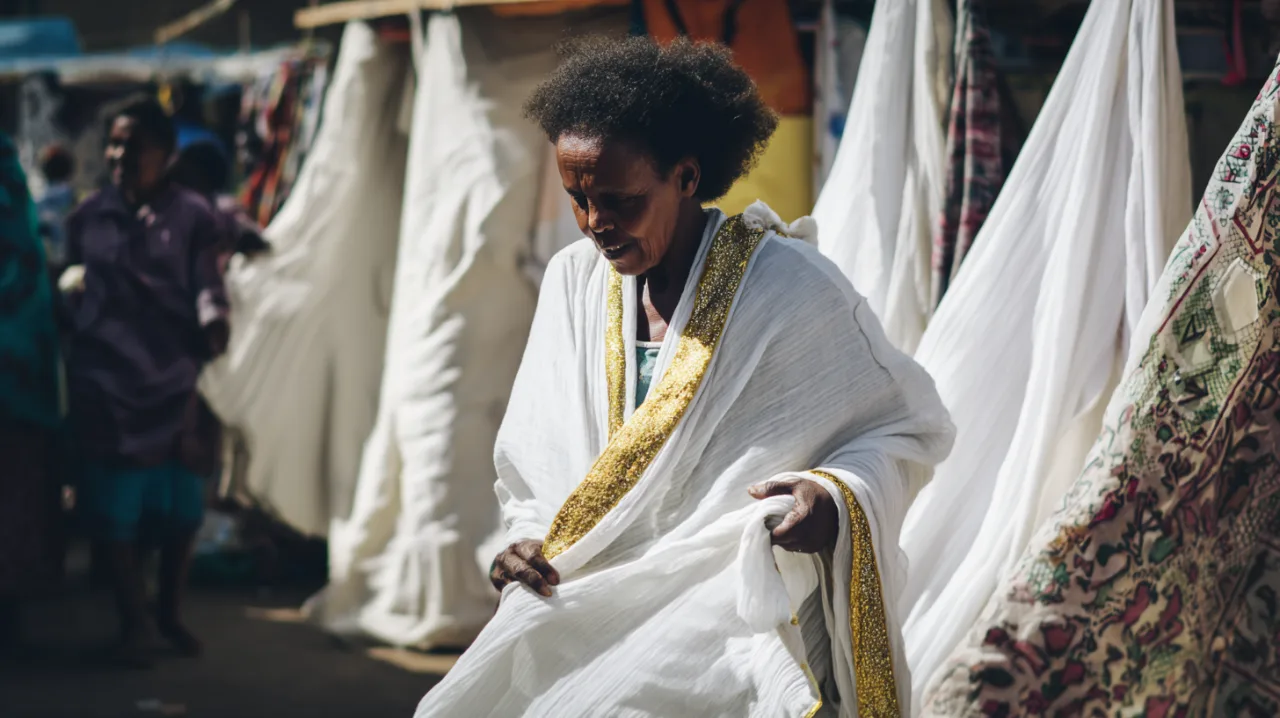
For Enkutatash (Ethiopian New Year), lighter cotton or chiffon kemis in white or soft pastels are traditional. The embroidery is typically present but not overpowering — this is a joyful, communal celebration, and the clothing reflects that spirit. For Timkat (Ethiopian Epiphany), the netela — a large white shawl with embroidered borders — is an essential accessory, worn draped over the kemis during the outdoor processions and church services that define the holiday.
Weddings, Baptisms, and Formal Ceremonies
For weddings and baptisms, the ceremonial habesha kemis reaches its most elaborate form. These dresses feature the widest tilet borders, the most complex embroidery patterns, and are often made from higher-quality fabric with a more substantial weight. Gold and silver thread accents are common in wedding kemis, and the overall garment may take an artisan several weeks to complete. If you are buying a wedding kemis online in the USA, plan ahead — allow at least four to six weeks for a custom order, and confirm shipping timelines with the seller explicitly.
For everyday cultural pride — wearing traditional clothing to community events, cultural festivals, or simply as a personal expression of heritage — a mid-weight cotton kemis with moderate embroidery is the most practical choice. These garments are easier to care for, more forgiving in terms of fit, and versatile enough to be dressed up or down depending on the occasion.
How to Verify You Are Buying from a Real Artisan Seller
The proliferation of drop-shipping and reseller accounts on major e-commerce platforms has made it genuinely difficult to distinguish authentic artisan sellers from intermediaries who have never set foot in Ethiopia. There are several concrete ways to verify authenticity before you commit to a purchase.
First, look for sellers who can tell you specifically where and by whom the garment was made. Phrases like "handmade in Addis Ababa by our cooperative of weavers" or "produced in Gondar by third-generation embroiderers" are meaningful — vague descriptions like "Ethiopian-style" or "traditional design" are not. Second, examine the product photography carefully. Authentic artisan sellers typically show close-up images of the embroidery, the fabric weave, and often the artisan at work. Mass-produced listings tend to rely on a single flat-lay photograph with no detail shots.
The Derbaba Difference: Independent Sellers in Addis Ababa
Derbaba was built specifically to address the authenticity problem that has long frustrated diaspora buyers. The platform curates its seller network, working with independent sellers in Addis Ababa who meet its authenticity standards. Every listing on Derbaba includes seller details, origin information, and direct communication channels so buyers can ask questions before purchasing.
Beyond authenticity, Derbaba's model ensures that sellers receive fair compensation for their work — a meaningful consideration for diaspora shoppers who want their purchase to support the communities and craftspeople who keep these traditions alive. Shipping is arranged directly between you and the seller, so you can confirm the cost and timeline before you order. For anyone looking to buy an Ethiopian dress online in the USA with confidence, this kind of curated marketplace represents a fundamentally better experience than searching through generic platforms.
Caring for Your Habesha Kemis After It Arrives
A quality habesha kemis, properly cared for, is not a disposable fashion item — it is an heirloom. The embroidery, fabric, and construction that make it valuable also require thoughtful maintenance to preserve over time. The good news is that care requirements are straightforward once you understand the basics.
Hand-washing in cold water is the safest approach for all habesha kemis, regardless of fabric weight. Use a gentle detergent — something formulated for delicate fabrics — and avoid wringing or twisting the garment, which can distort the weave and damage embroidery threads. Machine washing, even on a gentle cycle, risks snagging the tilet and accelerating fabric wear. If the dress has significant embroidery, turn it inside out before washing to protect the stitching.
Drying and Storage
Air-drying flat on a clean surface preserves the shape of the garment far better than hanging, which can cause the fabric to stretch unevenly as it dries. Keep the dress away from direct sunlight during drying — UV exposure will fade both the white base fabric and the colored embroidery threads over time. Once dry, store the kemis folded in acid-free tissue paper or a breathable cotton garment bag, away from direct light and moisture.
For embroidery preservation specifically, avoid folding the dress along embroidered sections if possible — repeated creasing at the same point can weaken threads over years of storage. Some families who own ceremonial kemis of significant sentimental or monetary value choose to have them professionally cleaned and stored, which is a worthwhile investment for a garment that may be passed down to the next generation.
Conclusion: Shop with Confidence and Cultural Pride
The decision to buy an Ethiopian dress online in the USA is about much more than clothing — it is an act of cultural connection, a way of honoring heritage, and for many diaspora families, a means of passing something meaningful to the next generation. The barriers that have historically made this difficult — unreliable sellers, poor sizing information, mass-produced fakes, and opaque supply chains — are no longer insurmountable. With the right knowledge and the right platform, you can find a genuinely authentic habesha kemis that reflects your specific heritage, fits your body, suits your occasion, and arrives at your door in the condition it deserves.
Whether you are dressing for a wedding in Washington, D.C., celebrating Enkutatash in Minneapolis, or simply wearing your culture with pride on an ordinary Tuesday, the garment you choose matters. Shop authentic habesha kemis and Ethiopian and Eritrean traditional clothing on Derbaba — where every listing connects you directly to the artisans who made it.