How to Spot Quality Habesha Cotton: Lessons from Finote Sabawian Tibeb
Argawi Teklay of Finote Sabawian Tibeb explains how to recognize quality Habesha cotton, understand traditional handweaving, and order handmade Ethiopian clothing from abroad.

How to Spot Quality Habesha Cotton: Lessons from Finote Sabawian Tibeb
Derbaba.com sat down with Argawi Teklay, the owner of Finote Sabawian Tibeb, to learn how customers can recognize quality Habesha cotton, understand traditional handweaving, and order Ethiopian clothing from abroad.
Born and raised in Adwa, Tigray, Argawi has a background in education and environmental studies. He earned a bachelor's degree in Applied Chemistry from Aksum University, worked as a teacher for ten years, and later completed a master's degree in Environment and Climate Change at Ethiopian Civil Service University.
Although his academic background was not directly related to clothing, Argawi's desire to become an entrepreneur led him to establish Finote Sabawian Tibeb. Through his business, he aims to provide customers with traditional Habesha clothing while contributing to the preservation of Ethiopian cultural heritage.
How to Tell Good Habesha Cotton: Shkore vs. Gashena
When buying a handwoven habesha kemis, the quality of the fabric deserves as much attention as the design. During our interview, Argawi explained that customers can begin assessing cotton quality by touching the material.
According to Argawi,
“Good-quality cotton feels soft to the touch.”
Texture is therefore one factor customers can consider when comparing traditional cotton fabrics.
He also described different quality categories in the traditional cotton clothing market. These include vent and gashena, which he identified as lower-quality types, and shkore, which he described as a higher-quality option.
Shkore is thin and tightly woven, characteristics Argawi associates with its quality and durability. Compared with lower-quality alternatives, it is valued for lasting longer.
When shopping for traditional cotton clothing, customers can examine how the fabric feels and how tightly it is woven. They can also ask the seller about the fabric type, how it was produced, and which material is best suited to their intended garment.
These details are especially important when choosing traditional clothing for weddings, holidays, and other special occasions.
For more information about authentic fabrics, traditional weaving, and identifying quality garments, read our Ethiopian Wear Guide: Authentic Habesha Clothing Explained.
Cotton and Menen: Two Traditional Clothing Options
Finote Sabawian Tibeb specializes in two main types of traditional Ethiopian clothing: cotton garments and garments made from menen, a soft fabric used for traditional Ethiopian attire.
The cotton used by the business comes from Axum, where elderly women prepare it before it is woven into fabric. Once prepared and woven, the material is sent to Addis Ababa, where it is used to make traditional garments.
This process highlights the role of traditional knowledge and craftsmanship in Ethiopian clothing production. The involvement of experienced women in preparing cotton also demonstrates how traditional skills continue to contribute to the craft.
Menen is another option for customers looking for traditional Ethiopian clothing. Unlike the cotton described above, the menen fabric used by the business is produced in Addis Ababa.
According to Argawi, menen garments are prepared according to customers' measurements and orders. By offering both cotton and menen clothing, Finote Sabawian Tibeb gives customers different options depending on their preferences, desired designs, and needs.
The Art of a Handwoven Habesha Kemis
The production process is another important aspect of Finote Sabawian Tibeb's work.
Argawi explained that the garments sold by his business are handwoven, although some parts may involve machine work. One example is the tilf, a decorative section of a garment, which may be produced using a machine depending on the garment and production process.
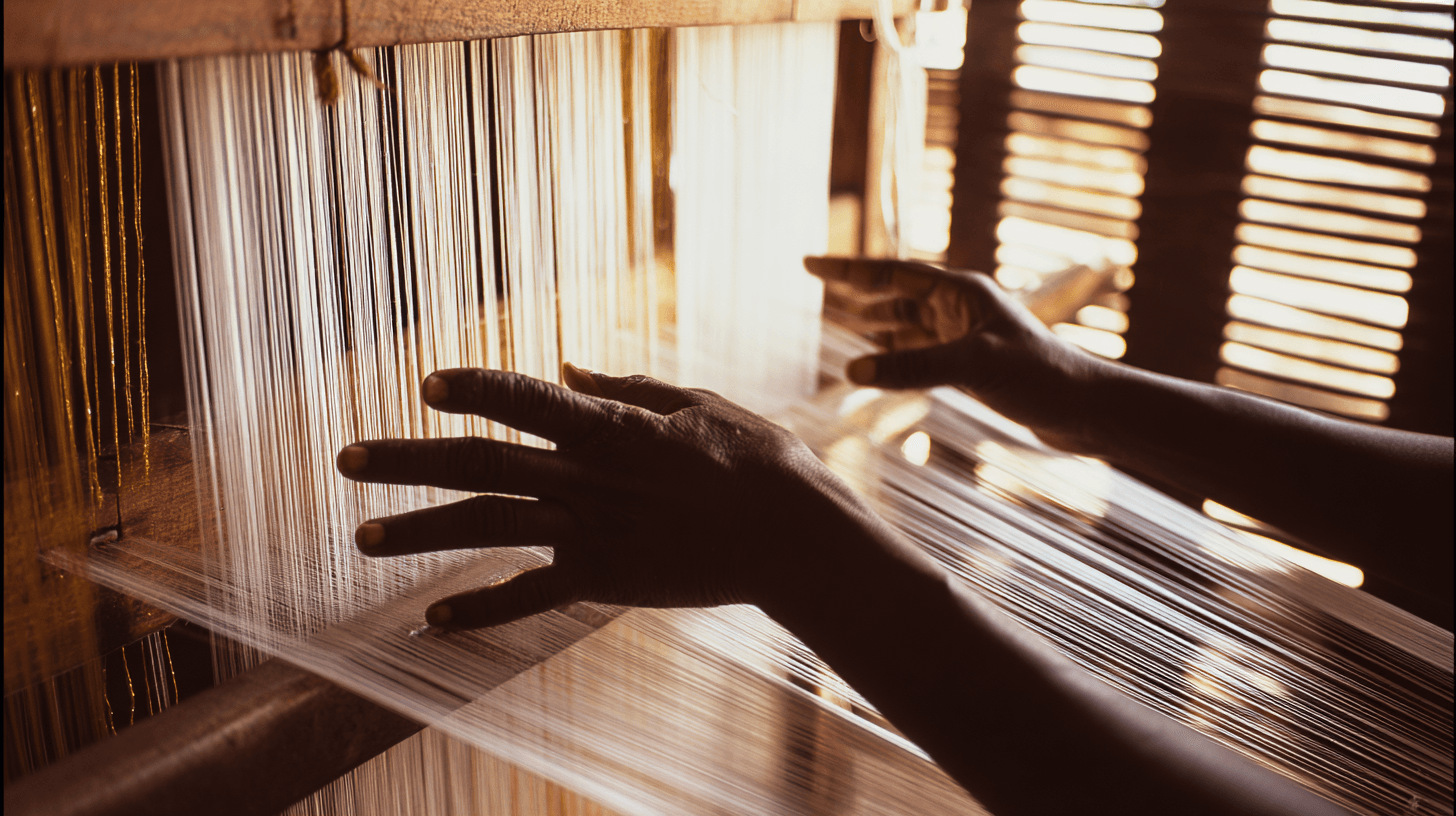
Much of the work is nevertheless completed by hand, preserving traditional methods associated with Ethiopian clothing production.
Handweaving requires time, patience, and skill. Because of the labor involved, fully handmade garments generally cost more than those produced with the assistance of machines.
Argawi explained that a fully handmade garment can take approximately 20 days to one month to complete. When machines are used for parts of the production process, a garment may be completed in about one week.
More elaborate garments can take longer. According to Argawi, a high-quality wedding dress made entirely by hand may require up to two months to complete.
These differences in production time help explain why traditional garments can vary considerably in price. The design, production method, and amount of handwork all influence the time and skill required to complete an order.
To learn more about traditional Ethiopian clothing and the craftsmanship behind different garments, explore our Habesha Wear: The Ultimate Guide to Authentic Ethiopian Dress.
The Challenges of Running Finote Sabawian Tibeb
Although Argawi is passionate about his business, running Finote Sabawian Tibeb comes with challenges.
He identified limited capital as one of the main difficulties. Producing traditional garments requires materials, skilled workers, and time, while expanding a business requires resources to increase production and reach more customers.
Building brand recognition in a competitive market is another challenge. Customers need time to discover a business, become familiar with its products, and develop trust in the quality of its work.
Despite these difficulties, Argawi remains committed to the business. He explained that his love for the work helps him manage the challenges of entrepreneurship.
How to Order a Handwoven Habesha Kemis from Abroad
Many of Finote Sabawian Tibeb's customers are members of the Ethiopian diaspora. Ethiopians living abroad sometimes purchase traditional clothing when they return home for vacations, weddings, holidays, and other celebrations.
Customers who cannot visit the shop in person can still discuss their orders remotely. Argawi explained that the business uses
“photographs, video calls, discussions, and measurement guidance”
to understand customers’ preferences and sizing.
Before placing an order, customers should consider three important factors.
Fabric quality: Ask which type of cotton or menen is being used and clarify the characteristics of the material.
Design: Discuss the preferred style and explain the occasion for which the garment is intended.
Measurements: Follow the seller's instructions carefully and confirm the required measurements before production begins.
Clear communication helps the seller understand what the customer wants and reduces the risk of sizing problems. Customers should also confirm the production schedule, shipping method, delivery costs, and expected arrival date before paying, especially when ordering for a wedding or another fixed-date event.
To discuss available designs and ordering arrangements, visit Finote Sabawian Tibeb on Derbaba.
Customer Satisfaction at the Heart of the Business
For Argawi, customer satisfaction is one of the most important priorities at Finote Sabawian Tibeb.
The business aims to provide garments that meet customers' expectations for quality, design, and fit. This is particularly important for customers ordering from abroad, who rely on communication and measurement guidance rather than visiting the shop to try on their clothing.
“ Satisfied customers can help a business build trust, encourage repeat orders, and develop its reputation ”
said Argawi. For a growing traditional clothing business, these relationships are an important part of reaching more people who appreciate Ethiopian craftsmanship.
Argawi's experience illustrates how entrepreneurship and traditional clothing can come together to support a business while maintaining a connection to Ethiopia's cultural heritage.
Explore the designs and traditional clothing available from Finote Sabawian Tibeb on Derbaba.
Frequently asked questions
How long does a handmade Habesha kemis take?
According to Argawi Teklay, a fully handmade garment typically takes around 20 days to one month. A garment made with machine assistance may take about one week, while an elaborate wedding dress made entirely by hand can take up to two months. Actual production time depends on the design and the amount of handwork involved.
Can I order a Habesha kemis from abroad?
Yes. Finote Sabawian Tibeb works with customers living outside Ethiopia. Argawi explained that customers can discuss designs and measurements through photographs, video calls, and other communication. Contact the seller to confirm availability, payment arrangements, shipping costs, and delivery times for your destination.
What is shkore cotton?
In Argawi's description of traditional cotton clothing, shkore is a higher-quality type characterized by a thin, tightly woven texture. He associates these qualities with durability and a longer-lasting garment. Customers can ask the seller to explain the fabric type and compare its feel and weave with other available options.