Habesha Dress Custom Made: Your Complete Guide (2026)
Order a custom habesha dress from Addis Ababa sellers. Learn fit, design, and timeline tips for diaspora shoppers in North America and Europe.
Why a Custom Habesha Dress Hits Differently
A habesha kemis made just for your body, your occasion, and your roots hits differently than anything off a rack — but knowing how to get one from an artisan in Addis or Gondar while living in Toronto or London? That's where most diaspora shoppers get stuck. The good news is that ordering a habesha dress custom made to your exact measurements and design vision is entirely achievable in 2026, and the process is more accessible than ever for Ethiopian and Eritrean communities worldwide.
Custom habesha dresses are not simply altered versions of ready-made garments. They are built from scratch by skilled weavers and embroiderers who have spent years — often decades — mastering the techniques passed down through generations. The result is a garment that carries genuine cultural weight, fits your body precisely, and cannot be replicated by any factory production line.
Key Takeaways
- A custom habesha kemis is woven and embroidered by hand using traditional Ethiopian cotton, producing quality that mass-produced garments cannot match.
- Regional styles differ significantly: Amhara, Tigrayan, and Eritrean kemis each have distinct embroidery patterns, neckline shapes, and tilet (border) designs.
- Accurate home measurements are the single most critical factor in achieving a perfect fit when ordering from abroad.
- Lead times typically run three to eight weeks — order well ahead of weddings, Enkutatash, Timkat, or baptism ceremonies.
- Clear communication of design details through photos and written descriptions prevents costly mistakes across time zones.
- Curated marketplaces like Derbaba vet their sellers, secure payments, and provide buyer support for diaspora shoppers.
The Craft Behind a Custom Habesha Kemis
Understanding what makes a custom piece special starts with appreciating the craft itself. Traditional habesha dresses are woven on handlooms — a process that can take several days for a single bolt of fabric. Ethiopian cotton, known locally as telet or gabi cotton, has a distinctive texture and breathability that synthetic blends simply cannot replicate. The fabric is typically a crisp, slightly textured white or off-white that serves as the canvas for the embroidery to come.
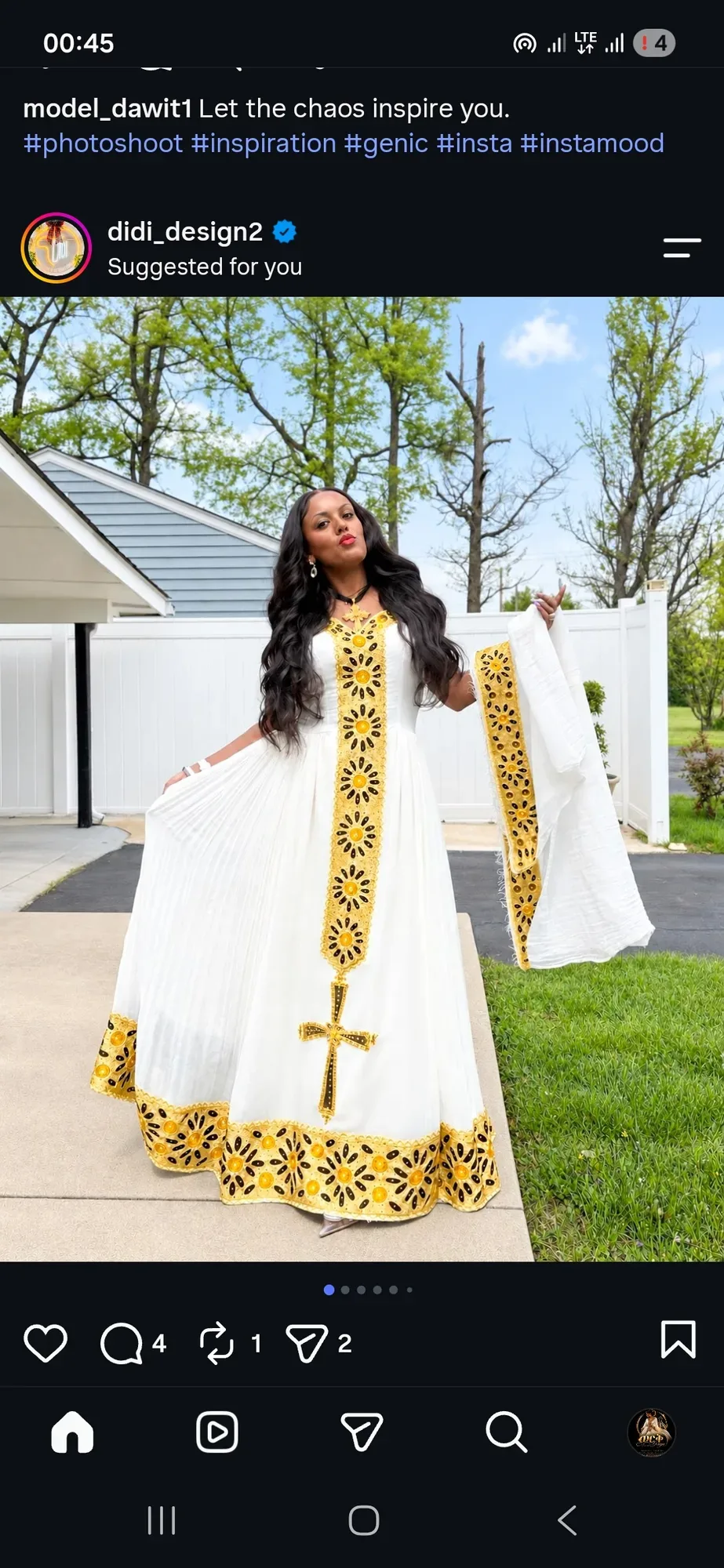
The embroidery — called tilet — is applied by hand using silk or cotton threads in colors that carry both aesthetic and symbolic meaning. Deep burgundy, forest green, royal blue, and gold are among the most traditional choices, though contemporary artisans increasingly work with clients to develop custom color palettes. The density and complexity of the tilet at the neckline, hem, and cuffs is often what distinguishes a premium custom piece from a standard garment.
Handloom Weaving vs. Machine Production
A handloomed habesha kemis takes significantly longer to produce than a machine-woven alternative, but the difference in quality is visible and tactile. Handloomed fabric has a natural variation in thread tension that gives it a living, organic quality — each piece is subtly unique. Machine-produced fabric, by contrast, is perfectly uniform in a way that actually diminishes the cultural authenticity of the garment.
When you commission a habesha dress custom made by a master artisan, you are also supporting a livelihood that is deeply tied to Ethiopian and Eritrean cultural identity. Weaving communities in cities like Gondar, Bahir Dar, Axum, and Addis Ababa have maintained these traditions for centuries, and diaspora demand for authentic custom pieces plays a meaningful role in keeping those communities economically viable.
Regional Styles: Amhara, Tigrayan, and Eritrean Kemis
One of the most important steps before briefing an artisan is understanding the regional style differences that define habesha dress traditions. The broad category of "habesha kemis" actually encompasses several distinct regional aesthetics, and knowing which one resonates with your heritage — or your occasion — will help you communicate your vision clearly.
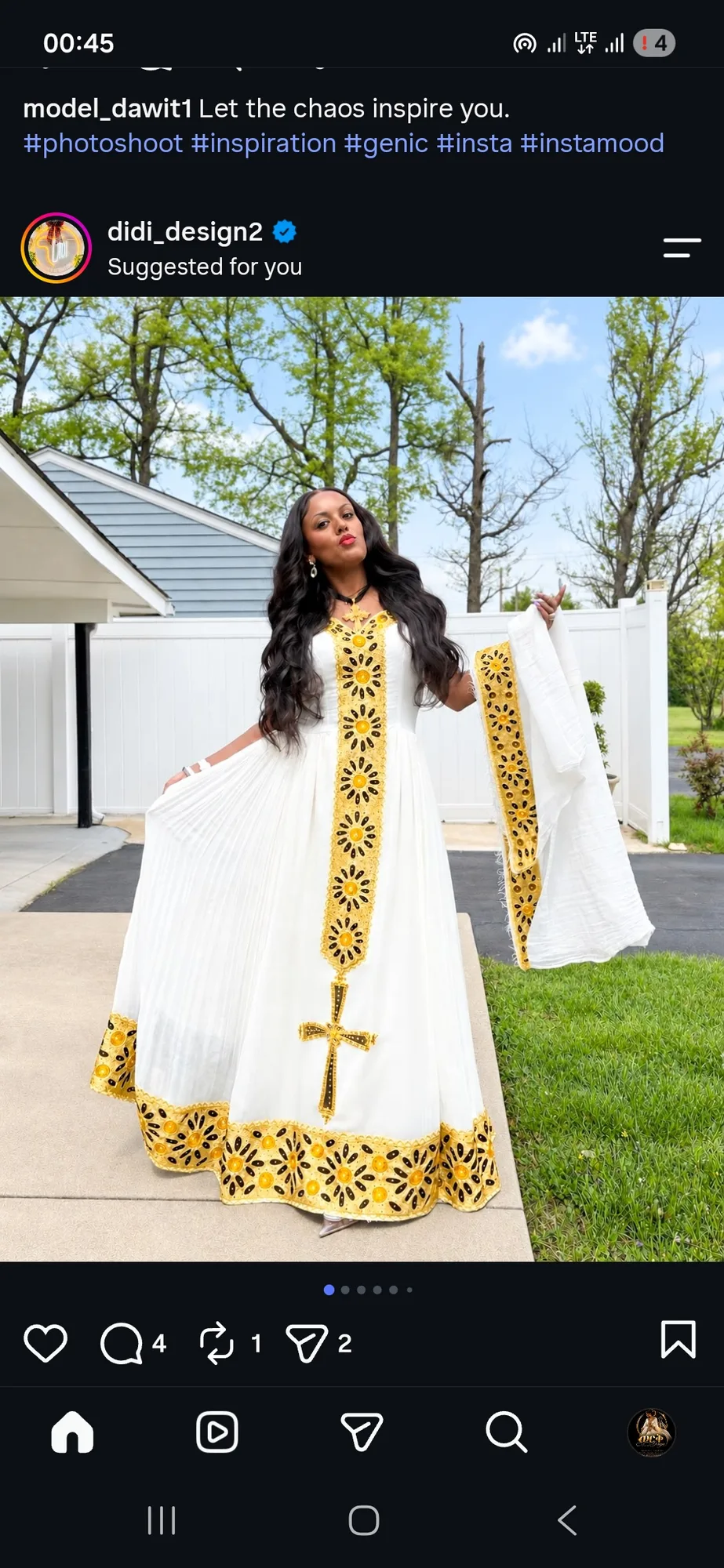
Amhara-style kemis are perhaps the most widely recognized internationally. They typically feature a straight or slightly A-line silhouette, a modest round or V-neckline, and embroidery concentrated at the collar, cuffs, and a wide hem border. The tilet patterns often incorporate geometric motifs and cross-like shapes with deep cultural and religious significance.
Tigrayan and Eritrean Distinctions
Tigrayan kemis tend to feature bolder, denser embroidery that can extend further up the body, with particularly elaborate collar treatments. Color combinations are often more vivid, and the overall effect is one of striking visual richness. This style is especially popular for major celebrations like weddings and religious festivals.
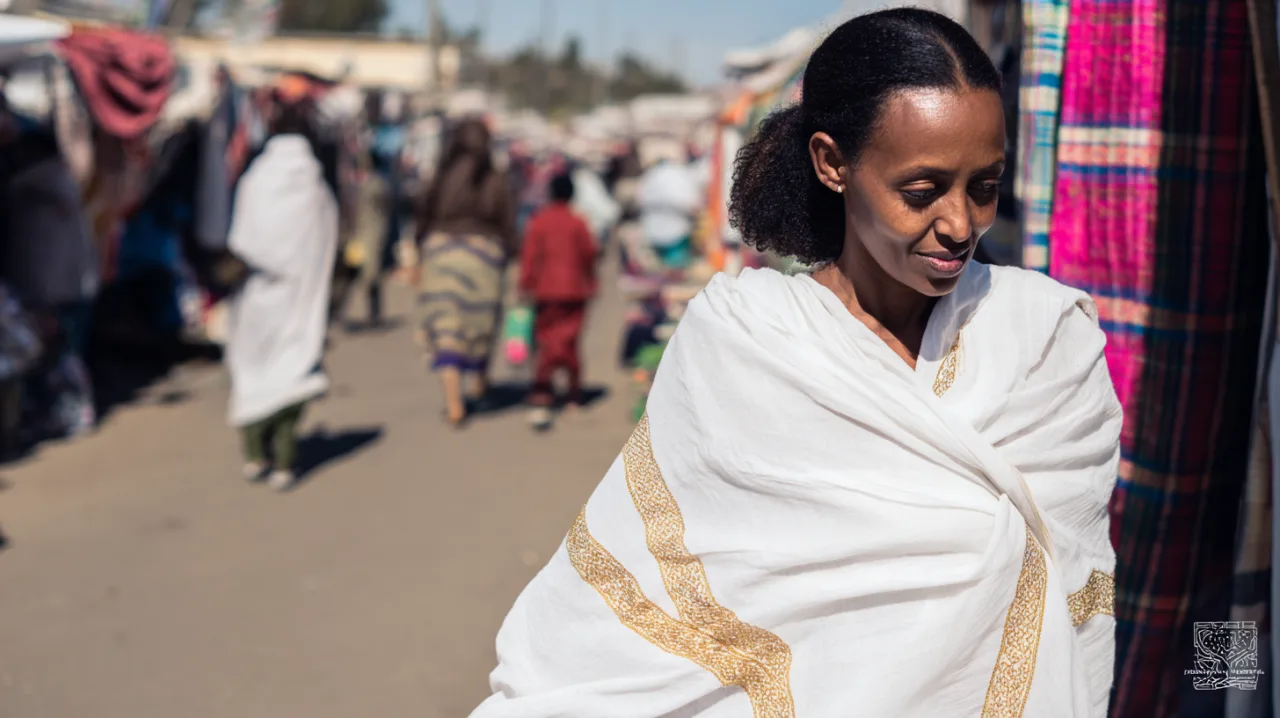
Eritrean habesha dresses — sometimes called zuria — share the foundational aesthetic of Ethiopian styles but often incorporate distinctive embroidery motifs and color combinations that reflect Eritrea's own weaving traditions. The netela, a sheer woven shawl worn over the kemis, also varies in pattern and weight between Ethiopian and Eritrean styles. If you have Eritrean heritage, specifying this to your artisan ensures you receive a garment that honors your specific roots rather than a generalized interpretation.
Taking Your Measurements at Home
Getting the measurements right is the single most important practical step in ordering a habesha dress custom made from abroad. An ill-fitting custom dress is a disappointment for everyone involved — and international shipping makes alterations expensive and time-consuming. Fortunately, taking accurate measurements at home requires only a soft measuring tape and a helper.
The standard measurements your artisan will need include: bust (measured at the fullest point), waist (at the narrowest point), hips (at the fullest point, usually 7–9 inches below the waist), shoulder width (from shoulder point to shoulder point across the back), sleeve length (from shoulder point to wrist), and dress length (from the top of the shoulder to the desired hem). Some artisans also request a neck circumference measurement, particularly if you are ordering a fitted collar style.
Tips for Accurate Measurement
Always measure over the undergarments you plan to wear with the dress — not over bulky clothing. Stand naturally, don't hold your breath, and keep the tape measure parallel to the floor for bust and hip measurements. It's worth measuring twice and recording both results; if they differ by more than half an inch, measure a third time. Send your measurements in both centimeters and inches if possible, as artisans in Ethiopia and Eritrea typically work in centimeters.
If you have a habesha dress that already fits you well, consider also sending its measurements — artisans can use an existing garment as a reference point, which significantly reduces the risk of fit errors. Take clear photos of the existing dress laid flat, with a ruler visible for scale, and include these with your order brief.
Communicating Your Design Vision Across Continents
Beyond measurements, the design brief you send your artisan is what transforms a well-fitting dress into a truly personal garment. The more specific and visual your communication, the better your result will be. Vague instructions like "traditional style, nice embroidery" leave too much to interpretation and can result in a dress that doesn't match your vision.
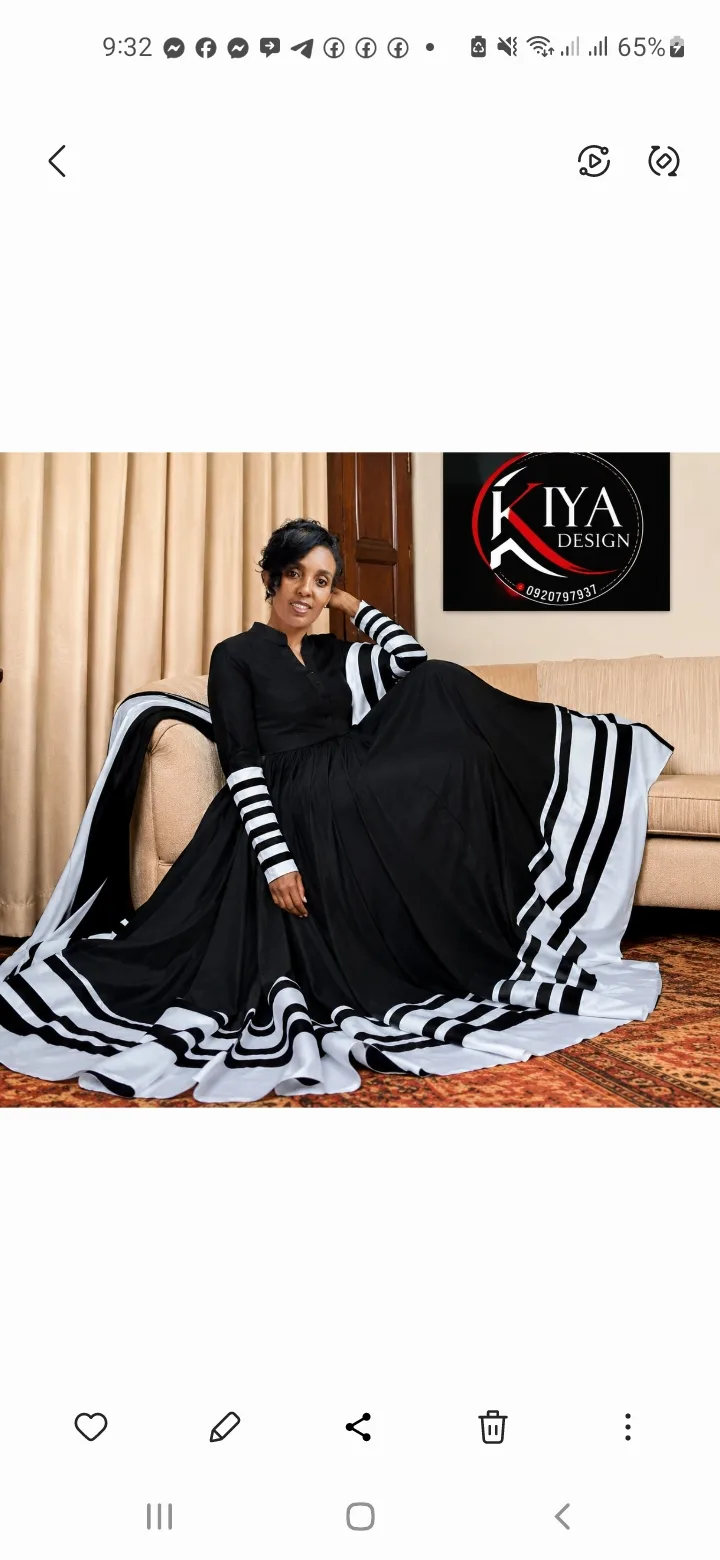
Your design brief should address the following elements clearly: embroidery color (specify the exact shades you want, or reference specific colors from photos), neckline style (round, V-neck, square, keyhole, or mandarin collar), hem length (floor-length, midi, or knee-length), sleeve type (long, three-quarter, short, or sleeveless), tilet pattern (geometric, floral, cross motifs, or a combination), and the occasion the dress is intended for.
Using Visual References Effectively
Photos are your most powerful communication tool. Collect reference images from Instagram, Pinterest, or family photos that show the neckline, embroidery style, and silhouette you want. Send at least three to five reference images and annotate them if possible — a quick note like "I like this neckline but want the embroidery color from this other photo" saves significant back-and-forth time. Most artisans working with diaspora clients are comfortable receiving briefs via WhatsApp, email, or through platform messaging systems.
Be specific about what you don't want as well. If you've seen a style you dislike — perhaps embroidery that's too sparse, or a silhouette that's too loose — mention it. Artisans appreciate clear boundaries as much as clear aspirations. A well-constructed design brief is a sign of a serious client, and skilled artisans will invest more creative energy when they know exactly what they're working toward.
Understanding Lead Times and Planning Your Order
Lead times for a habesha dress custom made by a skilled artisan typically range from three to eight weeks, depending on the complexity of the embroidery, the artisan's current workload, and the shipping method you choose. A dress with minimal embroidery and a straightforward silhouette might be completed in three weeks; an elaborate wedding kemis with dense tilet work across the entire bodice could take six to eight weeks in production alone.
Add international shipping time to your planning window. Air freight from Addis Ababa to North American or European destinations typically takes five to ten business days, but customs processing can add unpredictable delays. For major occasions — a wedding, an Enkutatash celebration in September, a Timkat ceremony in January, or a graduation — place your order at least twelve weeks in advance to give yourself a comfortable buffer.
Occasions That Warrant a Custom Piece
Ethiopian and Eritrean cultural life is rich with occasions that call for traditional dress. Weddings are the most significant, where both brides and guests are expected to appear in their finest habesha kemis. Enkutatash (Ethiopian New Year, celebrated in September) is another major occasion when new traditional dresses are gifted and worn. Timkat (Ethiopian Epiphany in January), Meskel (Finding of the True Cross in September), baptisms, and coming-of-age ceremonies all provide meaningful occasions for a custom garment. Even graduation ceremonies and professional headshots are increasingly occasions when diaspora Ethiopians and Eritreans choose to honor their heritage through dress.
Habesha Dress Custom Made: Working With Sellers in Addis Ababa
Finding a trustworthy artisan when you're thousands of miles away is the challenge that stops many diaspora shoppers from pursuing custom orders. The risks are real: payment fraud, quality misrepresentation, and unreliable shipping are all documented problems in unverified online transactions. This is precisely why working through a vetted marketplace changes the equation entirely.
Derbaba was built specifically to solve this problem for the Ethiopian and Eritrean diaspora. The platform vets artisans and boutiques before listing them, provides secure payment processing, and offers buyer support so that if something goes wrong — a fit issue, a shipping delay, a design misunderstanding — there is a structured process for resolution. For diaspora shoppers who want the authenticity of ordering directly from Ethiopia or Eritrea without the risk of unprotected transactions, Derbaba provides the infrastructure that makes it possible.
When evaluating any seller, look for a portfolio of completed custom work (not just stock photos), clear communication in your language, transparent pricing that includes embroidery complexity and fabric grade, and a willingness to provide progress photos during production. A seller who is proud of their work will welcome the opportunity to share updates — it's a sign of professionalism, not an imposition.
The Cultural Meaning of Investing in Custom Habesha Dress
A custom habesha kemis is not just clothing. It is a wearable expression of heritage — a physical connection to a weaving tradition that stretches back centuries and continues to evolve in the hands of living artisans. When you commission a custom piece, you are participating in a cultural economy that sustains families and communities in Ethiopia and Eritrea, and you are ensuring that the knowledge of master weavers is valued and compensated fairly.
For diaspora Ethiopians and Eritreans raising children in North America or Europe, a custom habesha dress is also an act of cultural transmission. Children who grow up seeing their parents wear beautifully made traditional garments — and who eventually receive their own custom pieces for coming-of-age occasions — develop a tangible, embodied relationship with their heritage that no classroom lesson can replicate. The dress becomes part of the story of who they are.
There is also something irreplaceable about the fit and feel of a garment made specifically for you. Ready-made habesha dresses are designed for a generalized body; a custom dress is designed for your body. The way it drapes, the way the embroidery falls at your neckline, the way the hem moves when you walk — these details matter, and they are only possible when an artisan has your exact measurements and your specific vision in front of them.
Conclusion: Your Custom Habesha Kemis Is Worth the Investment
Ordering a habesha dress custom made from a skilled Ethiopian or Eritrean artisan is one of the most meaningful fashion investments a diaspora community member can make. The process requires some planning — accurate measurements, a detailed design brief, and a realistic lead time — but the result is a garment that fits perfectly, honors your heritage authentically, and will likely outlast anything you could buy off a rack. The craft traditions behind every handloomed kemis and hand-embroidered tilet represent centuries of accumulated knowledge that deserves to be celebrated, supported, and worn with pride.
Whether you're preparing for a wedding, Enkutatash, Timkat, or simply want a piece of your culture to wear on your own terms, the sellers behind these garments are ready to work with you — wherever in the world you are. Shop authentic habesha kemis and Ethiopian and Eritrean traditional clothing on Derbaba, where every seller was visited in person in Addis Ababa and every order is supported from first message to final delivery.