Traditional Habesha Dress: A Complete Guide to Meaning & Style in 2026
Discover the meaning behind the traditional habesha dress, regional weaving styles, and how to spot authentic handwoven kemis before you buy.
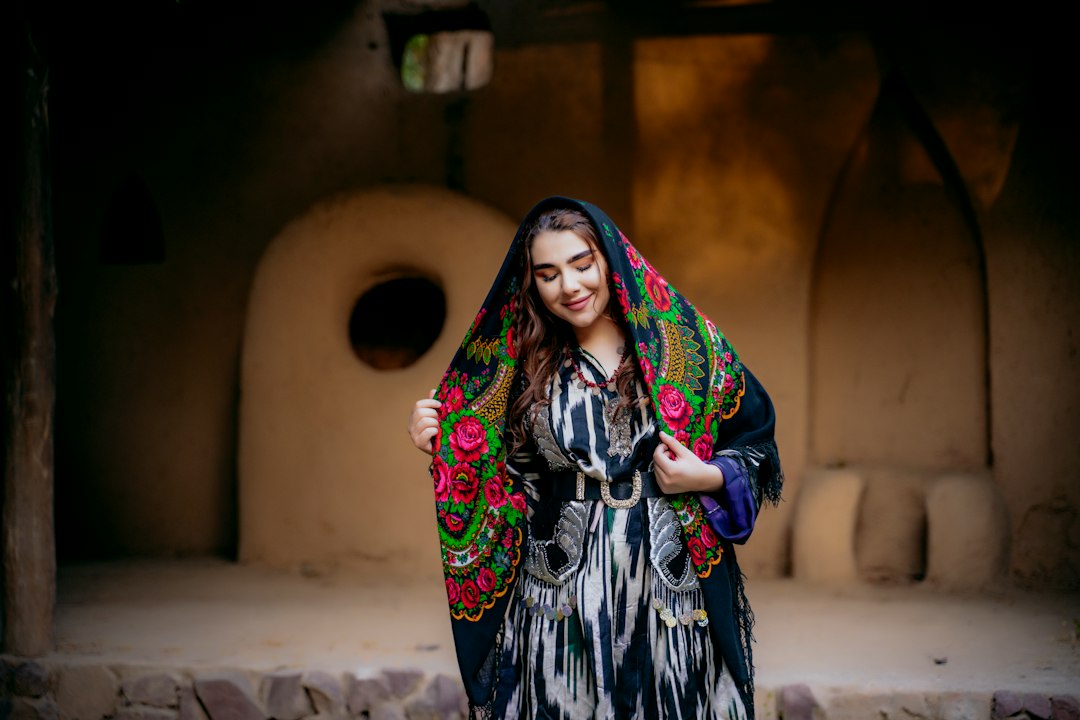
Every hand-woven thread in a habesha kemis carries centuries of Ethiopian and Eritrean history — yet most diaspora shoppers today don't know how to spot the real thing anymore. Scroll through any online marketplace and you'll find racks of shiny, synthetic imitations claiming to be traditional dress, sold at a fraction of what an artisan-made piece actually costs to produce. The traditional habesha dress is not a costume or a trend; it is a living cultural artifact, still handwoven today by skilled artisans in Ethiopia and Eritrea using techniques passed down through generations. This guide will help you understand what makes a habesha dress authentic, where its regional styles come from, and how to choose a piece worthy of the heritage it represents.
Key Takeaways
- The traditional habesha dress, known as habesha kemis, originates from centuries-old handweaving traditions in Ethiopia and Eritrea that continue today.
- The tibeb, or woven border pattern, is the clearest sign of authenticity and reveals the region and weaver behind a piece.
- Regions like Gondar, Tigray, and Bahir Dar each produce distinct colors, motifs, and weaving techniques.
- Habesha dress is central to holidays such as Enkutatash, Timkat, and Meskel, as well as weddings and baptisms.
- Genuine habesha kemis are made from handwoven cotton called shema — not the polyester blends common in mass-produced knockoffs.
- Buyers can verify authenticity by examining fabric texture, hand-stitched hems, and how transparent a seller is about their artisan sourcing.
The Origins of the Traditional Habesha Dress
The habesha kemis traces back centuries to the highland weaving communities of Ethiopia and Eritrea, where cotton cultivation and handloom weaving developed into a sophisticated craft long before industrial textiles existed. The word "habesha" refers broadly to the Ethiopian and Eritrean highland peoples, and the garments associated with this identity have always carried meaning far beyond fashion. Historically, weaving was a specialized trade often passed down within families, with weavers known as shemane producing cotton fabric on narrow-strip handlooms that require enormous patience and skill.
What makes this tradition remarkable is its continuity. Unlike many traditional garments around the world that have been fully replaced by industrial production, the habesha kemis is still handwoven today in workshops across Addis Ababa, Gondar, Axum, and Asmara. Artisans use techniques that have barely changed in structure, even as designs have evolved to reflect contemporary tastes. This living continuity is exactly why buying an authentic piece matters — every purchase supports a craft economy that could otherwise disappear under the pressure of cheap imports.
Understanding the Tibeb: The Heart of Authentic Habesha Dress
The tibeb is the woven decorative border found along the hem, sleeves, and neckline of a habesha kemis, and it is the single most reliable indicator of authenticity. A genuine tibeb is woven directly into the fabric during production, not printed, embroidered on top, or glued as trim. When you run your fingers across a real tibeb, you should feel texture and slight variation in the weave — a sign of human hands at work rather than a machine stamping a pattern onto flat cloth.
Tibeb patterns are far more than decoration; they function almost like a signature, communicating regional origin, occasion, and sometimes even the individual weaver's style. Traditional motifs include crosses referencing Ethiopian Orthodox and Eritrean Orthodox Christian symbolism, geometric diamonds, and repeating linear patterns in colors like maroon, gold, green, and black. According to UNESCO's documentation of Ethiopian textile heritage, these woven borders historically indicated social status and regional identity, a practice still echoed in how elaborate a tibeb is chosen for weddings versus everyday wear.
When shopping, look closely at where the tibeb meets the base fabric. On authentic pieces, the border is integrated into the weave structure itself, so the colored threads run through the fabric rather than sitting on its surface. Mass-produced imitations almost always use printed or embroidered borders that lie flat against a shiny polyester base — a telltale mismatch between decoration and material that experienced buyers learn to spot within seconds.
Regional Styles: Gondar, Tigray, and Bahir Dar
The traditional habesha dress is not a single uniform style — it varies significantly by region, and recognizing these differences helps buyers understand exactly what they're purchasing. Gondar, the former imperial capital, is known for elaborate tibeb work often featuring dense, colorful patterns that can extend further up the bodice and sleeves than styles from other regions. Gondar-style dresses are frequently chosen for weddings because of their visual richness and association with royal-era craftsmanship.
Tigray, in Ethiopia's north near the Eritrean border, has its own distinct weaving vocabulary, often favoring bolder geometric shapes and a slightly different loom width that affects how the fabric drapes. Bahir Dar and the surrounding Amhara region, meanwhile, are known for cotton renowned for its exceptional softness, a result of local growing conditions and processing methods refined over generations. Eritrean habesha dress, particularly from Asmara, tends to feature its own characteristic color palettes and cross motifs tied to Eritrean Orthodox tradition, distinct from but related to Ethiopian styles.
These regional distinctions matter because they tell a story about where your dress came from and whose hands made it. A knowledgeable seller should be able to tell you which region's weaving tradition a piece reflects, and reputable boutiques increasingly highlight this information rather than treating "habesha dress" as a single generic category.
Habesha Dress in Cultural Celebrations
Traditional habesha dress plays a starring role in the holidays and milestones that structure Ethiopian and Eritrean cultural life. Enkutatash, the Ethiopian New Year celebrated in September, is one of the most visible occasions for wearing habesha kemis, with families dressing in fresh white cotton garments accented by vibrant tibeb as a symbol of renewal. Timkat, the Ethiopian Orthodox celebration of Epiphany, similarly calls for elaborate traditional dress as thousands gather in white garments for processions that have taken place for centuries.
Meskel, which commemorates the finding of the True Cross and is recognized by UNESCO as part of humanity's Intangible Cultural Heritage, is another major occasion where habesha dress is worn en masse, turning city streets and village squares into moving displays of woven color and tradition.
Weddings represent perhaps the most significant use of habesha dress, where brides often wear the most elaborate tibeb patterns available, sometimes custom-woven for the occasion over weeks or months. Baptisms, too, call for traditional dress, particularly for mothers and close family members marking the child's entry into the church community. For diaspora families living in North America and Europe, wearing an authentic habesha kemis during these moments becomes a powerful way of transmitting identity to children who may be growing up far from Addis Ababa or Asmara.
Shema Cotton vs. Mass-Produced Imitations
Authentic habesha dresses are made from shema, a handwoven cotton fabric produced on traditional looms, and this material is fundamentally different from the synthetic blends used in most imported knockoffs. Shema has a distinctive slightly nubby texture, breathes well in warm climates, and softens further with each wash rather than degrading or pilling. Because it's handwoven in narrow strips that are then sewn together, genuine shema fabric often shows subtle, almost invisible seams where these strips join — a detail mass production simply cannot replicate.
Mass-produced imitations, by contrast, are typically made from polyester or poly-cotton blends manufactured on industrial looms overseas, then finished with printed or machine-embroidered borders meant to mimic tibeb. These pieces often have a noticeable sheen, feel slippery or stiff rather than breathable, and lack the weight and drape of real cotton. Price is often a giveaway too: genuine handwoven habesha kemis typically require weeks of skilled labor, so a dress priced dramatically lower than comparable artisan pieces is worth scrutinizing closely.
It's worth noting that not every modern habesha-inspired garment is fraudulent — many contemporary designers blend traditional tibeb borders with lighter contemporary fabrics for practical, everyday wear. The issue arises when sellers market synthetic, imported garments as fully traditional handwoven pieces without disclosing the materials or origin, misleading buyers who are specifically seeking authentic craftsmanship.
How Diaspora Buyers Can Verify Authenticity
For buyers in North America and Europe, verifying authenticity from a distance requires knowing exactly what to look for before you click "buy." Start with the fabric: authentic shema cotton has a matte finish and slightly textured hand-feel, never the glossy slipperiness of polyester. Photos should show close-up detail of the tibeb weave, ideally with the seller explaining which region's style the pattern reflects.
Next, examine the construction. Genuine habesha kemis are typically hand-stitched or finished with visible artisan attention at the hems, sleeves, and neckline, rather than the uniform overlock stitching found on mass-manufactured garments. Ask sellers direct questions: Where was this dress woven? Who is the artisan or workshop behind it? A transparent, knowledgeable seller will answer specifically, while a reseller of imported knockoffs will often give vague or evasive responses.
Finally, pay attention to how a business describes its sourcing on its website and social media. Boutiques that work directly with weavers in Ethiopia and Eritrea tend to showcase behind-the-scenes content, artisan stories, and regional details, because that transparency is part of what justifies the price and honors the craft. This kind of sourcing story is something diaspora buyers should actively seek out and reward with their purchases.
Styling Habesha Dress for Modern Occasions
Traditional habesha dress doesn't have to stay confined to holidays and weddings — many diaspora women are finding creative ways to incorporate it into everyday and semi-formal wardrobes. A classic habesha kemis can be paired with a tailored blazer for a cultural-meets-professional look, or the tibeb border alone can appear on modern silhouettes like fitted midi dresses, wrap tops, or even accessories such as scarves and bags. This approach lets the woven pattern remain the focal point while updating the overall shape for contemporary settings.
For those attending cultural events but wanting a slightly more modern fit, many artisans now offer habesha-inspired pieces with fitted bodices, cap sleeves, or asymmetrical hemlines while preserving hand-woven tibeb detailing. This isn't a departure from tradition so much as an evolution of it, similar to how regional styles themselves evolved over centuries of weaving innovation. The key is ensuring that any modernized silhouette still incorporates genuinely handwoven elements rather than printed patterns that merely reference tradition without honoring its craftsmanship.
Accessorizing thoughtfully also matters: traditional gold jewelry, a netela shawl draped over the shoulders, or hair styled in traditional Ethiopian and Eritrean braiding techniques can complete a look that feels both personal and rooted in heritage. The goal for modern styling isn't to dilute tradition but to make it wearable across more moments in daily diaspora life, keeping the culture visible and celebrated well beyond a single holiday each year.
Conclusion: Choosing a Habesha Dress That Honors Tradition
The traditional habesha dress is far more than an outfit — it's a woven record of Ethiopian and Eritrean history, regional identity, and family celebration that deserves to be chosen with care and knowledge. By understanding the significance of the tibeb, recognizing regional styles from places like Gondar, Tigray, and Bahir Dar, and knowing how to distinguish genuine shema cotton from synthetic imitations, diaspora buyers can make purchases that truly honor the artisans behind this centuries-old craft. Whether you're preparing for Enkutatash, Timkat, a wedding, or simply want to reconnect with your heritage through what you wear, authenticity is worth seeking out and worth paying for.
Shop authentic habesha kemis and Ethiopian & Eritrean traditional clothing on Derbaba, where every piece is sourced with respect for the artisans and traditions that make this craft so extraordinary.