Zuria Dress Buy Online: Authentic Ethiopian Style Guide
Buy an authentic zuria dress online with confidence. Discover how to find real handwoven Ethiopian traditional clothing and shop Addis Ababa sellers on derBaba.
Key Takeaways
- The zuria is a distinct Ethiopian traditional dress characterized by embroidered borders and lightweight handwoven fabric — different from the habesha kemis.
- Authentic zurias are handwoven or hand-embroidered by artisans in regions like Addis Ababa, Gondar, and Bahir Dar; provenance matters when shopping online.
- Diaspora buyers should always verify fabric origin, weaving technique, and artisan background before completing a purchase.
- Traditional Ethiopian sizing differs significantly from Western charts — accurate body measurements and direct seller communication are essential.
- The zuria suits a wide range of occasions: Enkutatash, Timkat, Meskel, weddings, baptisms, and graduations each call for different embroidery and color choices.
- derBaba curates independent sellers in Addis Ababa, giving diaspora shoppers in North America and Europe a trustworthy place to buy authentic traditional clothing online.
Why Finding an Authentic Zuria Dress Online Matters
Finding an authentic zuria dress online shouldn't mean settling for a cheap imitation — your heritage deserves better. Whether you're dressing for Enkutatash, a habesha wedding, or simply celebrating your roots, the right zuria is out there waiting for you. The challenge is knowing how to find it among the flood of mass-produced replicas that crowd mainstream e-commerce platforms.
The zuria holds a special place in Ethiopian cultural identity. It is worn by women across generations, passed down through family celebrations, and crafted by artisans who have spent years mastering the loom and the needle. When diaspora shoppers choose to buy a zuria dress online, they are not just purchasing fabric — they are participating in a living tradition that connects communities from Addis Ababa to Toronto, London, and Washington D.C.
This guide is designed to give you the knowledge, vocabulary, and confidence to shop for a zuria with discernment. From understanding what makes a zuria distinct to navigating sizing, occasion-appropriateness, and garment care, every section here is built around one goal: helping you bring home a piece of Ethiopian craftsmanship that is genuinely worth wearing.
What Is a Zuria? Understanding the Garment and Its Distinctiveness
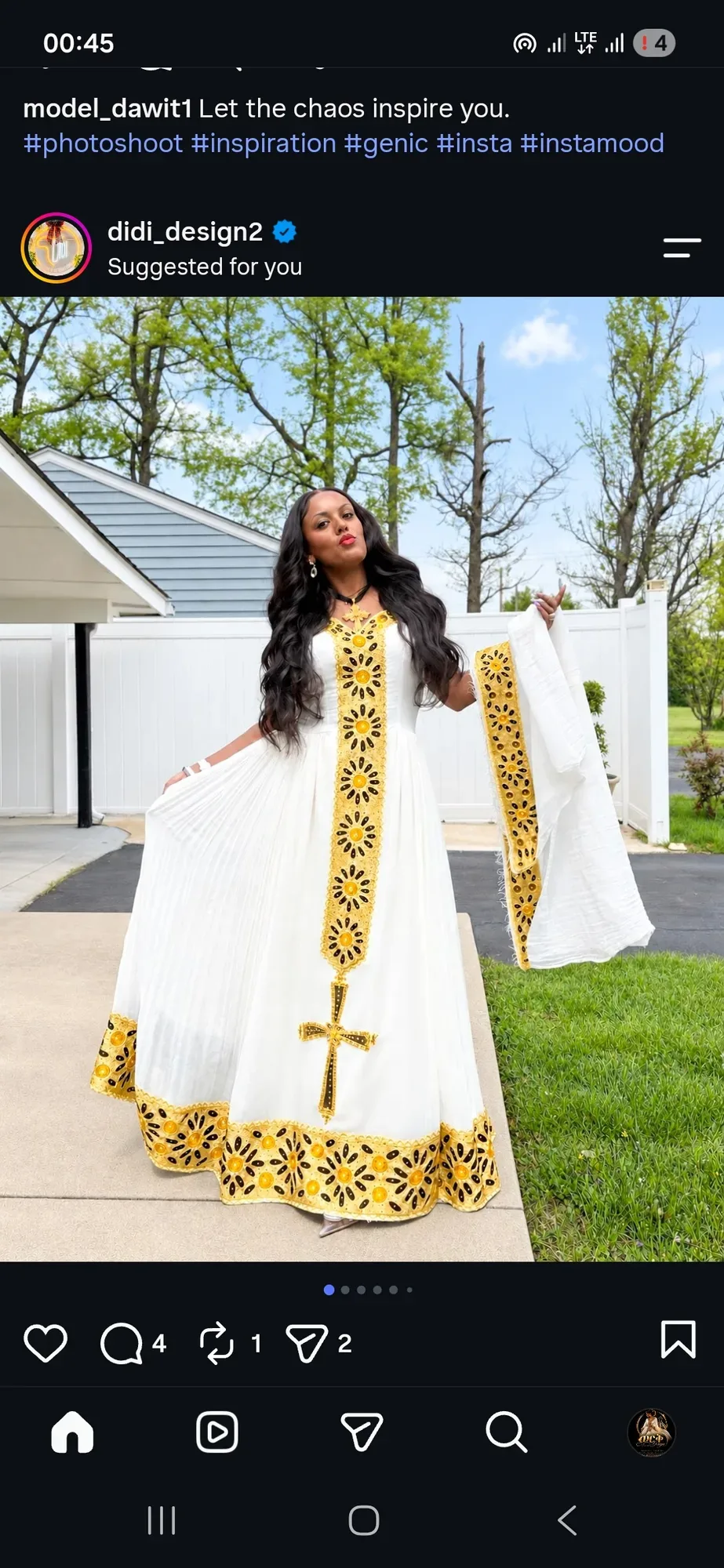
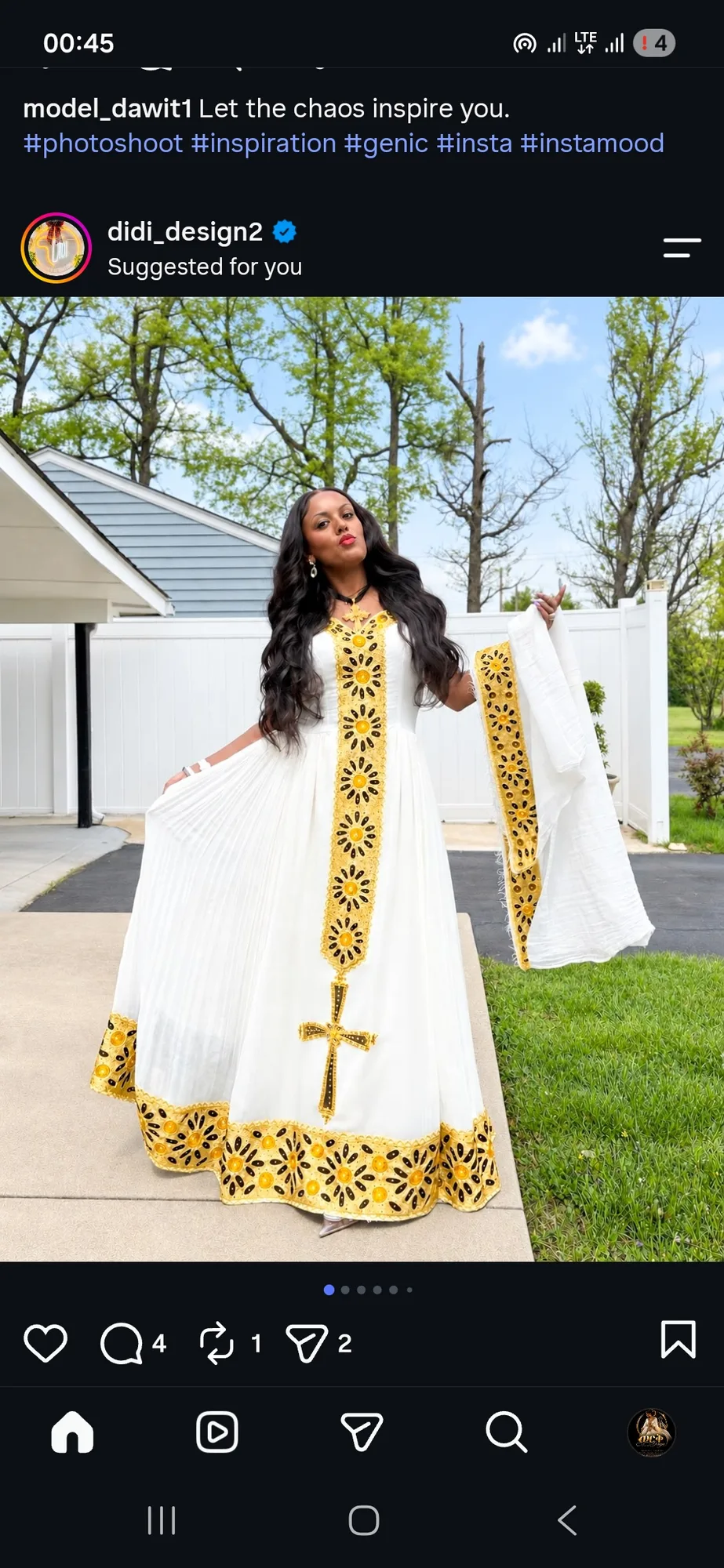
The zuria is a traditional Ethiopian dress most commonly worn by women for both festive and everyday cultural occasions. It is typically constructed from lightweight woven fabric — often cotton — and is distinguished by its elegantly embroidered borders along the hem, neckline, and sometimes the sleeves. These embroidered details are not merely decorative; they signal regional identity, occasion, and the skill of the artisan who made them.
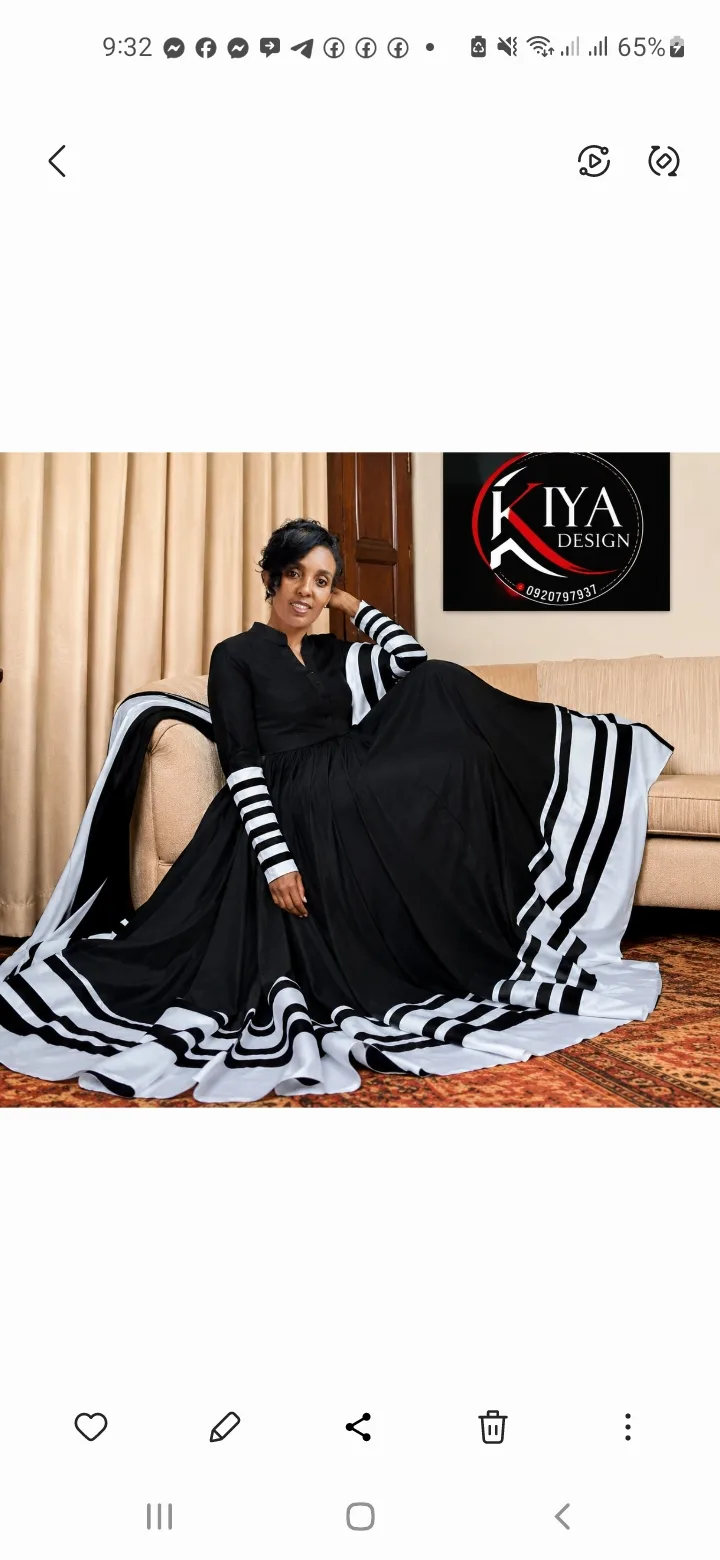
Many people outside the Ethiopian and Eritrean community use the terms zuria and habesha kemis interchangeably, but they are distinct garments. The habesha kemis is a full-length, white or off-white dress with a more structured silhouette and prominent tibeb (woven border patterns), often worn for major ceremonies. The zuria, by contrast, tends to be more versatile in length and color, with embroidery that can range from subtle to elaborate depending on the occasion and regional tradition. Understanding this distinction is the first step toward making an informed purchase when you decide to buy a zuria dress online.
Regional variation also plays a meaningful role in zuria design. A zuria from Gondar may feature different embroidery motifs and color combinations than one crafted in Bahir Dar or the Harari region. These differences are not superficial — they reflect centuries of distinct artistic traditions, and a knowledgeable seller will be able to explain the regional provenance of the garment they are offering.
The Craft Behind the Garment: Artisan Provenance and Quality Indicators
Authentic zurias are handwoven or hand-embroidered by skilled artisans, and the quality of the finished garment is inseparable from the skill and heritage of the person who made it. In Ethiopia, traditional weaving is a craft passed through families and guilds, with major centers of production in Addis Ababa, Gondar, Bahir Dar, and the Dorze region of southern Ethiopia. When you buy a zuria dress online, the provenance of the garment — where it was made, by whom, and using what techniques — is one of the most reliable indicators of its authenticity and quality.
Handwoven fabric has a texture and weight that machine-made fabric simply cannot replicate. If you run your fingers across an authentic handwoven zuria, you will feel a slight irregularity in the weave — not a flaw, but the signature of a human hand at the loom. The embroidery on a genuine zuria is similarly distinctive: stitches are dense, consistent, and applied with a precision that comes from years of practice. Photographs can sometimes reveal these details, which is why high-resolution imagery from multiple angles is a non-negotiable when evaluating any online listing.
Before purchasing, ask the seller directly: Who wove or embroidered this garment? Where was it made? What type of cotton or fabric was used? A reputable seller will answer these questions readily and with specificity. Vague answers like "made in Ethiopia" without further detail should prompt additional scrutiny. The best sellers can tell you not just the country of origin but the specific workshop, cooperative, or individual artisan responsible for the piece.
How to Buy a Zuria Dress Online: A Practical Buyer's Guide
Verifying Seller Credibility
The single most important step when choosing to buy a zuria dress online is verifying the credibility of the seller. On general marketplaces, listings for "Ethiopian traditional dress" can range from genuine handcrafted garments to polyester replicas photographed on professional models. Look for sellers who provide detailed product descriptions, artisan backstories, and clear policies on returns and sizing exchanges.
Reviews from other diaspora buyers are invaluable. Look specifically for reviews that mention the quality of the embroidery, the accuracy of sizing, and the responsiveness of the seller to questions. A seller who engages thoughtfully with customer questions before and after purchase is far more likely to be operating with integrity than one who simply processes orders without communication.
Navigating Sizing Differences
Sizing for traditional Ethiopian garments frequently differs from Western sizing charts, and this is one of the most common sources of disappointment for diaspora buyers shopping online. Traditional zurias are often cut with a looser, more flowing silhouette, but the specific measurements — particularly bust, waist, and length — can vary significantly between artisans and regions.
Before placing any order, take your own measurements carefully: bust circumference, waist circumference, hip circumference, and your preferred dress length from shoulder to hem. Send these measurements directly to the seller and ask them to confirm which size or custom option best matches your proportions. Many authentic artisan sellers offer made-to-measure options, which is one of the genuine advantages of buying from a curated platform rather than a mass-market retailer.
Reading Fabric and Embroidery Descriptions
Fabric descriptions should specify the fiber content — 100% cotton is the traditional and preferred material for most zurias, offering breathability and longevity. Blended fabrics or synthetic materials are a red flag for inauthenticity. The embroidery description should reference the specific technique used, such as cross-stitch, chain-stitch, or the traditional tibeb woven border, and should indicate whether the embroidery is machine or hand-applied.
Hand-embroidery takes significantly longer to produce than machine embroidery, and this is reflected in the price. If a listing offers what appears to be an intricately embroidered zuria at an unusually low price point, it is almost certainly machine-made. Authentic handcrafted zurias command a fair price that reflects the labor, skill, and time invested by the artisan — and paying that price is a direct act of support for Ethiopian craft traditions.
Choosing the Right Zuria for Your Occasion
The zuria is one of the most versatile garments in the Ethiopian wardrobe, appropriate for a wide range of occasions — but not all zurias are created equal in terms of occasion-appropriateness. Understanding which style, color, and embroidery level suits your specific event will help you make a more targeted and satisfying purchase.
For Enkutatash (Ethiopian New Year, celebrated on September 11th in the Gregorian calendar), bright and celebratory colors are traditional — white with vibrant embroidery borders in green, yellow, and red reflects the festive spirit of the holiday. For Timkat (Ethiopian Epiphany, celebrated in January) and Meskel (the Finding of the True Cross, celebrated in September), white or off-white zurias with gold or silver embroidery are common, reflecting the religious solemnity of these occasions.
For weddings and baptisms, the zuria can be more elaborate, with denser embroidery and higher-quality fabric. Guests often wear complementary styles to the bride or family hosting the ceremony. For graduations and formal cultural gatherings, a zuria with moderate embroidery in a color that complements the wearer's complexion is typically appropriate. When in doubt, communicate with the seller about your specific occasion — a knowledgeable artisan seller will be able to guide you toward the right choice.
Caring for Your Handwoven Zuria
A handwoven zuria is not a fast-fashion garment — it is an investment in cultural heritage that, with proper care, can last for decades. The most important rule is to hand wash your zuria in cool or lukewarm water using a mild, gentle detergent. Harsh detergents, bleach, and hot water can damage both the woven fabric and the embroidery threads, causing colors to fade and fibers to weaken.
Never wring a handwoven zuria to remove water — instead, gently press the water out and lay the garment flat to dry in a shaded area away from direct sunlight. Prolonged sun exposure can fade the vibrant colors of the embroidery, particularly reds and blues. If ironing is necessary, use a low-heat setting and iron the garment inside out, or place a thin cloth between the iron and the embroidery to protect the stitching.
For storage, fold the zuria carefully and store it in a breathable cotton bag or wrap it in acid-free tissue paper. Avoid plastic bags, which trap moisture and can cause mildew. If you plan to store the garment for an extended period — between annual celebrations, for example — check on it periodically and refold it along different lines to prevent permanent crease marks from setting into the fabric.
Why derBaba Is the Right Place to Buy Authentic Ethiopian Traditional Clothing
For diaspora shoppers in Canada, the United States, the United Kingdom, and across Europe, finding a trustworthy source to buy a zuria dress online has historically been a genuine challenge. General marketplaces offer little accountability, and the distance between buyer and seller makes it difficult to verify authenticity before committing to a purchase. This is precisely the gap that derBaba was built to close.
derBaba curates independent sellers in Addis Ababa, ensuring that every listing on the platform meets a standard of authenticity and transparency. Sellers on derBaba are vetted for their ability to describe the provenance of their garments and their commitment to fair and honest communication with buyers. This curation process means that when you browse zurias on derBaba, you are not sorting through a haystack of replicas — you are choosing from a carefully assembled collection of genuine handcrafted pieces.
Beyond curation, derBaba provides diaspora buyers with a cultural context that general marketplaces simply cannot offer. Product listings are accompanied by information about the artisan, the region of origin, the weaving or embroidery technique, and the occasion for which the garment is best suited. This depth of information transforms the online shopping experience from a transaction into a genuine connection with Ethiopian and Eritrean craft heritage.
Conclusion: Shop Your Heritage With Confidence
The decision to buy a zuria dress online is more than a fashion choice — it is an affirmation of cultural pride, a support for artisan livelihoods, and a way of keeping Ethiopian and Eritrean traditions alive across the diaspora. With the right knowledge and the right platform, you can make that purchase with complete confidence, knowing that what arrives at your door is the genuine article: a garment crafted with skill, worn with meaning, and worthy of your heritage.
Take your measurements carefully, ask your seller the right questions, choose the embroidery and color that suits your occasion, and care for your zuria as the heirloom it is. The traditions woven into every thread of an authentic zuria have survived for generations — and with informed, intentional buyers supporting the artisans who make them, they will continue to thrive for generations to come.
Shop authentic habesha kemis and Ethiopian & Eritrean traditional clothing on derBaba — where every garment comes with the story, the craft, and the cultural integrity your heritage deserves.