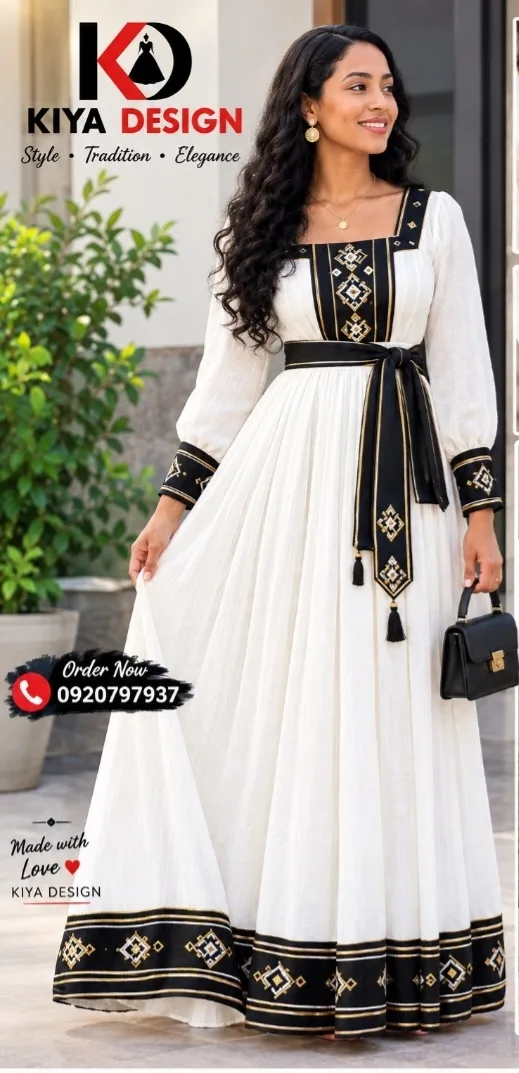
We Surveyed 146 Habesha Kemis Shops in Addis Ababa. Here's What They Charge, How Long They Take, and What They Make.
Original field data from 146 Addis Ababa shops: what a habesha kemis really costs, how long it takes to make, what it's made of, and how the trade sells today.
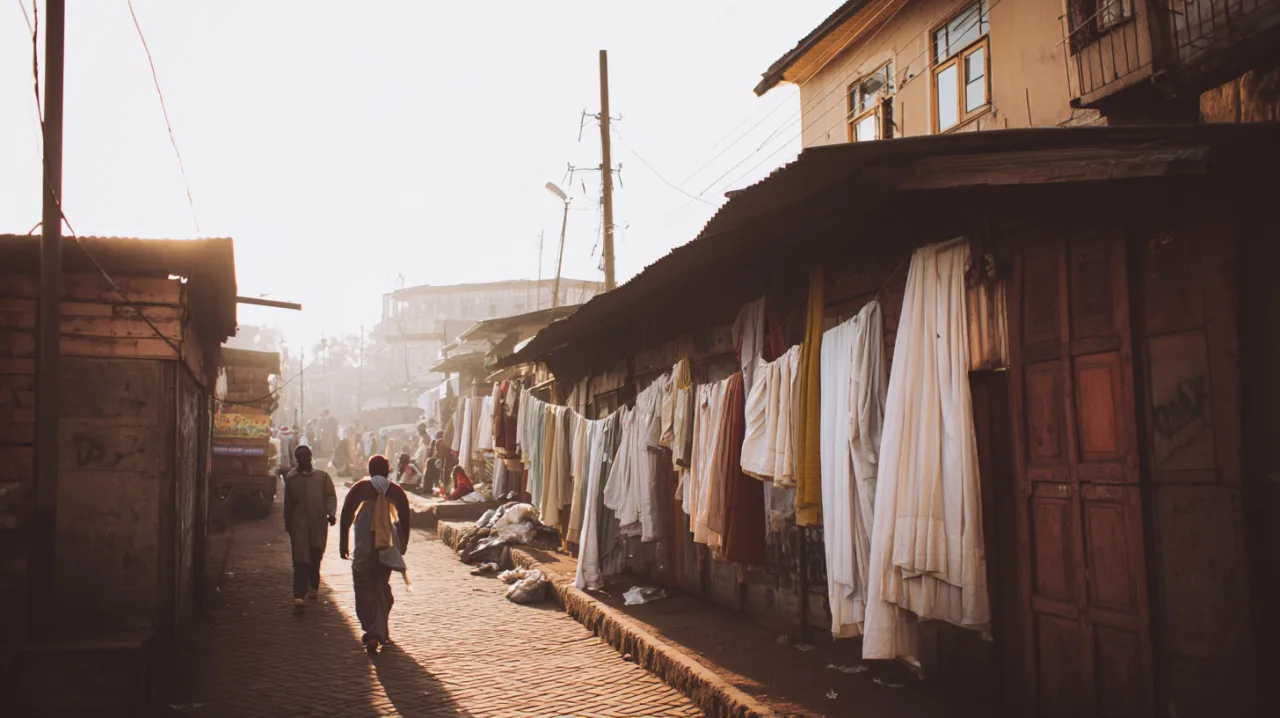
Between June and July 2026, a field team visited 146 traditional clothing shops across Addis Ababa and recorded what they sell, what they charge, how long they take to make a garment, and how they reach customers. This article publishes what we found.
The short version: the median habesha kemis costs 25,000 ETB (about $155) and takes 15 days to make. Prices run from 4,500 to 120,000 ETB. Roughly three-quarters of shops describe their fabric as Menen, and four in five sell through TikTok.
To our knowledge no comparable figures have been published before. We're releasing them because diaspora buyers currently have no way to tell whether a price they've been quoted is normal.
How the survey was done
A contracted field team visited each shop in person in Addis Ababa between 9 June and 18 July 2026, recorded responses from the owner or a representative, photographed garments, and obtained written consent to list the business. Every figure below is self-reported by the shopkeeper.
What this is not: a random sample. Shops were recruited on the ground, concentrated in two sub-cities — Gullele (70 shops) and Bole (68), with the remainder in Lemi Kura, Yeka and Shiro Meda. It reflects the Addis market as it was in mid-2026, not Ethiopia as a whole, and prices in birr will move as the currency does. Four records were withheld for data-quality reasons and are excluded throughout.
What a habesha kemis costs
The median price is 25,000 ETB, roughly $155 at 161 ETB to the dollar. Half of all shops price between 15,000 and 35,000 ETB ($93–$217).
| Percentile | Price (ETB) | Approx. USD |
|---|---|---|
| Lowest | 4,500 | $28 |
| 25th | 15,000 | $93 |
| Median | 25,000 | $155 |
| 75th | 35,000 | $217 |
| 90th | 50,000 | $311 |
| Highest | 120,000 | $745 |
The spread is wide because "habesha kemis" covers everything from a simple cotton dress to a hand-woven bridal piece with dense tibeb work. Above roughly 50,000 ETB you are generally paying for hand-weaving and the labour hours in the embroidery, not for a brand.
Most prices are negotiable. 94 of 146 shops said they negotiate; 52 quote a firm price. This is normal in the Addis market, and diaspora buyers used to fixed-price retail often don't realise it.
How long a habesha kemis takes to make
The median is 15 days. The mean is 18, pulled up by a handful of shops quoting 60 to 90 days for elaborate bridal work.
- 35 shops: 7 days or fewer
- 22 shops: 8 to 14 days
- 85 shops: 15 to 30 days
- 4 shops: more than 30 days
Production time is only part of the wait. International shipping from Addis adds further time that varies by carrier and destination, and shops quote it individually — so if you're buying for a dated event, ask the seller for a realistic estimate to your city and work backwards from there. For a September Enkutatash or Meskel celebration, ordering by mid-August is the practical deadline for most shops. (Our Enkutatash guide walks through the timing.)
What the garments are made of
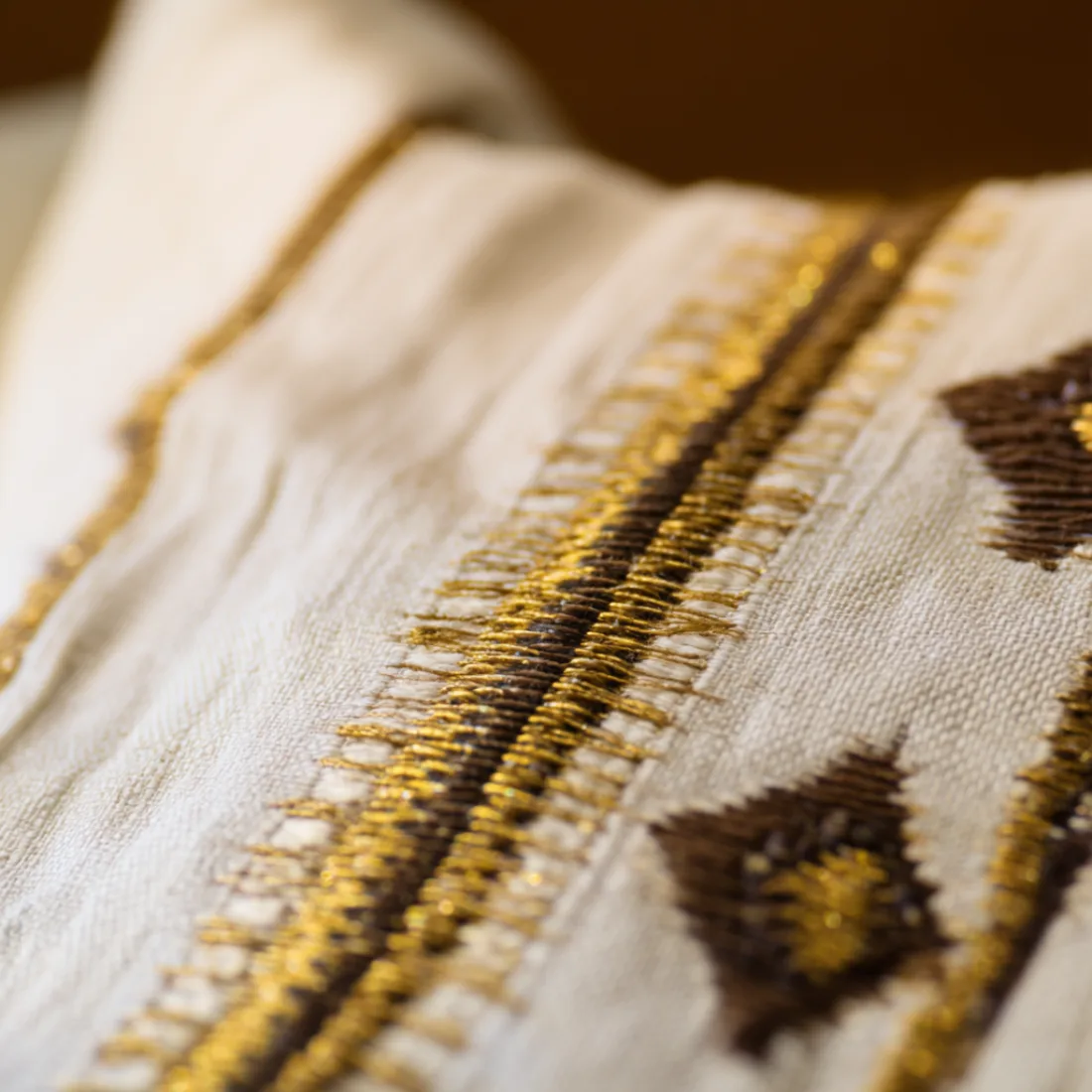
106 of 146 shops — 73% — describe their fabric as Menen. Cotton appears in 36 descriptions and chiffon in a handful.
Menen is the fine cotton weave most habesha kemis are made from. The name is used loosely in the market to cover a range of weights and qualities, which is part of why price varies so much at similar-sounding descriptions. If fabric quality matters to you, ask the seller specifically about weight and whether the weaving is by hand or machine — the two produce visibly different tibeb borders.
Made to order, or in stock
76 of the 146 shops make each kemis to order; the other 70 keep finished pieces in stock. Made-to-measure is the backbone of the trade — the biggest structural difference between buying from an Addis shop and buying Ethiopian clothing through a general marketplace.
The practical consequence for diaspora buyers: much of the time you're commissioning a garment, not selecting one. Measurements matter more than size labels, and the lead times above are production time, not dispatch time. Our size guide covers the measurements that matter most.
How these shops sell today
121 of 146 shops — 83% — already have a social media storefront. TikTok dominates:
| Channel | Shops |
|---|---|
| TikTok | 117 |
| 65 | |
| 32 | |
| YouTube | 20 |
These are not businesses waiting to be brought online — they are already online, selling through short video, negotiating in direct messages, and arranging payment and shipping conversation by conversation. What they lack is a persistent storefront a diaspora buyer can find in a search engine rather than by chance in a feed.
Languages spoken: Amharic (145 shops), English (141), Tigrinya (35), Oromo (9), Arabic (6), Gamo (4), Gurage and Somali (1 each). Nearly every shop can serve an English-speaking buyer directly.
Who the sellers are
Median time in business: 5 years. The range runs from 1 to 30.
- 26 shops trading 2 years or less
- 57 shops between 3 and 5 years
- 41 shops between 6 and 10 years
- 22 shops more than 10 years
This is a mature trade, not a new one. A quarter of these businesses have been operating for a decade or more, and a majority for at least three years.
What this means if you're buying from abroad
Judge a quote against the median. 25,000 ETB is the middle of this market. Substantially below 15,000 usually means simpler fabric or machine embroidery; above 50,000 usually means hand-weaving and dense tibeb work. Neither is wrong — but you should know which you're buying.
Ask about measurements before price. Getting length, shoulder width and sleeve length right matters more than anything else, and those are the measurements where mistakes are least forgiving.
Build in the lead time. Median production is 15 days before shipping. For a dated occasion, that means ordering weeks earlier than a diaspora buyer used to next-day delivery would expect.
Expect to negotiate. Nearly two-thirds of shops do.
You can browse the shops in this survey directly — each carries its own contact details and you deal with the seller over WhatsApp.
About this data and Derbaba
Derbaba is an online directory connecting Ethiopian traditional clothing sellers in Addis Ababa with buyers in Canada, the United States, the United Kingdom and Europe. It launched in July 2026 with 146 shops — the same shops surveyed here.
Derbaba does not process payments or handle shipping. Each shop's page carries its own contact details, and buyers deal with the seller directly over WhatsApp. Every seller in the directory was visited in person and signed a consent form authorising their listing. The figures in this article are published in aggregate; no individual shop's pricing, contact details or business records are identified.
Corrections and questions: hello@derbaba.com
Survey conducted June–July 2026. Currency conversions at 161 ETB to 1 USD (29 July 2026); the birr has depreciated significantly over the past year, so dollar equivalents will drift.